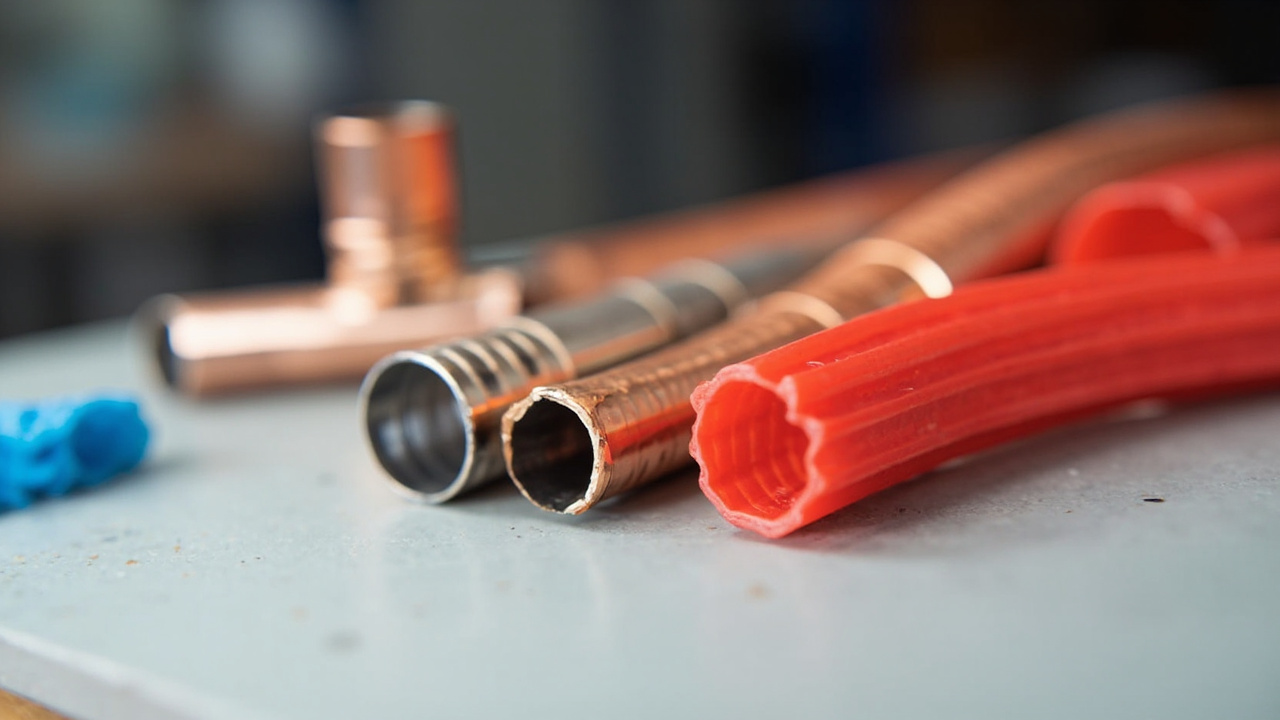
menu

PEX vs. Copper Piping Guide in Hartford – Make the Right Choice for Your Home's Plumbing System

Compare cross-linked polyethylene and copper tubing systems side-by-side to understand which material delivers better performance, longevity, and value for Hartford's unique water conditions and climate demands.

Slider Image 1
Slider Image 2
Slider Image 3
Slider Image 4
Slider Image 5
Slider Image 7
Slider Image 8
Slider Image 9
Slider Image 10
Slider Image 11

Why Your Piping Material Choice Matters in Hartford

The difference between PEX and copper pipes extends far beyond initial installation costs. Hartford's water chemistry and seasonal temperature swings create specific demands that affect how piping materials perform over decades of service.

Hartford's municipal water supply contains moderate mineral content that interacts differently with copper tubing versus cross-linked polyethylene. Copper pipes can develop pinhole leaks over time as minerals in the water create galvanic corrosion, particularly in homes built between 1940 and 1980 where aging copper shows vulnerability. PEX piping resists this corrosion entirely because it contains no metal components.

The freeze-thaw cycle presents another critical consideration. Hartford temperatures drop below freezing an average of 120 nights per year. Copper pipes burst when water inside expands during hard freezes, forcing emergency repairs that flood basements and destroy ceilings. PEX expands up to three times its diameter without rupturing, then contracts back to original size when temperatures rise.

The copper vs PEX plumbing pros and cons become clear when you examine Hartford's older housing stock. Victorian and Colonial homes in neighborhoods like West End and Asylum Hill contain complex plumbing runs through exterior walls and unheated spaces. PEX piping vs copper plumbing installations differ dramatically in these scenarios. PEX requires fewer joints because it bends around corners without fittings, reducing leak points by up to 80 percent compared to rigid copper that needs an elbow fitting at every directional change.

Water pressure varies throughout Hartford's distribution system, ranging from 45 to 85 PSI depending on elevation and distance from pumping stations. This variation affects piping material performance and longevity in ways most homeowners never consider until problems emerge.

Why Your Piping Material Choice Matters in Hartford
How Each Piping Material Performs in Real-World Conditions

How Each Piping Material Performs in Real-World Conditions

The PEX vs copper comparison requires examining five critical performance factors that determine long-term reliability and total cost of ownership.

**Thermal expansion characteristics** separate these materials significantly. Copper expands and contracts at a rate of 0.0000098 inches per inch per degree Fahrenheit. This expansion creates stress at joints and fittings, eventually causing pinhole leaks at solder points. PEX expands at nearly twice this rate but accommodates movement through flexibility rather than creating stress concentrations.

**Chemical resistance** determines lifespan in Hartford's water conditions. Copper reacts with chlorine, chloramines, and dissolved oxygen in municipal water. This reaction accelerates in homes with recirculation systems that keep hot water constantly moving through pipes. PEX remains chemically inert to these compounds, maintaining structural integrity regardless of water treatment methods.

**Installation flexibility** affects both initial costs and future repair accessibility. Copper requires precise measurements, cutting, deburring, flux application, and torch soldering at every joint. A typical bathroom renovation involves 40 to 60 joints, each representing a potential leak point. PEX uses crimped or expansion fittings that create watertight seals in seconds without open flames or specialized soldering skills.

**Thermal conductivity** impacts energy efficiency measurably. Copper conducts heat 8,000 times more effectively than PEX, meaning hot water loses temperature rapidly as it travels through copper pipes. This heat loss costs Hartford homeowners an estimated 15 to 25 percent more in water heating expenses annually. PEX acts as its own insulation, maintaining water temperature from heater to fixture.

**Acoustic performance** matters in multi-story homes common throughout Hartford's residential areas. Water hammer and flow noise transmit through rigid copper pipes, creating audible rushing sounds in living spaces. PEX dampens these vibrations, reducing water noise by approximately 40 decibels compared to copper installations.

Evaluating Which Piping Material Fits Your Specific Situation

PEX vs. Copper Piping Guide in Hartford – Make the Right Choice for Your Home's Plumbing System
01

Assess Current System

We examine your existing plumbing configuration, water pressure, and pipe accessibility to determine retrofit feasibility. This assessment includes testing water chemistry for pH levels, total dissolved solids, and chlorine concentration. Hartford's water typically measures 7.2 to 7.8 pH, which affects material selection. We photograph pipe routing through walls, floors, and ceiling cavities to identify challenging runs where flexibility provides advantages over rigid piping.
02

Compare Material Specifications

We calculate the cross-linked polyethylene vs copper tubing costs for your specific project scope, including material, labor, and fixture connection requirements. This comparison accounts for Hartford code requirements under the 2015 International Plumbing Code adopted by the city. We explain burst pressure ratings, temperature tolerances, and expected service life based on your water conditions. PEX-A, PEX-B, and PEX-C variants each offer different expansion properties and installation methods.
03

Recommend Optimal Solution

Based on data collected during assessment, we provide a detailed recommendation explaining which material delivers better performance for your situation. This recommendation considers your budget, timeline, home age, existing pipe condition, and long-term maintenance preferences. We explain scenarios where copper remains preferable, such as exposed decorative piping, and situations where PEX provides superior value and reliability for Hartford homeowners.

Why Hartford Homeowners Trust Five Star Plumbing Hartford for Piping Decisions

Choosing between piping materials requires understanding Hartford's specific building characteristics and municipal codes. We work daily in the West End, Downtown, South End, and surrounding neighborhoods where home construction spans 150 years of plumbing evolution.

Hartford enforces the 2015 International Plumbing Code with local amendments that affect piping material approvals and installation methods. Not every plumber maintains current knowledge of these code nuances. We maintain active relationships with Hartford's Building Department and stay updated on inspection requirements that prevent failed inspections and project delays.

Our experience with Hartford's housing stock provides insight into common piping problems specific to different construction eras. Homes built before 1960 often contain galvanized steel supply lines that create compatibility challenges when connecting modern materials. We know which transition fittings meet code and prevent galvanic corrosion between dissimilar metals.

The water pressure variations throughout Hartford's distribution zones affect piping material performance and sizing calculations. Homes in the elevated Asylum Hill neighborhood experience different pressure profiles than properties near the Connecticut River. We account for these variations when specifying pipe diameter and pressure ratings.

Hartford's climate creates unique challenges during installation. Winter projects require maintaining minimum temperatures for PEX expansion fittings to seal properly. Summer heat affects copper soldering techniques as ambient temperatures approach torch temperatures. We adjust installation procedures seasonally to ensure every joint meets manufacturer specifications regardless of weather conditions.

Five Star Plumbing Hartford maintains relationships with multiple material suppliers, giving us access to commercial-grade PEX and copper products not available at retail stores. This access means better materials, better pricing, and better performance for your investment.

What to Expect During Your Piping Material Consultation

Consultation Timeline and Availability

Schedule a consultation within 24 to 48 hours of your initial contact. The assessment takes 45 to 90 minutes depending on home size and plumbing complexity. We provide written material comparisons within two business days, including projected costs, installation timelines, and performance expectations for both copper and PEX options. Same-day consultations are available for active leak situations or time-sensitive renovation projects. We work around your schedule, including evening and weekend appointments for homeowners who cannot accommodate weekday visits.

Comprehensive System Evaluation Process

We perform a complete plumbing assessment that includes water pressure testing at multiple fixtures, visual inspection of accessible piping, water quality analysis, and evaluation of your water heater capacity and condition. This evaluation identifies existing problems that affect material selection, such as corrosion patterns, improper venting, or inadequate pipe sizing. We photograph conditions, measure pipe runs, and document fixture locations to create accurate material estimates. You receive a detailed report explaining findings in clear language without technical jargon that obscures understanding.

Detailed Written Recommendations

Your consultation results in a comprehensive written recommendation comparing PEX and copper options for your specific situation. This document explains material costs, labor requirements, installation timeline, permit requirements, and projected performance differences based on Hartford's water conditions and your home's characteristics. We include photographs showing proposed pipe routing, connection methods, and fixture transitions. The recommendation identifies scenarios where one material significantly outperforms the other, helping you make an informed decision based on facts rather than industry bias or sales pressure.

Post-Installation Support and System Monitoring

After installation, we provide guidance on system operation, maintenance requirements, and warning signs that indicate potential problems. PEX systems require virtually no maintenance but benefit from annual visual inspections where pipes remain accessible. Copper systems may develop pinhole leaks over time, so we explain what to monitor and when to call for assessment. We maintain detailed installation records including pipe routing diagrams, material specifications, and pressure test results. These records prove invaluable during future renovations or if you sell your home and buyers request plumbing system documentation.

Frequently Asked Questions

You Have Questions,
We Have Answers

Do plumbers prefer PEX or copper? +

Most plumbers now prefer PEX for residential repiping jobs because it installs faster and costs less. PEX is flexible, so you can snake it through walls without cutting as many access holes. It does not corrode like copper and handles Hartford's freeze-thaw cycles better since it can expand slightly when water freezes. That said, many plumbers still use copper for exposed piping, water heater connections, and jobs where durability and tradition matter. The choice often depends on the specific application, budget, and local code requirements in Hartford.

Why don't insurance companies like PEX plumbing? +

Some insurance companies flag PEX because early versions had quality control issues and higher failure rates. Older PEX types experienced fitting failures and leaks, which led to water damage claims. Today's PEX-A and PEX-B products meet strict ASTM standards and perform reliably. However, insurers move slowly to update policies. If you are repiping a home in Hartford, check with your carrier first. Most now accept PEX if installed by a licensed plumber and documented properly. Get proof of installation to avoid coverage issues down the road.

What are the downsides of PEX pipe? +

PEX cannot be used outdoors because UV light degrades the material quickly. It also cannot handle direct exposure to sunlight, even indoors near windows. PEX is not approved for outdoor hose bibs in Hartford's climate. Rodents can chew through PEX more easily than copper, though this is rare inside finished walls. Some early PEX formulations leached chemicals into water, but modern versions meet NSF 61 drinking water standards. Finally, PEX requires special crimping or expansion tools, so DIY repairs are harder without the right equipment.

What is the best pipe for a residential water line? +

The best pipe depends on your budget, home age, and water quality. For most Hartford residential water lines, PEX-A is the top choice because it handles freezing conditions, installs quickly, and resists corrosion from acidic water. Copper remains excellent for exposed piping and areas requiring fire resistance. Avoid galvanized steel because Hartford's water chemistry accelerates rust. CPVC is cheaper than PEX but becomes brittle in cold Connecticut basements. If you have hard water or chlorine concerns, consult a local plumber to test your water before choosing your piping material.

What is the life expectancy of PEX pipes vs copper pipes? +

Copper pipes last 50 to 70 years in most conditions, with some installations exceeding 80 years. PEX is newer, so long-term data is limited, but manufacturers estimate a 40 to 50-year lifespan under normal conditions. Hartford's water chemistry and freeze-thaw cycles can shorten copper's life if pinhole leaks develop. PEX does not corrode, so its lifespan depends mainly on installation quality and UV exposure. Both materials meet code and perform well when installed correctly. Copper has a longer track record, but PEX shows strong performance in its 30-plus years on the market.

Do bacteria grow in PEX pipe? +

Bacteria do not grow inside PEX pipe under normal conditions. PEX is non-porous and does not provide nutrients for biofilm formation. However, if water sits stagnant for long periods in any pipe material, bacteria can develop. This is not a PEX-specific issue. Hartford municipal water contains chlorine, which prevents bacterial growth in distribution lines. If you have well water or low chlorine levels, bacteria can appear in any piping system. Regular water flow and proper disinfection prevent bacterial issues regardless of pipe material. PEX meets all NSF drinking water safety standards.

Where is PEX banned in the US? +

PEX is not banned statewide anywhere in the US. However, some local jurisdictions restrict or prohibit PEX use. California allowed PEX statewide only in 2010 after years of debate. New York City banned PEX until recently, but now permits it under certain conditions. A few municipalities in the Northeast and West Coast still restrict PEX due to outdated plumbing codes. Hartford and Connecticut allow PEX for residential water supply lines, provided it meets ASTM standards and a licensed plumber installs it. Always check local code before starting a repiping project.

Why do plumbers not like PEX? +

Some older plumbers distrust PEX because they trained on copper and prefer traditional methods. Early PEX fittings had failure issues, which created a bad reputation. Plumbers who specialize in repairs dislike that PEX requires specialized tools for crimping or expansion connections. Copper can be soldered with basic equipment. However, most modern plumbers embrace PEX for residential jobs because it saves labor time and reduces callbacks for freeze damage. In Hartford, where winter pipe bursts are common, PEX's flexibility is a major advantage. Resistance to PEX is mostly generational, not technical.

Do professional plumbers use PEX? +

Yes, professional plumbers widely use PEX for residential water supply lines, especially in remodels and new construction. PEX dominates the residential market because it installs faster, costs less, and performs well in Hartford's freeze-thaw climate. Licensed plumbers use PEX-A or PEX-B with proper expansion or crimp fittings to meet code. They still use copper for gas lines, exposed piping, and commercial projects where code requires it. The key is matching the material to the application. A qualified plumber knows when to use PEX and when copper is the better choice.

Why is PEX banned in NYC? +

New York City banned PEX for decades due to concerns about chemical leaching and fire safety. The city's plumbing code is conservative and slow to adopt new materials. NYC finally approved PEX in 2021 under strict conditions, requiring specific product certifications and installation methods. The ban was not based on performance failures but on a cautious regulatory approach. Hartford and Connecticut never banned PEX. If you are repiping a home in Hartford, PEX is fully approved and widely used. The NYC ban reflected local politics and old codes, not a fundamental flaw in PEX technology.

How Hartford's Water Quality Affects Your Piping Material Decision

Hartford's municipal water supply originates from the Metropolitan District Commission reservoir system, drawing from the Barkhamsted and Nepaug reservoirs in the Farmington River watershed. This source water contains moderate mineral content with total dissolved solids measuring 80 to 120 parts per million. The water treatment process adds chloramine for disinfection, a compound that accelerates copper corrosion more aggressively than chlorine alone. Homes in older neighborhoods like Barry Square and Behind the Rocks show higher rates of copper pipe failure after 25 to 30 years of service, particularly in hot water lines where elevated temperatures intensify the corrosive reaction. PEX piping eliminates this concern entirely because it contains no reactive metals.

Hartford Building Department requires licensed plumbers to pull permits for all piping replacements affecting more than two fixtures. Inspectors verify installations meet International Plumbing Code standards, including proper pipe support spacing, pressure testing procedures, and approved connection methods between dissimilar materials. We maintain established relationships with Hartford's inspection staff, ensuring projects pass inspection on the first attempt without delays or correction notices. Our familiarity with local code interpretations specific to Hartford prevents common mistakes that cause failed inspections, particularly regarding proper PEX pipe support intervals and required expansion loop installations for long horizontal runs exceeding 100 feet.

Plumbing Services in The Hartford Area

We are proud to serve the entire Hartford metropolitan area and surrounding communities. Use the interactive map below to view our main service radius, or contact us directly if you are just outside the highlighted zone—we often make exceptions for clients in need. We look forward to bringing our five-star plumbing service directly to your location.

Address:
Five Star Plumbing Hartford, 100 Pearl St, Hartford, CT, 06103

Additional Services We Offer

Our news updates

Latest Articles & News from The Blogs

Protecting Your Backyard Pool Plumbing During a Brutal Hartford Winter The first hard freeze in Hartford typically hits by mid-October,…

Protecting Your Backyard Pool Plumbing During a Brutal Hartford Winter

Protecting Your Backyard Pool Plumbing During a Brutal Hartford Winter The first hard freeze in Hartford typically hits by mid-October,…

Is Upgrading to a Dual-Flush Toilet Worth It for Your Hartford Home?

Is Upgrading to a Dual-Flush Toilet Worth It for Your Hartford Home? Dual-flush toilets offer two flushing options: a half…

Fixing a Sticky Kitchen Sink Sprayer Without Calling for a Full Repair

Fixing a Sticky Kitchen Sink Sprayer Without Calling for a Full Repair Your kitchen sink sprayer sticks, sprays erratically, or…

Contact Us

Stop guessing about which piping material fits your Hartford home. Call Five Star Plumbing Hartford at (860) 743-9699 for a comprehensive consultation that compares PEX and copper options based on your specific water conditions, budget, and long-term goals.