menu

Gas Line Repair & Installation in Hartford – Complete Residential & Commercial Natural Gas Solutions

Five Star Plumbing Hartford delivers code-compliant gas line repair, gas piping installation, and gas leak repair for homes and businesses across Hartford, backed by licensed gas line plumbers who handle everything from single-appliance hookups to full building gas systems.

Slider Image 1
Slider Image 2
Slider Image 3
Slider Image 4
Slider Image 5
Slider Image 7
Slider Image 8
Slider Image 9
Slider Image 10
Slider Image 11

Why Hartford Properties Need Professional Gas Line Services

Hartford's aging housing stock creates unique challenges for natural gas infrastructure. Many properties in the West End, Asylum Hill, and South Green neighborhoods were built before 1950, when black iron pipe was standard for gas distribution. These older systems corrode from the inside out, especially in Hartford's damp climate where basement condensation accelerates rust formation. You might notice the sulfur smell of mercaptan near your water heater or furnace, hear a hissing sound near gas appliances, or see dead vegetation in a line across your yard where underground gas piping runs.

Commercial properties face different pressures. Restaurants in downtown Hartford depend on high-capacity gas lines for kitchen equipment. A single corroded fitting can shut down your entire operation until you pass a Connecticut Department of Energy and Environmental Protection inspection. Manufacturing facilities near the Connecticut River need redundant gas systems that meet industrial flow rates without pressure drops that affect production equipment.

Gas line replacement is not optional when you have a leak. Natural gas is lighter than air and accumulates in upper floors and attic spaces. It only takes a 5 percent concentration to create an explosive atmosphere. Gas pipe repair might work for small fitting leaks, but corroded pipe sections need full replacement. Gas piping installation for new appliances requires proper sizing calculations. A gas line that is too small starves your equipment. A line that is too large wastes money and creates code violations.

Hartford's switch from manufactured gas to natural gas in the 1950s left some properties with mixed infrastructure. Gas line plumbers need to identify these transitional systems before starting any work.

Why Hartford Properties Need Professional Gas Line Services
How We Handle Gas Line Repair and Installation

How We Handle Gas Line Repair and Installation

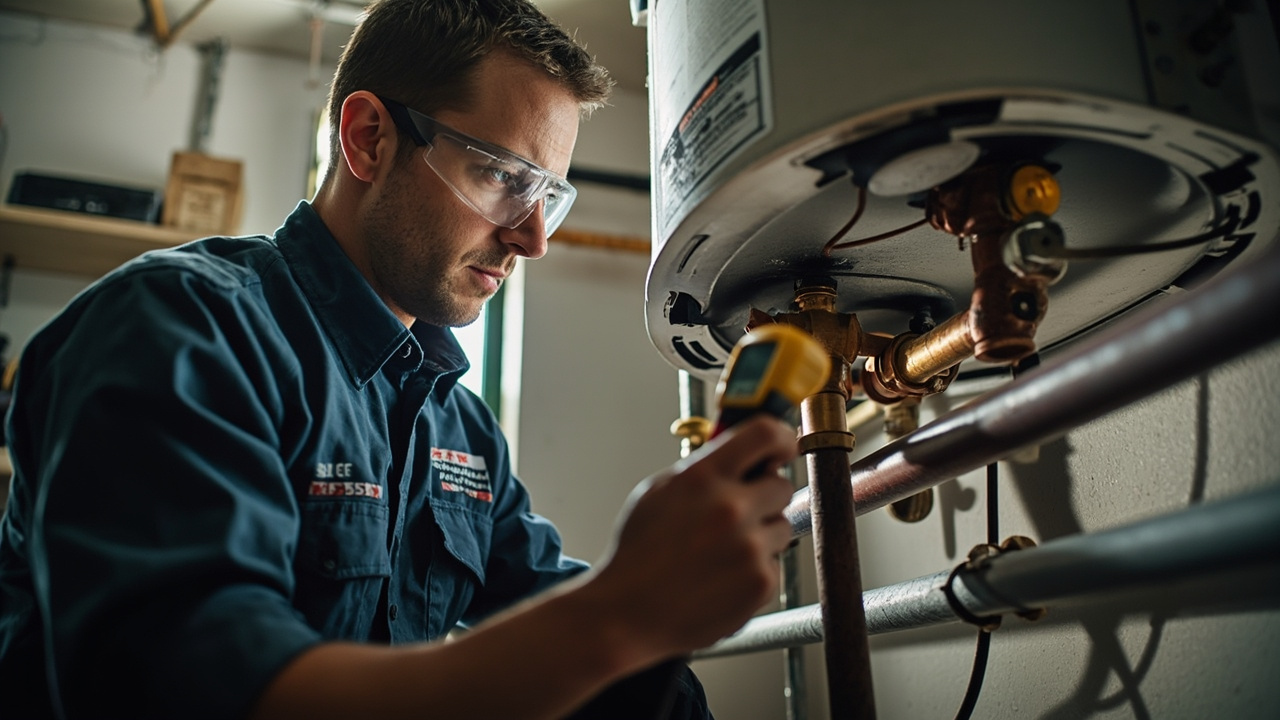
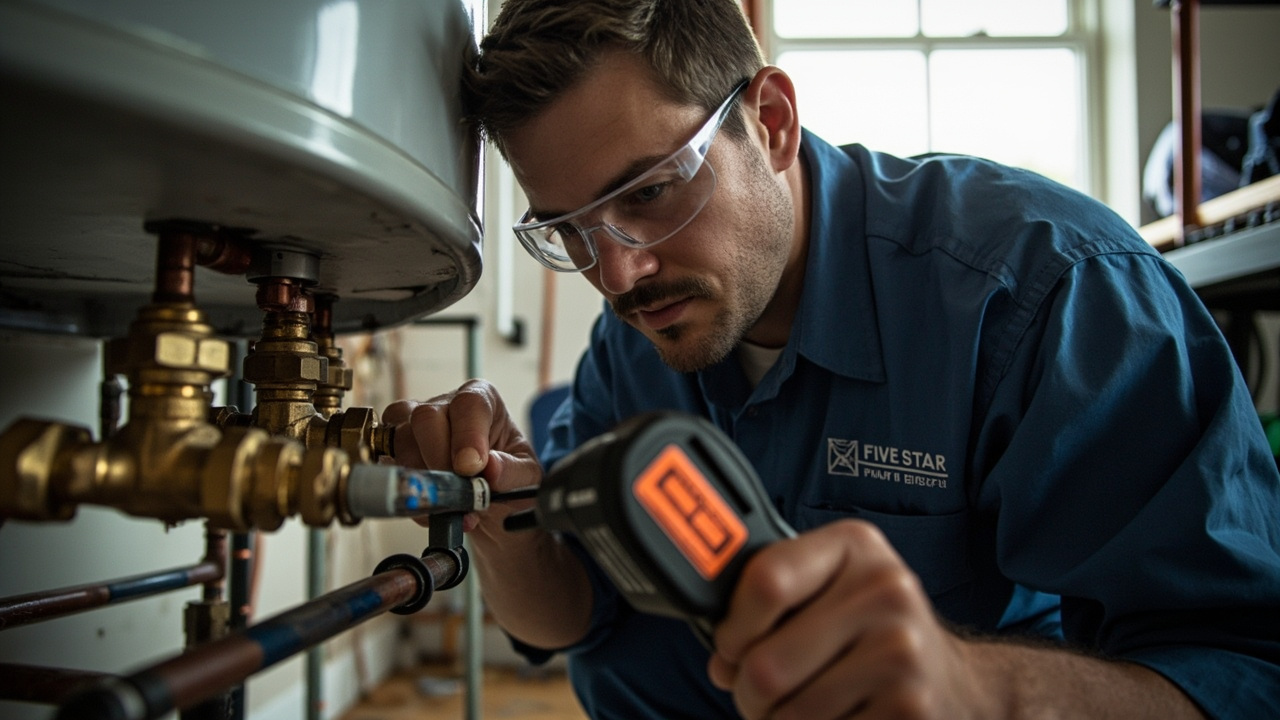
We start every gas line project with pressure testing. A drop test using a manometer shows whether your system holds 15 psi for 15 minutes, the Connecticut standard for residential gas systems. If pressure drops, we use electronic gas detectors calibrated to 10 ppm sensitivity to locate the exact leak source. We do not guess. We find the problem before we cut into walls or dig up your yard.

For gas pipe repair, we assess whether the leak is at a fitting or in the pipe body itself. Fitting leaks get new connectors with proper pipe dope rated for natural gas. Corroded pipe sections get cut out and replaced with new black iron or CSST (corrugated stainless steel tubing), depending on the application. We never patch corroded pipe. It fails again within months.

Gas piping installation follows load calculations. We measure the BTU demand of every appliance on the system, calculate the longest run distance, and size pipe diameter to maintain proper pressure at the furthest appliance. A typical Hartford home with a furnace, water heater, range, and dryer needs 3/4-inch supply with 1/2-inch branches. Undersized pipe causes yellow flames, sooting, and incomplete combustion that produces carbon monoxide.

We install earthquake valves on water heater connections and excess flow valves on branch lines serving single appliances. These automatic shutoffs stop gas flow if a line ruptures. Connecticut does not require them, but they prevent catastrophic leaks.

For gas line replacement projects, we document the entire system with digital photos before and after. You need this documentation for insurance claims and future property sales. We also provide a detailed materials list showing pipe grades, fitting types, and valve specifications. This proves code compliance if you ever face a municipal inspection or insurance audit.

What Happens During Your Gas Line Service

Gas Line Repair & Installation in Hartford – Complete Residential & Commercial Natural Gas Solutions
01

System Assessment and Testing

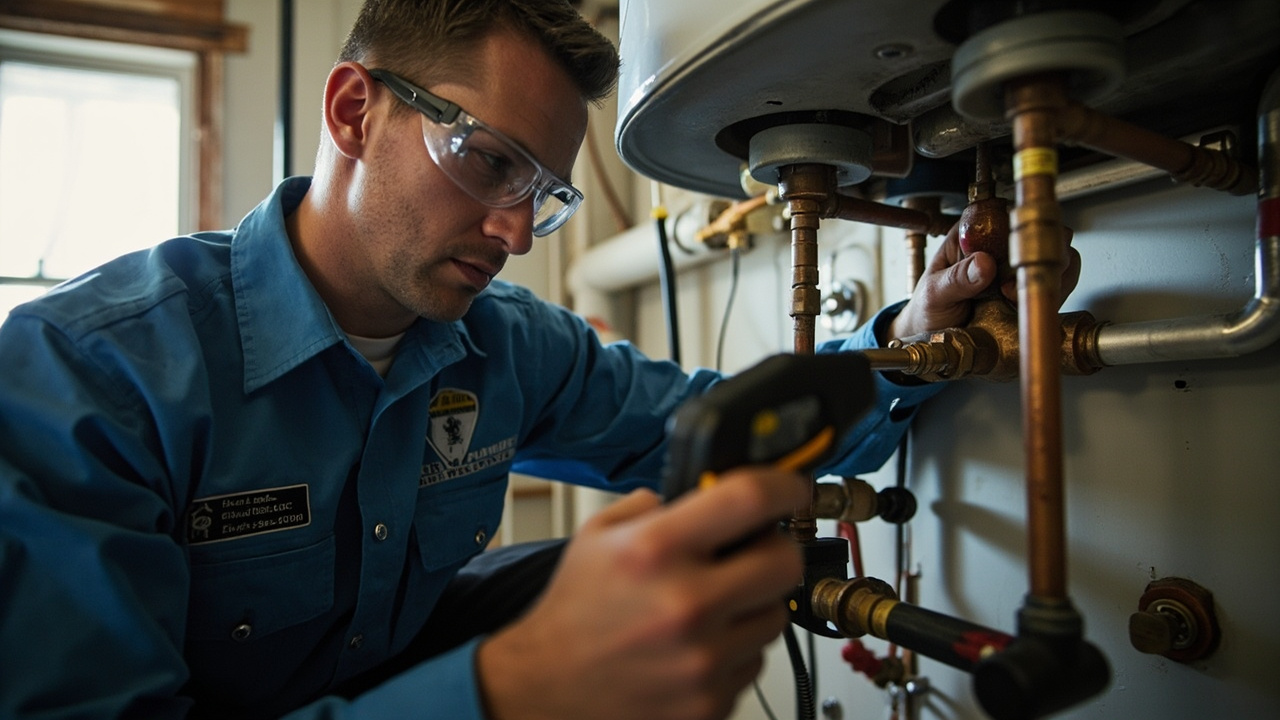
We shut off your gas at the meter and perform a complete visual inspection of accessible piping. Electronic detection scans identify active leaks. We test system pressure, check appliance connections, and review your gas usage history to spot abnormal consumption patterns that indicate hidden leaks. You receive a written assessment before any repair work begins, with photos of problem areas and code violations.
02

Repair or Installation Work

We isolate the work area and ventilate spaces where we will cut or weld pipe. All gas piping installation uses proper joint compound or yellow CSST connectors rated for natural gas. We install shutoff valves at each appliance branch for safety and future service access. Black iron pipe gets primer and two coats of rust-inhibiting paint in exposed areas. Underground lines get wrapped in corrosion-resistant tape before backfilling.
03

Testing and Final Inspection

We pressure test the entire system at 15 psi for 15 minutes minimum, then soap test every connection while under pressure. We purge air from new lines using the proper sequence to prevent gas pockets. We light pilot lights, check burner flames for proper blue color, and verify appliance operation. You receive documentation showing test results, materials used, and compliance with Connecticut fuel gas code Chapter 5.

Why Hartford Property Owners Choose Five Star Plumbing Hartford

We hold Connecticut S-1 plumbing licenses that include fuel gas piping endorsements. Many plumbers can work on water lines but lack the specific training and licensing to touch gas systems. Gas line work requires understanding gas properties, pressure dynamics, and combustion safety that water plumbers never learn. We complete ongoing education in fuel gas code updates and new materials like PE (polyethylene) pipe for underground installations.

Hartford's municipal code enforcement is strict about gas work. The city requires permits for any gas line repair beyond simple appliance connector replacement. We pull permits, schedule inspections, and handle the paperwork. If you hire an unlicensed contractor, you face stop-work orders and expensive remediation when you try to sell your property or file an insurance claim after a gas-related incident.

We know Hartford's infrastructure quirks. Properties near Bushnell Park often have shallow gas laterals because crews avoided disturbing old elm tree roots during the 1960s gas main installations. Homes in the Blue Hills neighborhood have rocky ledge that requires special boring equipment for new gas line trenching. We own the right tools and know the ground conditions before we start digging.

Our response time matters for gas leak repair. We keep emergency service trucks stocked with common pipe sizes, fittings, and testing equipment. When you smell gas, you need someone who arrives with everything required to fix the problem immediately. We do not make multiple trips to supply houses while your building sits evacuated.

We also handle the Southern Connecticut Gas Company coordination. New service installations and meter relocations require utility company approvals and inspections. We manage this process so you do not waste time navigating utility bureaucracy. Our established relationship with SCG inspectors speeds approvals and prevents the common mistakes that delay projects.

What You Can Expect From Our Gas Line Services

Emergency Response and Availability

We dispatch to gas leak emergencies within 60 minutes across Hartford and surrounding towns. Our trucks carry gas detection equipment and enough material to perform temporary shutoffs if immediate repair is not safe. For non-emergency gas piping installation and planned gas line replacement projects, we typically schedule within three to five business days. Complex commercial installations requiring engineered drawings and multiple inspections need two to three weeks for planning, but we provide temporary solutions if your current system fails while waiting for the permanent installation. Winter scheduling fills quickly because frozen ground makes underground work difficult.

How We Evaluate Your Gas System

The initial assessment takes 45 to 90 minutes depending on system size. We document pipe material, diameter, routing, and condition throughout your property. We check appliance age and BTU ratings to verify your current gas line capacity meets demand. You receive a written report explaining what we found, what needs immediate attention for safety, and what you should plan for future replacement. We include photos of problem areas and code violations. This assessment costs a standard service call fee that applies toward repair work if you proceed the same day. For larger commercial properties, we provide detailed proposals with multiple solution options.

The Quality of Our Gas Line Work

Every gas pipe repair and new installation meets or exceeds Connecticut fuel gas code requirements. We use only approved materials rated for natural gas service. Black iron pipe gets Schedule 40 grade with malleable iron fittings. CSST installations use properly bonded corrugated stainless with manufacturer-approved connectors. We never mix incompatible materials or use water pipe fittings on gas systems. All joints get tested under pressure before we close walls or backfill trenches. You receive documentation showing pressure test results and materials used. This paperwork is critical for insurance coverage and future property transactions. Our work passes inspection the first time.

Ongoing System Maintenance and Safety

We recommend annual gas line inspections for properties with systems older than 20 years. This catches small leaks before they become dangerous. We also offer carbon monoxide testing because faulty gas appliances produce this deadly gas even without obvious leaks. For commercial properties, we provide maintenance contracts that include quarterly inspections and priority emergency response. We keep detailed service records in our system so any technician who responds to your property knows your complete gas system history. If you add new gas appliances, we evaluate whether your existing gas piping installation has capacity or needs upgrading to handle the additional load.

Frequently Asked Questions

You Have Questions,
We Have Answers

How much does it cost to have a gas line repaired? +

Gas line repair costs in Hartford vary based on the leak location, pipe material, and accessibility. Minor fixes like tightening a fitting start around a service call fee, while major repairs involving pipe replacement or excavation run higher. Older homes in neighborhoods like Asylum Hill or the South End often have aging galvanized lines that require more extensive work. Emergency repairs cost more due to 24/7 availability. Factors include whether the line runs underground, through walls, or beneath concrete slabs. A licensed plumber will assess the damage, pressure test the system, and provide a detailed estimate before starting work.

What is the cost of a gas line installation? +

Gas line installation costs in Hartford depend on distance, pipe diameter, and whether you're running a line to a new appliance, generator, or fireplace. Runs from the meter to a kitchen range differ from extending service to a detached garage or outdoor grill. Hartford's building codes require specific materials and inspections, adding to the project scope. Underground installations involve trenching and backfill. Homes built before 1960 may need meter upgrades or pressure adjustments. The complexity increases if you're converting from oil to gas heating. A qualified plumber evaluates your property, calculates footage, and factors in permit requirements.

Do plumbers or HVAC run gas lines? +

Both plumbers and HVAC technicians can run gas lines in Hartford, but you need a professional with proper gas fitting credentials. Many licensed plumbers specialize in gas piping and handle installations for ranges, dryers, water heaters, and boilers. HVAC contractors often run gas lines when installing furnaces or connecting heating equipment. The key is verification of gas line certification and familiarity with Connecticut's fuel gas codes. In Hartford's older housing stock, experience with iron pipe threading and proper venting matters. Always confirm the contractor pulls permits and schedules required inspections with the city.

How to fix a broken gas line? +

Never attempt to fix a broken gas line yourself. If you smell gas in your Hartford home, evacuate immediately, avoid electronics or flames, and call 911 from outside. Contact your utility to shut off the meter. A broken gas line requires a licensed professional who will locate the leak using pressure testing or electronic detection, isolate the damaged section, and replace or repair the pipe using approved materials and methods. Hartford's soil conditions and freeze-thaw cycles can cause ground shifts that stress underground lines. The repair must pass inspection before restoring service. Your safety depends on proper professional intervention.

Does homeowners insurance cover gas line repairs? +

Homeowners insurance coverage for gas line repairs in Hartford depends on the cause of damage. Policies typically cover sudden, accidental events like a vehicle hitting your meter or a tree root rupturing an underground line. They usually exclude gradual deterioration, corrosion, or lack of maintenance. Many Hartford homeowners with aging iron pipes face denials because wear over time is considered preventable. Review your policy's equipment breakdown coverage and dwelling protection limits. Document the damage with photos and get a professional assessment. Some insurers require annual inspections for older systems. Always file a claim promptly if damage occurs from a covered event.

Does a plumber fix a gas line? +

Yes, licensed plumbers fix gas lines in Hartford. Gas fitting requires specialized training beyond standard plumbing, so verify your plumber holds proper gas work credentials. They repair leaks, replace corroded sections, upgrade old iron pipe to modern materials, and install new connections for appliances. Hartford's housing mix includes Victorian homes with century-old systems and newer construction with CSST flexible lines, each requiring different expertise. A qualified plumber pressure tests the system after repairs, ensures proper thread sealant application, and schedules city inspections. They also address related issues like inadequate venting or improper appliance connections that create safety hazards.

How much would a plumber charge to change a pipe? +

Plumber charges for pipe replacement in Hartford depend on pipe type, location, and accessibility. Gas line work differs from water or drain lines due to safety requirements and mandatory inspections. Simple appliance connector swaps take an hour or two, while replacing buried supply lines involves excavation and restoration. Hartford's older neighborhoods often require threading iron pipe or working in tight crawl spaces, increasing labor time. Emergency calls command premium rates. Plumbers typically charge a diagnostic fee, then quote based on materials needed, footage, and complexity. Always get written estimates and confirm the price includes permits and final inspection coordination.

Can I install a gas line myself? +

No. Gas line installation is illegal without proper licensing in Connecticut. DIY gas work puts your Hartford home at extreme risk of explosion, fire, carbon monoxide poisoning, and code violations that void insurance and complicate future sales. The city requires permits, inspections, and pressure testing by certified professionals. Even minor mistakes in pipe sizing, threading, or joining create invisible leaks. Hartford's building department enforces strict compliance. Professional installers understand load calculations, proper venting, and material compatibility. Insurance companies deny claims for unlicensed work. The financial and safety stakes are too high. Always hire a licensed, insured professional for any gas line work.

How long does it take to install a gas line? +

Gas line installation time in Hartford ranges from a few hours to several days based on project scope. Running a line from the basement to a first-floor kitchen range might take four to six hours, including pressure testing and inspection. Installing service to a detached garage, outdoor kitchen, or whole-house generator involves trenching, running 50-plus feet of pipe, and coordinating utility and city inspections, often spanning two to three days. Hartford's rocky soil and existing underground utilities can slow excavation. Cold weather affects scheduling since frozen ground complicates digging. Your plumber provides a timeline after evaluating your specific property conditions and permit requirements.

Do electricians do gas lines? +

No. Electricians do not install or repair gas lines in Hartford. Gas fitting requires completely different licensing, training, and expertise than electrical work. While electricians connect the electrical components of gas appliances like furnaces or generators, they cannot legally touch the gas piping itself. Connecticut law mandates gas work be performed by licensed plumbers or gas fitters who understand fuel gas codes, pressure requirements, and safety protocols. Hiring an unqualified contractor creates serious liability and safety risks. If you need both electrical and gas work for a project, coordinate with separate licensed professionals for each trade. Always verify proper credentials before work begins.

Hartford's Aging Infrastructure and Gas Line Replacement Needs

Hartford's older neighborhoods contain thousands of properties with original gas piping from the 1940s and 1950s. These black iron systems were designed for lower-pressure manufactured gas, not today's higher-pressure natural gas. The increased pressure accelerates joint degradation and fitting leaks. Basements in Hartford's clay soil experience seasonal moisture fluctuations that promote external corrosion on exposed pipe. The combination of old infrastructure and demanding environmental conditions makes gas leak repair a common need across the city. Properties in historic districts face additional complications because exterior gas line replacement may require Historical Commission approval if trenching affects significant landscape features or requires facade penetrations for meter relocations.

Connecticut maintains strict licensing requirements for gas line plumbers. The state requires S-1 licensed plumbers to complete specialized fuel gas training beyond standard plumbing education. This protects property owners from contractors who lack proper knowledge of gas system safety. Hartford's building department enforces these requirements aggressively. They red-tag unpermitted gas work and require complete system replacement if they discover code violations during routine inspections. Working with properly licensed gas line contractors protects your investment and ensures your insurance remains valid. Southern Connecticut Gas Company will not restore service to properties with unpermitted or failed gas piping installation work.
Plumbing Services in The Hartford Area

We are proud to serve the entire Hartford metropolitan area and surrounding communities. Use the interactive map below to view our main service radius, or contact us directly if you are just outside the highlighted zone—we often make exceptions for clients in need. We look forward to bringing our five-star plumbing service directly to your location.

Address:
Five Star Plumbing Hartford, 100 Pearl St, Hartford, CT, 06103

Additional Services We Offer

Our news updates

Latest Articles & News from The Blogs

How to Remove Radon and Minerals from Your Granby Well Water If your Granby well water test shows elevated radon…

How to Remove Radon and Minerals from Your Granby Well Water

How to Remove Radon and Minerals from Your Granby Well Water If your Granby well water test shows elevated radon…

Integrating Your Plumbing with a Smart Home System for 2026

Integrating Your Plumbing with a Smart Home System for 2026 Smart plumbing technology has evolved from simple leak detectors to…

Stop Sewer Backups for Good with a Professional Backwater Valve

Stop Sewer Backups for Good with a Professional Backwater Valve Heavy rains and aging sewer lines in Hartford can send…

Contact Us

Do not wait if you smell gas or suspect a leak. Call Five Star Plumbing Hartford at (860) 743-9699 right now for emergency gas leak repair. For planned gas line replacement or new gas piping installation projects, contact us to schedule an assessment and receive a detailed proposal.