menu

Cold Water Sandwich Effect in Hartford – Stop the Scalding Shock and Fix Your Tankless Water Heater Right

If your shower goes from perfect to ice-cold to scalding in seconds, you are experiencing a cold water sandwich effect that demands immediate tankless water heater diagnosis and recalibration.

Slider Image 1
Slider Image 2
Slider Image 3
Slider Image 4
Slider Image 5
Slider Image 7
Slider Image 8
Slider Image 9
Slider Image 10
Slider Image 11

Why Hartford Homeowners Keep Getting Blasted by Cold Water Bursts

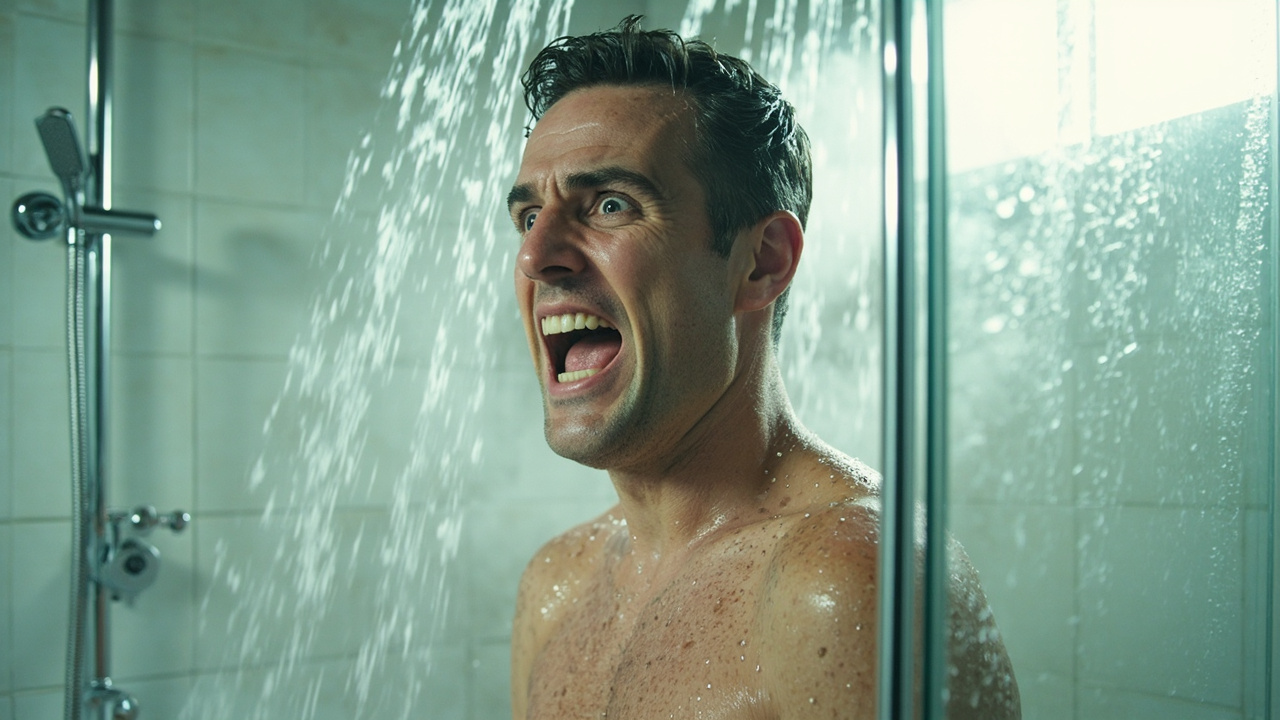
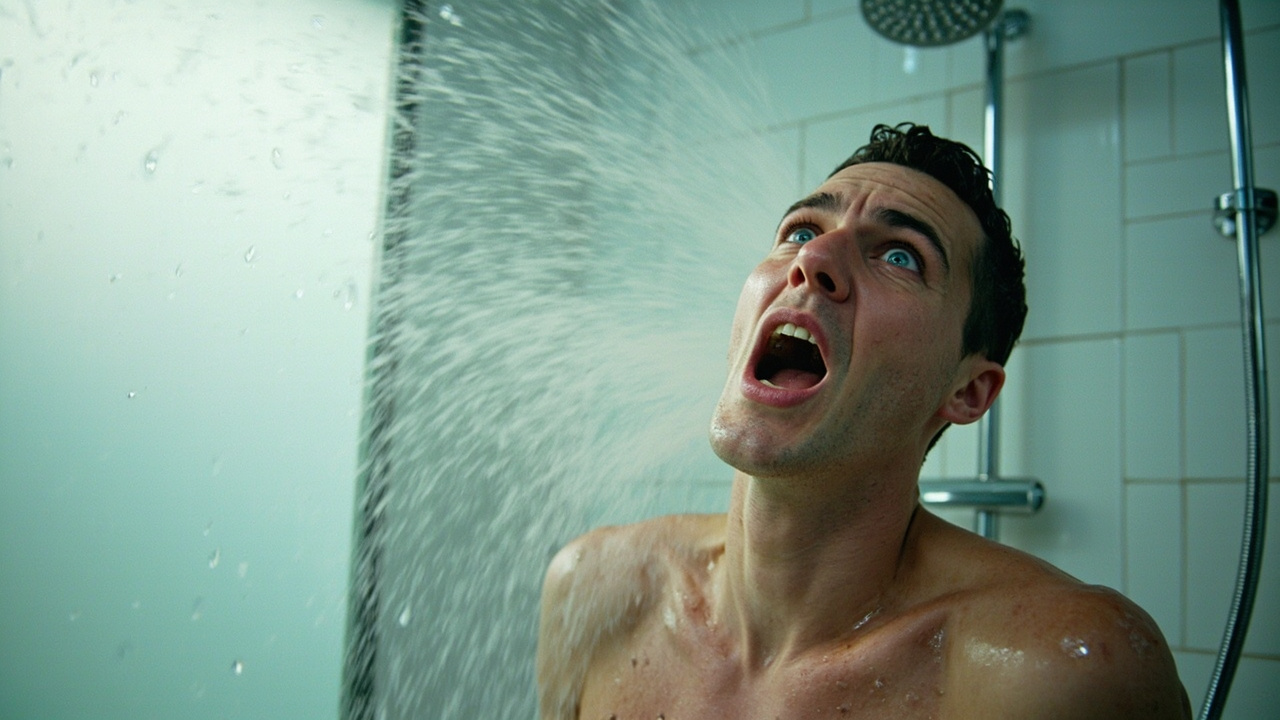
You step into the shower. The water feels perfect. Then suddenly a slug of freezing water hits you out of nowhere. Just as fast, the water turns scalding hot. This is the cold water sandwich effect, and it is a specific problem with tankless water heaters that Hartford residents deal with constantly.

The cold water sandwich happens when your tankless unit shuts down between hot water demands. Residual hot water sits in the pipes. When you turn the tap back on, you get that hot water first. Then the cold water slug that was sitting in the heat exchanger comes through. Finally, the burner reignites and you get scalding hot water again. This intermittent cold water tankless problem is not just annoying. It is dangerous for kids and elderly family members who cannot react fast enough.

Hartford's hard water makes this worse. Mineral buildup on the heat exchanger slows the ignition response time. The lag between when you open the tap and when the burner fires creates that cold water burst. Older homes in the West End and Asylum Hill neighborhoods have galvanized pipes that add another 10 to 15 feet of dead space where cold water sits. That makes the temperature fluctuation even more extreme.

Most homeowners think their tankless water heater is broken. It is not broken. It is poorly calibrated for your specific usage pattern and pipe configuration. The flow rate sensor is not detecting low-flow demands like a bathroom faucet. The burner delay is too long. The modulation range is set wrong for Hartford's incoming water temperature, which averages 52 degrees in winter.

Why Hartford Homeowners Keep Getting Blasted by Cold Water Bursts
How We Eliminate Tankless Temperature Fluctuation Without Replacing Your Unit

How We Eliminate Tankless Temperature Fluctuation Without Replacing Your Unit

Fixing a cold water sandwich does not mean you need a new water heater. It means you need precise recalibration and system modification. We start by testing your actual flow rates at every fixture. A bathroom sink typically flows at 0.5 gallons per minute. Most tankless units do not activate the burner until 0.6 GPM. That is your problem right there.

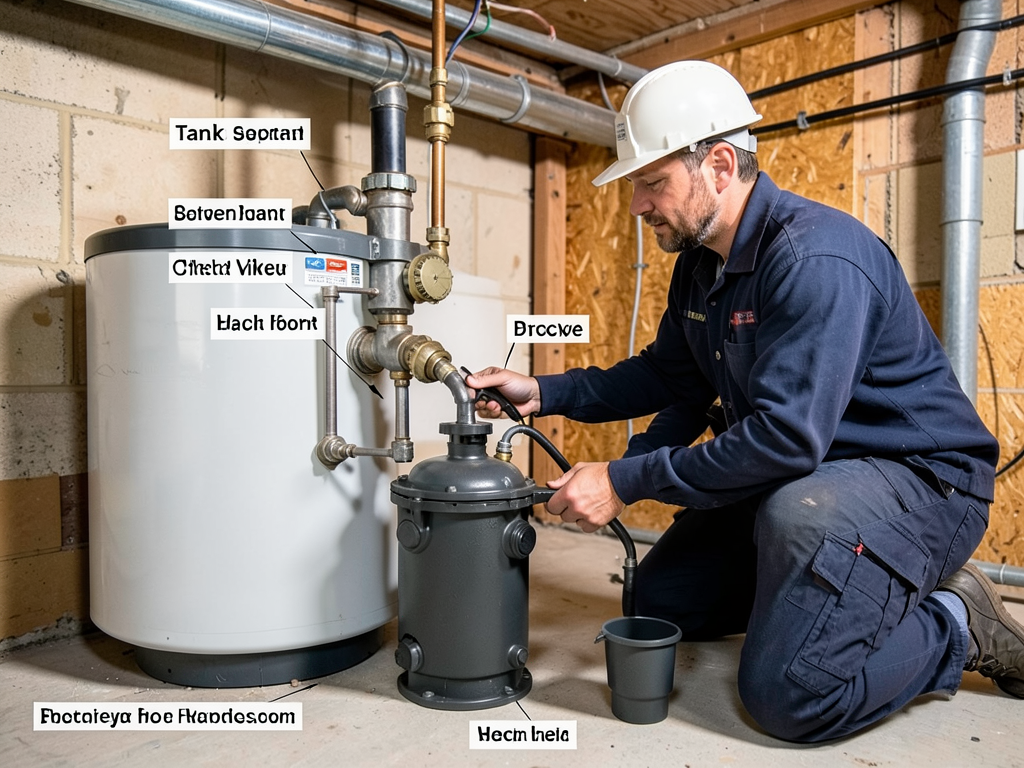
We adjust the flow sensor threshold so the burner activates at lower flow rates. This eliminates the delay that causes the cold water slug. For units that cannot be recalibrated below 0.5 GPM, we install a small recirculation buffer tank. This is not a traditional storage tank. It is a 2-gallon thermally insulated reservoir that keeps a small volume of hot water ready without defeating the purpose of going tankless.

Next, we address the modulation curve. Your burner should ramp up gradually based on flow demand, not snap from zero to 100 percent. We reprogram the gas valve modulation so temperature swings stay within 2 to 3 degrees instead of 15 to 20 degrees. This is critical for Hartford homes with multiple bathrooms where someone might flush a toilet while you are in the shower.

We also inspect your venting system. Tankless units pull combustion air from outside. If your intake vent is pulling cold air directly onto the heat exchanger during Hartford winters, it takes longer for the burner to heat the water. We relocate or shield the intake to prevent this. Finally, we descale the heat exchanger. Even a thin layer of calcium carbonate increases thermal mass and slows response time. We use a closed-loop descaling pump with food-grade citric acid to remove every trace of buildup.

What Happens When You Call Us About Cold Water Bursts

Cold Water Sandwich Effect in Hartford – Stop the Scalding Shock and Fix Your Tankless Water Heater Right
01

Flow Rate Diagnosis

We measure actual flow rates at your fixtures using a calibrated bucket test. We compare those numbers against your tankless unit's activation threshold. Most cold water sandwich problems come from a mismatch between fixture flow and burner ignition. We identify the exact GPM gap causing your intermittent cold water problem and determine whether recalibration or a buffer tank is the right fix for your home.
02

Heat Exchanger Inspection

We pull the front panel and visually inspect the heat exchanger fins for scale buildup. Hartford water averages 180 parts per million total dissolved solids. That level of hardness creates calcium carbonate deposits within 18 months. We use a borescope to check internal passages. If we find buildup, we perform a descaling flush using a dedicated pump and food-grade acid solution to restore full heat transfer efficiency.
03

Burner Recalibration and Testing

We connect to the unit's digital control board and adjust the flow sensor threshold and gas valve modulation curve. We test the settings by running hot water at different flow rates to confirm smooth temperature delivery with no cold slugs. We simulate real-world usage by turning taps on and off rapidly. You get a printout showing before-and-after temperature stability so you can see the exact improvement we achieved.

Why Hartford Homeowners Trust Five Star Plumbing Hartford for Tankless Problems

Most plumbers in Hartford will tell you to replace your tankless water heater. That is a $3,000 to $5,000 solution to a $300 problem. We specialize in diagnosing and fixing cold water sandwich issues without unnecessary equipment replacement. We have worked on every major tankless brand installed in Hartford homes, from Rinnai and Navien to Rheem and Noritz. We know the quirks of each model and how they perform with Hartford's specific water chemistry.

We understand how Hartford's housing stock affects tankless performance. Homes built before 1950 in neighborhoods like Barry Square and Behind the Rocks have longer pipe runs and smaller diameter supply lines. That creates more dead space where cold water can accumulate. We factor in your home's age and plumbing configuration when diagnosing your cold water burst problem. A fix that works in a new construction home in Blue Hills will not work the same way in a Victorian on Asylum Avenue.

We also understand Hartford's water quality. The Metropolitan District Commission supplies water with moderate hardness and a pH around 7.8. That specific chemistry affects how fast scale builds up on your heat exchanger and how aggressive our descaling treatment needs to be. We do not use one-size-fits-all solutions. We calibrate our service to your exact water conditions.

You are not getting a generic plumber who learned about tankless water heaters from a YouTube video. You are getting technicians who have solved hundreds of cold water sandwich problems in Hartford homes just like yours. We carry the diagnostic tools and recalibration software that most plumbers do not even own. When we leave, your water temperature stays consistent, and you can finally take a shower without bracing for a cold shock.

What You Can Expect When We Fix Your Cold Water Sandwich Problem

Same-Day Diagnosis Available

We schedule diagnostic appointments within 24 hours of your call. Most cold water sandwich fixes take 90 minutes to 2 hours depending on whether we need to descale the heat exchanger or install a small buffer tank. If we need to order a specific part for your tankless model, we give you an exact timeline. We do not leave you guessing when your hot water will work correctly again. You get a clear diagnosis and a firm completion date before we start any work.

Precision Testing and Calibration

We bring a digital thermometer, flow meter, and manufacturer-specific diagnostic software to every call. We measure your incoming water temperature, test flow rates at each fixture, and document your current temperature fluctuation range. Then we recalibrate your flow sensor threshold and burner modulation settings. We retest after calibration to confirm we eliminated the cold water slug. You see the data before and after so you know exactly what we fixed and how much we improved your system.

Consistent Water Temperature

After we recalibrate your tankless water heater, your temperature fluctuation should stay within 2 to 3 degrees across all fixtures. You will not experience cold water bursts when you turn the tap back on after a short pause. Your shower temperature stays stable even when someone flushes a toilet or runs the dishwasher. If you have a recirculation system, we integrate it properly so you get instant hot water without the cold sandwich effect when the pump cycles off.

Annual Maintenance Recommendations

Tankless water heaters need annual descaling in Hartford because of our water hardness. We recommend scheduling a maintenance flush every 12 months to prevent scale buildup from recreating your cold water sandwich problem. During maintenance, we also inspect the igniter, flame rod, and combustion chamber for wear. We check your venting system for blockages and test the pressure relief valve. Regular maintenance keeps your tankless unit firing consistently and eliminates the conditions that cause intermittent cold water problems.

Frequently Asked Questions

You Have Questions,
We Have Answers

How to get rid of cold water sandwich? +

Install a recirculation system or a buffer tank. The cold water sandwich happens when residual hot water sits in the pipes between uses. When you turn on the tap, hot water flows first, then cold water from the main line pushes through while the tankless unit fires up, followed by hot water again. A recirculation pump keeps hot water moving through your Hartford home's pipes, eliminating the cold burst. A small buffer tank stores heated water near the unit, creating a consistent temperature. Professional installation ensures proper sizing for your home's fixture count and pipe layout.

What is the downside to tankless water? +

Tankless units struggle during simultaneous demand and cost more upfront. If you run the shower, dishwasher, and washing machine at once in your Hartford home, flow rate drops and water temperature fluctuates. The initial investment runs three to four times higher than traditional tank heaters. Hartford's hard water accelerates mineral buildup inside the heat exchanger, requiring annual descaling. Gas models need larger diameter venting and upgraded gas lines. Power outages shut down electric models completely. Cold water sandwich effect frustrates families during morning routines when multiple fixtures compete for hot water.

Why do plumbers not recommend tankless water heaters? +

Plumbers see frequent callbacks for temperature inconsistency and premature failures. Tankless units demand precise installation, correct gas line sizing, and proper venting. Hartford's water hardness clogs heat exchangers faster than manufacturers admit. Many homeowners skip annual maintenance, which voids warranties and causes breakdowns. The units cannot handle simultaneous high-demand fixtures without expensive upgrades to gas supply or electrical service. Repair costs run higher because specialized parts take longer to source. Tank heaters remain simpler, cheaper to fix, and more reliable for typical family demand patterns. Most plumbers prefer proven technology over units requiring constant service calls.

How to fix a cold water sandwich? +

Adjust your flow rate or add a recirculation system. Turn your hot water tap to half flow instead of full blast. This gives the tankless unit time to heat incoming water before you draw it faster than the burner can respond. Installing a small recirculation loop with a pump keeps hot water circulating near fixtures, cutting the cold burst entirely. Point-of-use tankless heaters at distant fixtures like second-floor bathrooms eliminate long pipe runs. A small electric tank water heater closer to problem fixtures solves the issue for Hartford homes with complex plumbing layouts and multiple bathrooms far from the main unit.

How to recover from cold water shock? +

Warm up gradually and monitor for symptoms. Step away from cold water immediately. Dry off and wrap in blankets to restore core temperature slowly. Drink warm fluids, not hot. Avoid alcohol, which dilates blood vessels and drops body temperature further. Watch for confusion, slurred speech, or shivering that stops suddenly, which signals dangerous hypothermia. Seek emergency care if symptoms worsen. Hartford winters make cold water shock serious during plumbing emergencies or outdoor water line work. Once stable, identify why the exposure happened. Fix malfunctioning water heaters before another incident occurs. Prevention beats treatment for cold water exposure risks.

Why does Chinese medicine say not to drink cold water? +

Traditional Chinese medicine theory suggests cold water disrupts digestive chi and slows metabolism. Cold contracts blood vessels and reduces circulation to digestive organs, making the body work harder to warm food and liquid to body temperature before absorption. Warm water supposedly aids digestion, supports kidney function, and maintains energy balance. Modern science does not support these claims with evidence. Your body regulates temperature efficiently regardless of water temperature. Hartford tap water temperature stays safe year-round. Drink water at whatever temperature you prefer. Hydration matters more than temperature. Cultural health traditions differ from evidence-based plumbing and water safety practices that protect Hartford households.

How do amish get hot water? +

Amish communities heat water using wood stoves, propane, or solar collectors. Many install simple coil systems inside wood-burning stoves. Cold water runs through copper coils surrounded by fire, heating the water before it reaches fixtures. Some use propane-powered tankless heaters or storage tanks with propane burners. Off-grid Amish homes often incorporate passive solar water heating with south-facing collector panels and insulated storage tanks. Gravity-fed systems eliminate electric pumps. These methods align with traditional values rejecting grid-tied electricity. Hartford's Amish population remains small, but these proven low-tech solutions work in any climate. Manual systems require more maintenance but operate independently during power outages.

How much does your electric bill go up with a tankless water heater? +

Electric tankless heaters can raise bills fifteen to thirty percent depending on usage patterns and unit efficiency. A typical Hartford household using 40 gallons daily might see monthly increases of twenty to fifty dollars. Electric tankless units draw massive amperage when firing, often requiring 150-amp service panel upgrades. Gas tankless models cost less to operate because natural gas rates run cheaper than electricity per BTU. Usage habits matter more than heater type. Long showers and simultaneous hot water demand spike energy consumption. Proper insulation on hot water pipes cuts waste. Compare your current tank heater's energy factor to the tankless model's rating before upgrading.

Are they banning tankless water heaters? +

No current bans exist on tankless water heaters. Some jurisdictions restrict certain venting configurations or require updated installation codes, but tankless units remain legal nationwide. Confusion stems from California's 2029 regulations targeting fossil fuel appliances in new construction. Even those rules include exceptions for renovations and replacements. Hartford follows Connecticut state plumbing codes, which permit both tank and tankless installations when installed correctly. Gas utility companies sometimes limit new gas line installations in specific neighborhoods, which affects all gas appliances, not just tankless heaters. Check local permit requirements before installation. Proper venting and carbon monoxide detectors remain mandatory for combustion appliances.

Why don't houses use tankless toilets? +

Tankless toilets create plumbing complexity and water pressure problems. Most Hartford homes use gravity-flush toilets because they work reliably with standard residential water pressure. Tankless toilets require higher pressure to flush effectively without a storage tank. Commercial buildings use pressure-assist or flushometer valve systems with dedicated high-pressure lines. Residential water mains cannot sustain the flow rate for multiple tankless toilets operating simultaneously. The term confuses tankless water heaters with toilet flushing mechanisms. Dual-flush and low-flow toilets reduce water waste without eliminating tanks. Gravity remains the simplest, most reliable flush method. Tankless toilet technology costs more and solves no real problem for homeowners.

Why Hartford's Hard Water Makes Tankless Temperature Fluctuation Worse

Hartford's municipal water contains 180 to 200 parts per million total dissolved solids, which puts it in the moderately hard range. That level of mineral content causes calcium carbonate scale to form on tankless heat exchanger fins within 18 to 24 months of installation. Scale buildup increases thermal mass, which means your burner takes longer to heat the water flowing through the exchanger. That delay shows up as a longer cold water slug before the water gets hot again. Homes in the North End and Clay-Arsenal neighborhoods see faster scale accumulation because older pipes add iron oxide particles to the water. Those particles bond with calcium and create a harder, more insulating layer on the heat exchanger. Descaling becomes critical to maintaining consistent water temperature.

Five Star Plumbing Hartford has been solving tankless water heater problems in this city for years. We know how Hartford's water chemistry interacts with different tankless brands. We know which models handle low-flow activation better in older homes with long pipe runs. We know the difference between a cold water sandwich caused by poor calibration and one caused by scale buildup. That local experience matters because a plumber from outside Hartford might misdiagnose your problem and recommend an expensive replacement when a simple recalibration and descaling would fix it. We have the diagnostic tools and manufacturer training to solve your intermittent cold water problem correctly the first time.
Plumbing Services in The Hartford Area

We are proud to serve the entire Hartford metropolitan area and surrounding communities. Use the interactive map below to view our main service radius, or contact us directly if you are just outside the highlighted zone—we often make exceptions for clients in need. We look forward to bringing our five-star plumbing service directly to your location.

Address:
Five Star Plumbing Hartford, 100 Pearl St, Hartford, CT, 06103

Additional Services We Offer

Our news updates

Latest Articles & News from The Blogs

Protecting Your Backyard Pool Plumbing During a Brutal Hartford Winter The first hard freeze in Hartford typically hits by mid-October,…

Protecting Your Backyard Pool Plumbing During a Brutal Hartford Winter

Protecting Your Backyard Pool Plumbing During a Brutal Hartford Winter The first hard freeze in Hartford typically hits by mid-October,…

Is Upgrading to a Dual-Flush Toilet Worth It for Your Hartford Home?

Is Upgrading to a Dual-Flush Toilet Worth It for Your Hartford Home? Dual-flush toilets offer two flushing options: a half…

Fixing a Sticky Kitchen Sink Sprayer Without Calling for a Full Repair

Fixing a Sticky Kitchen Sink Sprayer Without Calling for a Full Repair Your kitchen sink sprayer sticks, sprays erratically, or…

Contact Us

Call Five Star Plumbing Hartford at (860) 743-9699 right now. We will diagnose your cold water sandwich problem and fix your tankless water heater so your water temperature stays consistent. No more scalding shocks. No more freezing bursts. Just steady hot water every time you turn on the tap.