menu

Dripping Faucets & Leaks in Hartford – Expert Diagnosis and Permanent Repairs

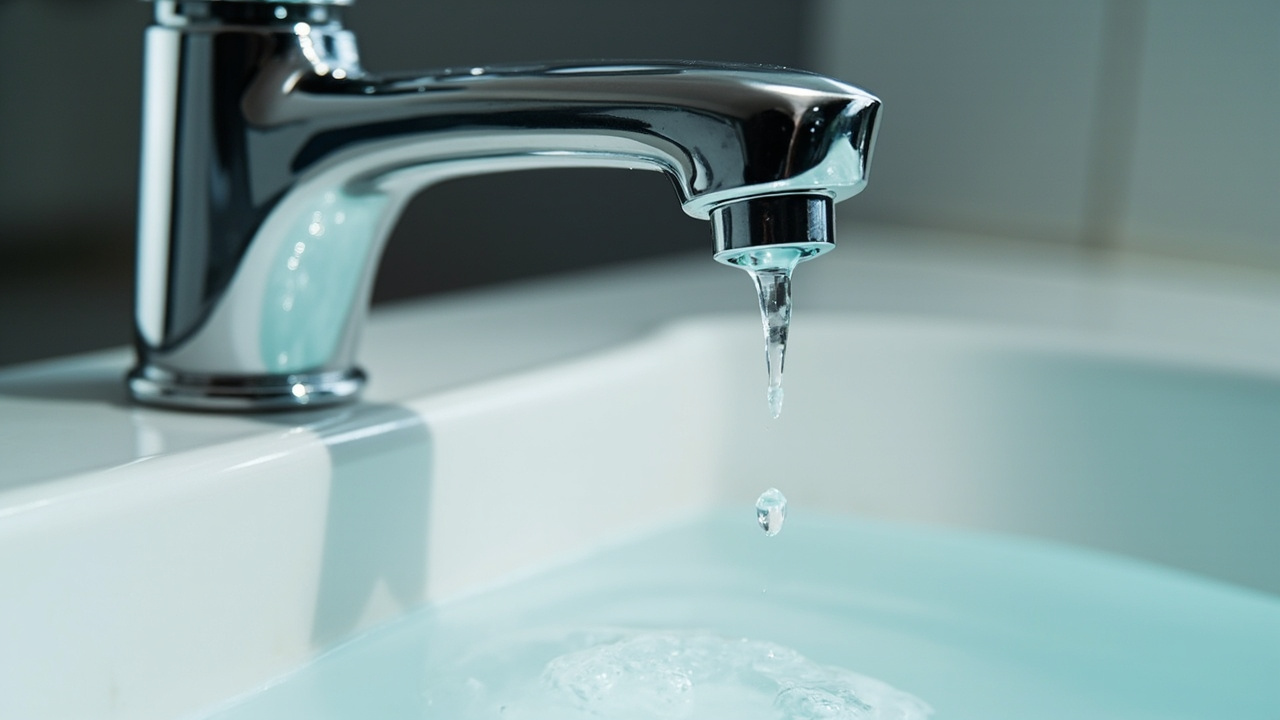
Five Star Plumbing Hartford stops water waste and fixture damage with precision diagnostics that identify worn cartridges, damaged valve seats, and corroded washers behind every dripping tap.

Slider Image 1
Slider Image 2
Slider Image 3
Slider Image 4
Slider Image 5
Slider Image 7
Slider Image 8
Slider Image 9
Slider Image 10
Slider Image 11

Why Hartford Faucets Fail Faster Than You Think

That constant dripping sound keeps you awake, but the real problem runs deeper than annoyance. Hartford's water chemistry creates unique challenges for faucet longevity. The municipal water supply, drawn from the Hartford Reservoir system, carries moderate mineral content that accelerates sediment buildup inside valve seats and cartridge chambers.

You might notice the drip started small, then got worse over a few weeks. That progression tells a specific story. The rubber washer inside your compression faucet compressed and hardened from repeated exposure to mineral deposits. Or your ceramic disc cartridge developed microscopic cracks from thermal expansion cycles during Hartford's freeze-thaw winters, where temperatures swing from single digits to above freezing within hours.

A leaking spigot wastes more than water. A faucet dripping once per second wastes over 3,000 gallons annually. That drives up your water bill and puts unnecessary strain on Hartford's aging water infrastructure. The West Hartford and South End neighborhoods, built primarily between 1920 and 1960, still have many original brass and chrome fixtures that were never designed for modern water pressure levels, which now average 65-80 PSI in most Hartford zones.

The water leak also causes secondary damage. Constant moisture around your sink basin deteriorates caulking, warps cabinet wood, and creates ideal conditions for mold growth beneath the countertop. What started as a minor dripping tap becomes a cabinet replacement project if ignored for months.

You need diagnosis, not guesswork. The fix depends entirely on what component failed and why.

Why Hartford Faucets Fail Faster Than You Think
How We Diagnose and Fix Every Type of Faucet Water Leak

How We Diagnose and Fix Every Type of Faucet Water Leak

We do not swap parts randomly and hope the drip stops. Our technicians perform systematic diagnostics to isolate the exact failure point.

First, we identify your faucet type. Compression faucets use rubber washers and valve seats. Cartridge faucets use a movable stem with O-rings. Ball faucets have a rotating ball with inlet seals. Ceramic disc faucets use two ceramic plates that slide across each other. Each design fails differently, and each requires specific repair procedures.

Next, we shut off the water supply at the angle stop valves beneath your sink, not at the main line. This isolation technique lets us test whether the leak stems from the faucet body or from a compromised supply line connection. We then disassemble the faucet handle and bonnet to access the internal components.

For compression faucets, we inspect the valve seat for pitting and corrosion. Even a tiny groove in the brass seat prevents the washer from sealing completely. We use a valve seat wrench to remove damaged seats and install exact replacements, not universal parts that create new leak points.

For cartridge and ceramic disc faucets, we examine O-rings and seals for hardening, cracks, or mineral buildup. Hartford's water can leave calcium deposits that prevent proper seal contact. We clean all contact surfaces with white vinegar to dissolve mineral scale before installing new components.

We also check supply line connections and aerator threads. Sometimes what appears to be a leaking spigot is actually water seeping from a loose aerator housing or a corroded supply line ferrule. Proper diagnosis prevents unnecessary part replacement and identifies the true source of water intrusion.

What Happens During Your Faucet Leak Repair Visit

Dripping Faucets & Leaks in Hartford – Expert Diagnosis and Permanent Repairs
01

Initial Assessment and Testing

Our technician arrives and examines your leaky faucet while water is still flowing to observe the exact leak location. We check for drips from the spout, around the handle base, or beneath the sink cabinet. We test hot and cold water separately because different supply lines can cause isolated leaks. This visual assessment determines whether the issue originates in the valve assembly, the aerator, or the supply connections.
02

Component Disassembly and Inspection

After shutting off the water supply, we remove the faucet handle using the appropriate screwdriver or hex key. We extract the cartridge, ball assembly, or valve stem depending on your faucet type. Every component gets inspected for wear patterns, mineral buildup, and material degradation. We measure the cartridge dimensions to ensure replacement parts match exactly. Generic cartridges create new leak paths and fail quickly in Hartford water conditions.
03

Repair and Function Verification

We install new washers, O-rings, cartridges, or valve seats as needed. All threaded connections receive plumber's grease to ensure smooth operation and proper sealing. After reassembly, we restore water flow and test both hot and cold lines for three full minutes while checking every potential leak point. We adjust handle tension and verify smooth operation through the full range of motion. You get a drip-free faucet that operates correctly under normal use conditions.

Why Hartford Residents Choose Five Star Plumbing for Leak Repairs

You need someone who understands Hartford plumbing systems, not just generic faucet repair. The homes in Asylum Hill, Parkville, and the South Green Historic District were built with different supply line materials and valve configurations than newer construction in the suburbs. We work on everything from 1920s-era compression faucets with brass valve seats to modern single-handle cartridge units in recently renovated condos along Bushnell Park.

Our technicians carry manufacturer-specific parts for Moen, Delta, Kohler, American Standard, and Pfister faucets. We do not use universal repair kits that create compatibility issues. When you have a Moen 1225 cartridge failure, we install an exact Moen 1225 replacement, not a generic substitute that will leak again in six months.

We also understand Hartford's water pressure variations. The pumping stations that serve different neighborhoods create pressure differences of 15-20 PSI between zones. Homes on higher elevation streets near Elizabeth Park experience lower pressure than properties in the Sheldon Charter Oak neighborhood. These pressure differences affect O-ring compression and seal performance. We adjust installation torque specifications based on your specific water pressure to prevent premature seal failure.

You get transparent diagnosis before any repair work begins. We show you the failed component, explain why it failed, and outline the repair process. If your faucet is beyond economical repair, we tell you upfront and help you select a replacement that fits your budget and usage patterns.

Our work protects your property. We place drop cloths, use basin protectors, and clean up completely after every repair. No water spots on your counter, no metal shavings in your sink, and no surprise damage to your cabinet finish.

What You Can Expect From Your Faucet Repair Service

Same-Day Service Availability

Most dripping tap repairs get scheduled within 24 hours of your call. We maintain inventory of common cartridges, washers, and valve seats for major faucet brands, which eliminates the parts-ordering delay that other companies use as an excuse for slow service. Emergency leak repairs that threaten cabinet damage or cause significant water waste can often be addressed the same day you contact us. Our service area covers all Hartford neighborhoods, from the North End to the South Meadows, with consistent response times regardless of your location.

Thorough Leak Source Identification

We do not assume the obvious answer is the correct one. Your constant dripping might come from a failed cartridge, but it could also stem from a cracked faucet body, a loose mounting nut, or a deteriorated supply line gasket. Our technicians test each potential failure point systematically. We use water pressure testing at the angle stops to verify supply line integrity. We inspect the underside of your sink deck for moisture that indicates a body crack rather than a seal failure. This methodical approach prevents repeat service calls and identifies problems before they cause major damage.

Verified Leak Elimination

Your repair is not complete until we verify zero leakage under normal operating conditions. We run hot and cold water through multiple cycles, checking for drips from the spout and moisture around the handle base and mounting points. We leave the water running for several minutes while monitoring all connections. We also cycle the faucet from full-open to full-closed repeatedly to ensure seals maintain contact through the entire range of motion. You get documentation of what components were replaced and why, which helps you understand your faucet's condition and expected lifespan going forward.

Maintenance Recommendations and Follow-Up

After your repair, we provide specific maintenance guidance based on your faucet type and Hartford's water conditions. You learn how often to clean aerator screens to prevent mineral buildup that causes pressure problems. We explain when to replace flexible supply lines, which typically last 8-10 years before the rubber gaskets harden. If your faucet required repair due to mineral deposits, we discuss water softening options or point-of-use filtration that extends component life. You get a clear timeline for when future maintenance will likely be needed, not a vague suggestion to call us someday.

Frequently Asked Questions

You Have Questions,
We Have Answers

How do I get my faucet to stop dripping? +

First, identify the faucet type. Compression faucets need a washer replacement. Cartridge, ball, or ceramic disc types require different internal parts. Turn off the water supply under the sink. Remove the handle using a screwdriver or Allen wrench. Pull out the cartridge or stem assembly and inspect for worn washers, O-rings, or damaged seats. Replace worn components with exact matches from a hardware store. Reassemble carefully. If the drip persists or you see corrosion, the valve seat may be damaged. Hartford homes built before 1980 often have older compression faucets that require specific washer sizes.

What is the most common cause of a dripping faucet? +

A worn washer or O-ring causes most dripping faucets. Every time you turn a faucet on and off, the washer presses against the valve seat. Over time, friction wears the rubber down. Hard water in Hartford accelerates this wear because mineral deposits create rough surfaces that eat through washers faster. Compression faucets experience this most often. Cartridge faucets drip when internal seals crack or corrode. Water pressure fluctuations in older Hartford neighborhoods can also stress these components, causing premature failure. Temperature changes during Connecticut winters make rubber brittle, which speeds up deterioration.

Should you let all faucets drip? +

Let faucets drip only during freeze warnings when temperatures drop below 20 degrees Fahrenheit. Hartford experiences freeze-thaw cycles throughout winter, which stresses pipes. A slight drip keeps water moving through vulnerable pipes in exterior walls or unheated crawl spaces, preventing ice blockages. Open cabinet doors under sinks to let warm air circulate around pipes. Do not leave multiple faucets dripping constantly. This wastes water and increases your utility bill without adding protection. Focus on faucets farthest from your water heater or those along exterior walls. Stop the drip once temperatures rise above freezing.

Is a dripping faucet considered a leak? +

Yes. A dripping faucet is a leak. It wastes water continuously, even though the volume seems small. One drip per second wastes over 3,000 gallons per year. That adds to your water bill and strains Hartford's municipal water system. Insurance companies may consider chronic dripping evidence of deferred maintenance if it causes secondary damage. Drips can also indicate internal valve wear that worsens over time. What starts as an occasional drip often becomes a steady stream. Hard water deposits common in Hartford speed up this deterioration. Address drips quickly to prevent bigger repair costs later.

Why does a faucet still drip when the water is turned off? +

The internal valve seat or cartridge seal has failed. When you close a faucet, a washer or ceramic disc should create a watertight seal against the valve seat. If that washer is worn, cracked, or misaligned, water pressure forces water through the gap. Hartford's water pressure averages 50 to 70 psi, which pushes water through even tiny openings. Mineral buildup from hard water creates rough spots on valve seats that prevent proper sealing. Loose packing nuts can also allow water to bypass the valve mechanism. If tightening the handle does not stop the drip, internal parts need replacement.

What does spraying WD-40 in a faucet do? +

WD-40 temporarily loosens mineral deposits and lubricates moving parts inside a faucet. It can quiet squeaky handles or free stuck cartridges during disassembly. WD-40 does not fix a drip. It is not a sealant and washes away quickly under water pressure. Hartford's hard water contains calcium and magnesium that create stubborn buildup inside faucet bodies. WD-40 may dissolve light surface deposits, but it cannot repair worn washers, cracked O-rings, or damaged valve seats. Use it as a disassembly aid only. After repairs, apply plumber's grease to O-rings and moving parts for proper lubrication.

Should I call a plumber for a dripping faucet? +

Call a plumber if you lack the tools, time, or confidence to replace faucet components yourself. Older Hartford homes often have corroded valve seats or non-standard faucet models that require specialty tools. If you attempt a repair and the drip worsens, or if you see water damage under the sink, stop and call a professional. Plumbers diagnose the root cause quickly and carry common replacement parts. If multiple faucets drip simultaneously, you may have a pressure regulator issue that requires professional attention. A licensed plumber can also inspect for hidden leaks behind walls or under floors during the service call.

What is the dripping faucet theory? +

The dripping faucet theory describes how persistent, small stressors create cumulative damage over time. In psychology, it explains how minor irritations build into major problems. In plumbing, it is literal. A small drip seems harmless but wastes thousands of gallons annually and signals internal wear. Ignoring that drip allows valve seat corrosion to worsen until the entire faucet assembly fails. Hartford homeowners often delay repairs because the drip seems minor. That delay turns a quick washer replacement into a full faucet replacement. The theory reminds you that small problems compound when ignored.

Can I fix a dripping tap myself? +

You can fix a dripping tap yourself if you have basic tools and patience. Turn off the water supply first. Compression faucets require a screwdriver, adjustable wrench, and replacement washers. Cartridge faucets need the correct replacement cartridge for your model. Take photos during disassembly to remember the order of parts. Hartford hardware stores carry common faucet repair kits. Watch manufacturer videos for your specific faucet model. If you strip screws, crack the faucet body, or cannot reassemble it correctly, call a plumber. DIY repairs work for simple washer replacements but not for corroded valve seats.

Will pipes freeze if they are dripping? +

Dripping faucets help prevent pipe freezing, but they do not guarantee it. A slight drip keeps water moving through pipes, which resists ice formation. Pipes freeze when stagnant water drops below 32 degrees Fahrenheit for extended periods. Hartford winters bring prolonged cold snaps where outdoor temperatures stay below 20 degrees for days. Dripping works for pipes in exterior walls or unheated spaces. It does not protect poorly insulated pipes or those in unheated crawl spaces. Insulate vulnerable pipes with foam sleeves. Open cabinet doors to circulate warm air. Dripping is a backup strategy, not a replacement for proper insulation.

How Hartford's Water Chemistry Accelerates Faucet Component Wear

Hartford's municipal water system draws from surface reservoirs that collect runoff from the surrounding hills, creating moderate mineral content that accelerates sediment accumulation inside faucet valve assemblies. The water hardness level averages 6-8 grains per gallon, which falls in the moderately hard range. This mineral concentration causes calcium carbonate deposits on valve seats and cartridge seals, creating rough surfaces that prevent complete closure. The deposits build up faster during summer months when higher water temperatures increase mineral precipitation. Homes in older neighborhoods with galvanized supply pipes experience faster buildup because pipe corrosion adds iron particles to the mineral mix.

Hartford's plumbing code, enforced through the Department of Development Services, requires specific fixture installation standards that affect leak potential. Proper installation includes adequate clearance around shut-off valves and correct supply line connection torque. Many DIY repairs and quick-fix handyman jobs skip these requirements, creating future leak points. Five Star Plumbing Hartford follows all local codes and uses installation techniques that account for Hartford's water pressure variations across different elevation zones. Our familiarity with Hartford's housing stock, from Victorian-era homes in the Asylum Hill Historic District to modern apartments near the Connecticut Convention Center, means we understand the unique plumbing configurations in your specific building type.
Plumbing Services in The Hartford Area

We are proud to serve the entire Hartford metropolitan area and surrounding communities. Use the interactive map below to view our main service radius, or contact us directly if you are just outside the highlighted zone—we often make exceptions for clients in need. We look forward to bringing our five-star plumbing service directly to your location.

Address:
Five Star Plumbing Hartford, 100 Pearl St, Hartford, CT, 06103

Additional Services We Offer

Our news updates

Latest Articles & News from The Blogs

Protecting Your Backyard Pool Plumbing During a Brutal Hartford Winter The first hard freeze in Hartford typically hits by mid-October,…

Protecting Your Backyard Pool Plumbing During a Brutal Hartford Winter

Protecting Your Backyard Pool Plumbing During a Brutal Hartford Winter The first hard freeze in Hartford typically hits by mid-October,…

Is Upgrading to a Dual-Flush Toilet Worth It for Your Hartford Home?

Is Upgrading to a Dual-Flush Toilet Worth It for Your Hartford Home? Dual-flush toilets offer two flushing options: a half…

Fixing a Sticky Kitchen Sink Sprayer Without Calling for a Full Repair

Fixing a Sticky Kitchen Sink Sprayer Without Calling for a Full Repair Your kitchen sink sprayer sticks, sprays erratically, or…

Contact Us

Call Five Star Plumbing Hartford at (860) 743-9699 right now for same-day leak diagnosis and repair. We carry the parts needed to fix your specific faucet type and stop the constant dripping today.