
menu

Sediment Buildup in Pipes in Hartford – Expert Diagnosis and Targeted Pipe Cleaning Solutions

Five Star Plumbing Hartford identifies the exact source of your sediment buildup using camera inspection technology, then delivers targeted hydro jetting or descaling solutions that restore proper flow without replacing your entire plumbing system.

Slider Image 1
Slider Image 2
Slider Image 3
Slider Image 4
Slider Image 5
Slider Image 7
Slider Image 8
Slider Image 9
Slider Image 10
Slider Image 11

Why Hartford Homes Experience Chronic Sediment Problems

You turn on the tap and notice reduced pressure. Your water heater makes strange rumbling sounds. Faucet aerators clog every few months. These symptoms point to sediment buildup in pipes, a pervasive issue in Hartford homes due to the region's hard water supply and aging copper infrastructure.

Hartford's municipal water travels through the Connecticut River watershed, picking up dissolved minerals before entering your home. The Connecticut Department of Public Health reports that many Hartford neighborhoods register water hardness between 120-180 parts per million. This mineral concentration creates calcium buildup in water lines, forming deposits that narrow pipe diameter and reduce flow capacity.

The problem accelerates in homes built before 1980. Hartford's historic districts feature original copper and galvanized steel plumbing that has spent decades accumulating limescale. The mineral deposits in water pipes bond to interior walls, creating a rough surface that traps sediment particles. Over time, this pipe calcification narrows your pipes from their original diameter down to a fraction of their capacity.

Winter freeze-thaw cycles common to Hartford compound the issue. When pipes expand and contract with temperature changes, existing mineral deposits crack and flake off. These fragments settle in horizontal runs and low points, creating partial blockages. You notice hot water that takes longer to arrive, fixtures that spit and sputter, or discolored water when you first turn on the tap.

Hard water pipe scaling affects every fixture in your home. Water heaters work harder to heat water through sediment layers. Washing machines strain against restricted flow. Dishwashers leave spots on glassware. The cumulative effect means higher utility bills and premature appliance failure.

Understanding the source helps you address the real problem rather than chasing symptoms.

Why Hartford Homes Experience Chronic Sediment Problems
How We Diagnose and Remove Pipe Sediment

How We Diagnose and Remove Pipe Sediment

Effective sediment removal requires accurate diagnosis. We start with a video camera inspection to identify the exact location and severity of buildup. The camera reveals whether you face general limescale accumulation in plumbing or concentrated blockages at specific points. This diagnostic step prevents unnecessary work and targets the real problem areas.

For moderate calcium buildup in water lines, we use hydro jetting equipment calibrated to flush sediment without damaging pipe walls. The high-pressure water stream breaks loose mineral deposits and flushes them through your drainage system. This method works particularly well in copper and PEX piping common to Hartford homes built after 1970.

Severe pipe calcification problems require mechanical descaling. We insert flexible descaling tools that rotate against pipe interiors, scraping away hardened deposits. This approach restores original pipe diameter in sections where decades of buildup have reduced flow to a trickle. The process generates debris, which we capture and remove to prevent downstream clogs.

Older galvanized steel pipes present a different challenge. The zinc coating deteriorates over time, creating rough interior surfaces that accelerate sediment accumulation. In these cases, we assess whether cleaning provides a temporary fix or whether section replacement offers better long-term value. We provide honest recommendations based on pipe condition, not upselling.

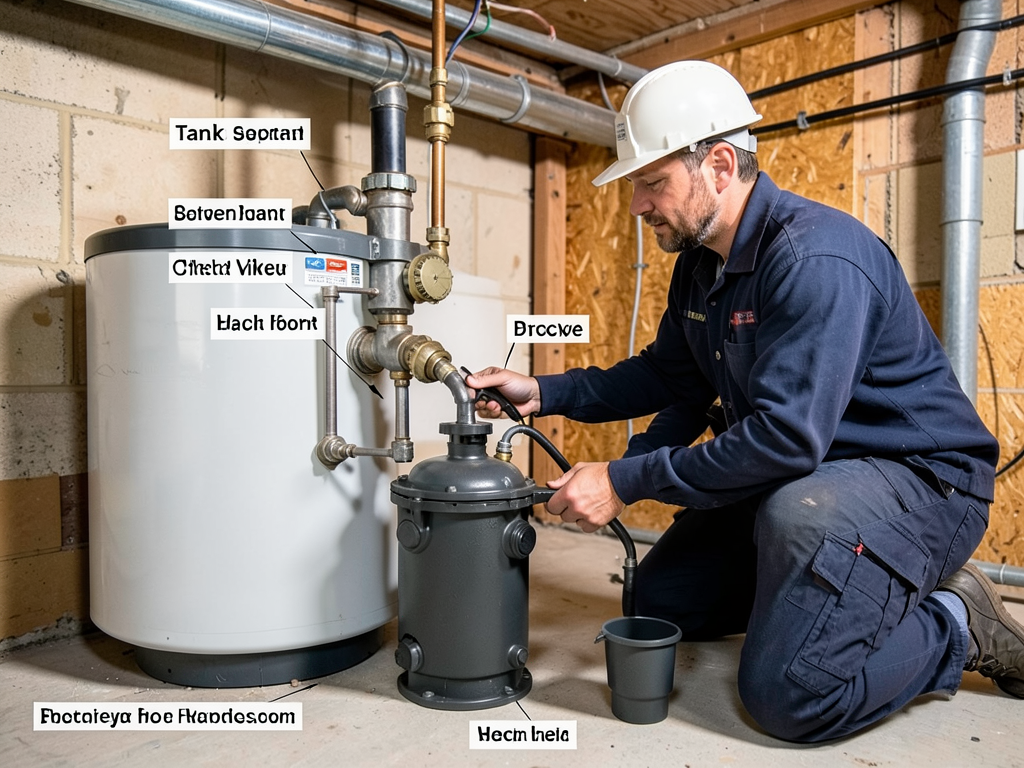
After cleaning, we test water pressure at multiple fixtures to verify restoration of proper flow. We also inspect your water heater for sediment accumulation. The tank acts as a collection point for minerals that settle out of suspension. Flushing the heater extends its lifespan and improves heating efficiency.

For homes with chronic hard water issues, we discuss point-of-entry water softening systems. Treating water before it enters your distribution system prevents future mineral deposits in water pipes. This proactive approach protects your investment in pipe cleaning.

What Happens During Professional Pipe Cleaning

Sediment Buildup in Pipes in Hartford – Expert Diagnosis and Targeted Pipe Cleaning Solutions
01

Camera Inspection First

We insert a waterproof inspection camera through existing access points to map sediment location and severity. The camera identifies whether you face uniform scaling throughout your system or concentrated blockages at specific sections. This visual evidence guides our cleaning method selection and prevents guesswork. You see the same footage we analyze, so you understand exactly what needs attention and why.
02

Targeted Sediment Removal

Based on inspection findings, we deploy hydro jetting for loose deposits or mechanical descaling for hardened buildup. Hydro jetting uses controlled water pressure between 3,000-4,000 PSI to scour pipe interiors without causing damage. Mechanical descaling physically removes calcium layers that have bonded to pipe walls. Both methods restore flow capacity by eliminating the restrictions choking your plumbing system.
03

Flow Verification Testing

After cleaning, we measure water pressure at multiple fixtures to confirm restoration of proper flow rates. We run hot water to verify your water heater delivers heated water promptly. If pressure remains below optimal levels, we identify additional restriction points rather than declaring the job complete. You receive documentation of before and after conditions, along with maintenance recommendations to prevent rapid re-accumulation of sediment.

Why Hartford Homeowners Choose Local Sediment Solutions

Generic drain cleaning franchises treat sediment buildup as a simple clog. They run a snake through your line, declare the job complete, and leave. Two months later, your pressure drops again because they never addressed the underlying mineral deposits coating your pipes.

Five Star Plumbing Hartford understands the specific challenges of Hartford's water chemistry. We know that homes in the West End and Asylum Hill neighborhoods face different sediment profiles than properties near Blue Hills Avenue. Water traveling through different sections of the municipal system picks up different mineral concentrations. This local knowledge informs our approach.

We also understand Hartford's housing stock. A Victorian home on Scarborough Street has different plumbing than a ranch house in the South End. Original pipe materials, installation methods, and access points vary by construction era. We adapt our diagnostic and cleaning methods to work with your home's specific configuration rather than forcing a one-size-fits-all solution.

Our technicians carry specialized equipment that most plumbers skip. The video inspection camera provides visual confirmation of sediment location. The variable-pressure hydro jetting rig lets us adjust force based on pipe material and condition. The flexible descaling cables navigate Hartford's typical pipe layouts, including tight turns and vertical drops common in multi-story homes.

We also provide realistic expectations. If your galvanized steel pipes have deteriorated beyond effective cleaning, we tell you. We explain which sections require replacement and which areas respond well to descaling. This transparency helps you make informed decisions about immediate fixes versus long-term solutions.

Local contractors understand local building codes. Hartford requires permits for certain plumbing modifications. We handle documentation and inspection scheduling. We know which inspectors serve which districts and what they expect to see. This knowledge prevents delays and failed inspections that waste your time.

You also get accountability. We operate from a Hartford location. If an issue arises after service, we return promptly because we built our reputation on repeat business and referrals within this community.

What to Expect from Professional Pipe Cleaning

Service Timing and Scheduling

Most sediment removal projects require 2-4 hours depending on system size and buildup severity. We schedule appointments in windows that match your availability, including evening and weekend slots for working homeowners. Emergency sediment removal for severe flow restriction receives same-day response. We arrive on time and complete work within the estimated timeframe. You receive a confirmation call the day before service with a specific arrival window. We protect work areas with drop cloths and clean up completely before leaving.

Comprehensive System Assessment

Your service begins with video inspection of affected lines. We identify sediment concentration points, assess pipe condition, and determine the most effective removal method. You review inspection footage with us and see exactly what we found. We explain the relationship between your symptoms and the visible buildup. You receive a detailed explanation of recommended cleaning methods before we begin work. This diagnostic phase ensures we address the actual problem rather than guessing at solutions based only on symptoms.

Restored Flow Performance

Effective sediment removal restores water pressure to levels appropriate for your pipe size and configuration. Hot water arrives faster at distant fixtures. Faucet aerators stay clean longer. Water heaters operate more efficiently without working through sediment layers. You notice immediate improvement in fixture performance. We verify results by testing pressure at multiple points before completing service. If flow remains restricted after cleaning, we identify additional issues rather than leaving you with partial improvement and unanswered questions.

Prevention and Maintenance Planning

After cleaning, we discuss realistic expectations for sediment re-accumulation based on your water hardness and plumbing materials. We recommend maintenance intervals that prevent buildup from returning to problematic levels. For homes with chronic hard water issues, we explain water softening options that address the source rather than repeatedly treating symptoms. You receive written documentation of work performed, including camera inspection images and pressure test results. We follow up within two weeks to verify continued proper flow and answer any questions about ongoing maintenance.

Frequently Asked Questions

You Have Questions,
We Have Answers

What causes sediment in water pipes? +

Sediment in water pipes comes from mineral deposits, corroded pipe material, and particles from the municipal water supply. Hartford's aging water infrastructure and hard water contribute to calcium and magnesium buildup inside pipes. Galvanized steel pipes common in older Hartford homes corrode over time, releasing rust and metal fragments. Sand and silt can enter through deteriorating water mains during repairs. Water heaters accelerate sediment accumulation as minerals separate from heated water and settle at the bottom. If you notice discolored water or reduced flow, sediment is blocking your pipes.

How long does it take to run water to get sediment out? +

Run cold water for 15 to 30 minutes to flush loose sediment from your pipes. Start at the tap farthest from your main water line and work backward. For heavy sediment after water main work in Hartford, you may need to run water for up to an hour. Use a bathtub faucet to avoid clogging aerators on sinks. If sediment persists beyond 30 minutes or water remains discolored, the buildup is embedded in your pipes and requires professional cleaning or pipe replacement.

Is it okay to pour boiling water down drains in the house to clean them? +

Boiling water is safe for metal pipes but can crack or warp PVC and older pipe joints. Many Hartford homes built before 1980 have mixed plumbing systems where metal connects to plastic fittings. The sudden temperature change can loosen joint seals and cause leaks. Boiling water alone will not remove grease or sediment effectively. It provides temporary relief but does not address the root cause. For persistent clogs, use enzyme cleaners or contact a plumber. Never pour boiling water down a toilet, as it can crack the porcelain bowl.

How do you remove buildup from pipes? +

Professional hydro jetting uses high-pressure water to scour pipe interiors and remove scale, grease, and mineral deposits. Plumbers insert a specialized nozzle that blasts water at 3,000 to 4,000 PSI, breaking up sediment and flushing it through the system. For minor buildup, mechanical snaking or chemical descaling agents may work. Hartford's freeze-thaw cycles stress pipes, so buildup removal should be done carefully to avoid damaging already weakened sections. Water heaters need annual flushing to prevent sediment accumulation. Old galvanized pipes often require full replacement if corrosion is severe.

How do you flush sediment out of pipes? +

Turn off your water heater and let it cool for several hours. Attach a garden hose to the drain valve at the tank's base and run it to a floor drain or outside. Open the drain valve and a hot water faucet upstairs to allow air in. Flush until water runs clear, which may take 15 to 30 minutes. For whole-house flushing, open all cold taps starting with the highest floor. Hartford's mineral-heavy water requires annual flushing to prevent sediment from restricting flow and reducing heater efficiency.

What are two things you should never flush down a toilet? +

Never flush wipes or feminine hygiene products. Wipes labeled flushable do not break down like toilet paper and snag on pipe joints, creating blockages that trap other debris. They cause major clogs in Hartford's older sewer laterals with offset joints and root intrusion. Feminine products expand when wet and lodge in drain bends. Both items require expensive sewer line snaking or excavation to remove. Flush only human waste and toilet paper. Everything else goes in the trash, even if packaging claims it is flushable.

How much do plumbers usually charge to unclog a drain? +

Drain cleaning in Hartford ranges from 150 to 400 dollars depending on clog severity and location. Simple sink or tub clogs cleared with a snake cost less. Main sewer line stoppages requiring hydro jetting or camera inspection cost more. Emergency after-hours service adds premium fees. Prices vary based on accessibility, pipe condition, and whether the clog is in your home's plumbing or the municipal connection. Get quotes from multiple licensed plumbers before agreeing to work. Beware of unusually low quotes that hide additional charges.

Why is my water full of sediment? +

Sediment in your water indicates corroding pipes, disturbed water mains, or excessive mineral content. Hartford's water system occasionally experiences main breaks or planned flushing that stirs up sediment temporarily. If sediment appears suddenly across all taps, the source is external. If isolated to hot water, your water heater needs flushing. Persistent sediment from one fixture points to pipe corrosion in that line. Brown or red water suggests iron from rusting galvanized pipes. White or cloudy sediment indicates calcium deposits from hard water. A plumber can test and pinpoint the source.

Which pipes freeze first? +

Pipes in exterior walls, unheated crawl spaces, and attics freeze first. North-facing pipes receive less sun exposure and stay colder longer during Hartford's winter freezes. Half-inch supply lines freeze faster than larger diameter pipes because they hold less water volume. Copper pipes conduct cold faster than PEX but burst more easily. Pipes near foundation cracks or poorly sealed rim joists lose heat quickly. Water left standing in pipes freezes before flowing water. Outdoor hose bibs without frost-free valves freeze first and crack when temperatures drop below 20 degrees.

What does Dawn dish soap do to drains? +

Dawn dish soap acts as a degreaser and lubricant but does not remove clogs or sediment. It can help break down minor grease buildup when followed by hot water, but it will not dissolve hair, soap scum, or mineral deposits. Some plumbers use Dawn mixed with hot water as a diagnostic tool to see if a slow drain improves temporarily, indicating grease is part of the problem. It is not a long-term solution. For sediment or scale buildup common in Hartford's hard water, you need mechanical cleaning or chemical descalers designed for mineral deposits.

How Hartford's Hard Water Accelerates Pipe Calcification

Hartford's municipal water supply draws from the Metropolitan District Commission reservoir system, which collects surface water with naturally high mineral content. The dissolved calcium, magnesium, and iron concentrations range between 120-180 PPM across different service areas. This moderate-to-hard classification means every gallon of water flowing through your pipes deposits trace minerals. Over months and years, these deposits accumulate into the thick limescale layers that restrict flow. Homes in older neighborhoods face compounded issues because original copper and galvanized piping provides rough interior surfaces where minerals bond more readily than smooth modern PEX.

Five Star Plumbing Hartford has serviced plumbing systems across every Hartford neighborhood for years. We understand the specific challenges facing homes in Asylum Hill's historic districts versus newer construction in the South Meadows. We know which sections of the municipal water system deliver harder water and which pipe materials perform best in Hartford's freeze-thaw climate. This local experience means faster diagnosis and more effective solutions than contractors unfamiliar with Hartford's specific conditions. We also maintain relationships with local building inspectors and understand Hartford's permitting requirements for plumbing modifications.
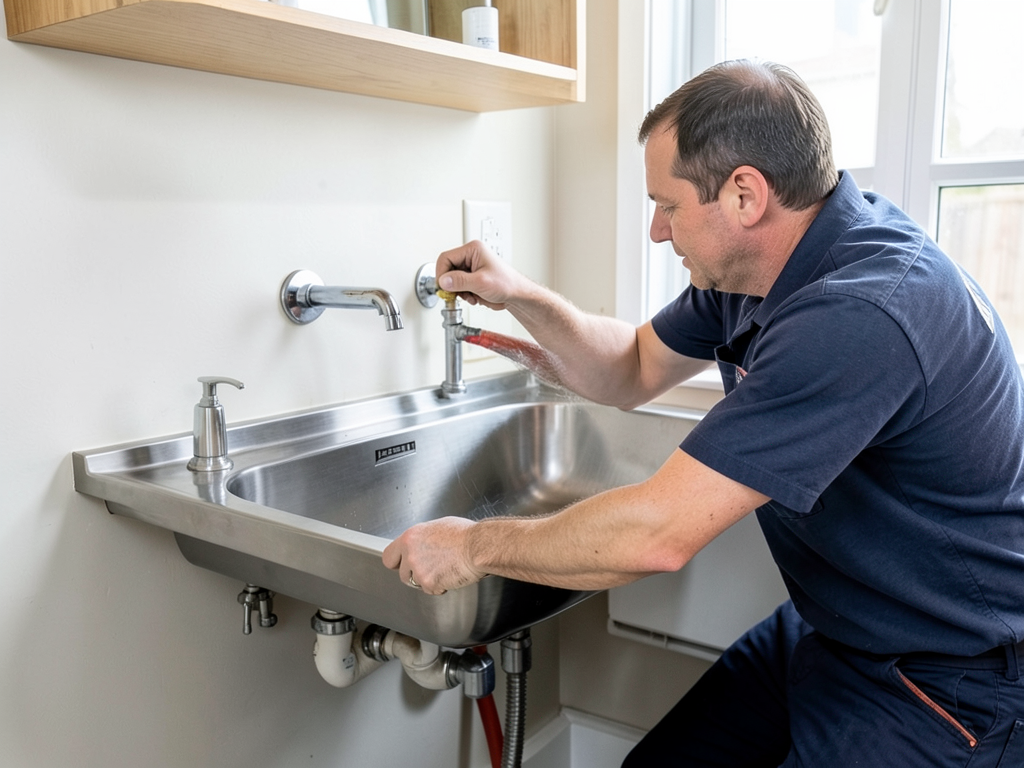
Plumbing Services in The Hartford Area

We are proud to serve the entire Hartford metropolitan area and surrounding communities. Use the interactive map below to view our main service radius, or contact us directly if you are just outside the highlighted zone—we often make exceptions for clients in need. We look forward to bringing our five-star plumbing service directly to your location.

Address:
Five Star Plumbing Hartford, 100 Pearl St, Hartford, CT, 06103

Additional Services We Offer

Our news updates

Latest Articles & News from The Blogs

Protecting Your Backyard Pool Plumbing During a Brutal Hartford Winter The first hard freeze in Hartford typically hits by mid-October,…

Protecting Your Backyard Pool Plumbing During a Brutal Hartford Winter

Protecting Your Backyard Pool Plumbing During a Brutal Hartford Winter The first hard freeze in Hartford typically hits by mid-October,…

Is Upgrading to a Dual-Flush Toilet Worth It for Your Hartford Home?

Is Upgrading to a Dual-Flush Toilet Worth It for Your Hartford Home? Dual-flush toilets offer two flushing options: a half…

Fixing a Sticky Kitchen Sink Sprayer Without Calling for a Full Repair

Fixing a Sticky Kitchen Sink Sprayer Without Calling for a Full Repair Your kitchen sink sprayer sticks, sprays erratically, or…

Contact Us

Stop tolerating weak water pressure and spotty fixtures. Call Five Star Plumbing Hartford at (860) 743-9699 for expert sediment diagnosis and removal. We provide same-day emergency service and straightforward pricing with no hidden fees.