menu

Plumbing Inspection Checklist for Hartford Homes – Catch Problems Before They Cost You Thousands

Use this comprehensive home plumbing inspection list to identify leaks, corrosion, and drainage issues common in Hartford's aging housing stock before minor problems turn into emergency repairs.

Slider Image 1
Slider Image 2
Slider Image 3
Slider Image 4
Slider Image 5
Slider Image 7
Slider Image 8
Slider Image 9
Slider Image 10
Slider Image 11

Why Hartford Homes Need Regular Plumbing Checkups

Hartford's housing stock tells a story. Over 60% of homes in the city were built before 1970, which means galvanized pipes, outdated fixtures, and plumbing systems designed for a different era. Add Connecticut's freeze-thaw cycles, where temperatures can swing from 15°F in January to 85°F in July, and you have a recipe for stress fractures, joint failures, and hidden leaks.

A residential plumbing checkup list is not optional maintenance. It is preventative damage control. Hartford's hard water, with mineral content averaging 120-180 parts per million, accelerates scale buildup in water heaters and supply lines. This buildup reduces flow, increases pressure, and shortens the lifespan of your fixtures by years.

Neighborhoods near the Connecticut River face additional challenges. High water tables in areas like Frog Hollow and Sheldon Charter Oak mean basement sump pumps work overtime during spring runoff. Without a plumbing maintenance checklist, you miss the early warning signs: slow drains, low pressure, discolored water, and minor drips that signal bigger issues behind the walls.

Most homeowners wait until something breaks. By then, you are dealing with water damage, mold remediation, and insurance claims. A preventative plumbing maintenance checklist catches problems at the warning stage, not the crisis stage. You check your furnace annually. Your plumbing system deserves the same attention, especially in a city where infrastructure ages faster than the national average.

Why Hartford Homes Need Regular Plumbing Checkups
What a Complete Plumbing System Inspection Guide Covers

What a Complete Plumbing System Inspection Guide Covers

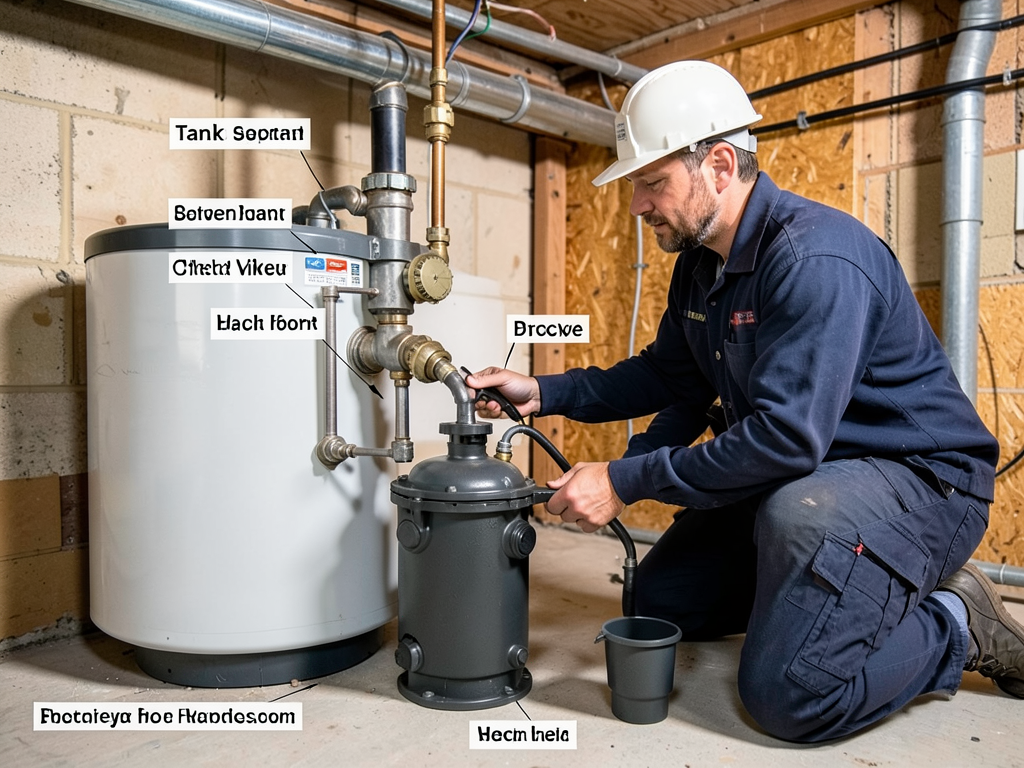
A real plumbing inspection is not a visual scan. It is a systematic evaluation of every component in your water supply and drainage system. Start with the water heater. Check the anode rod for corrosion, inspect the pressure relief valve for leaks, and test the thermostat calibration. Sediment buildup at the tank bottom reduces efficiency and causes premature failure. Flush the tank to remove mineral deposits.

Move to exposed pipes in the basement and crawl spaces. Look for verdigris on copper joints, rust stains on galvanized steel, and moisture around fittings. Check pipe hangers for secure mounting. Loose pipes vibrate during pressure changes and eventually crack at the joints. Inspect shut-off valves under sinks and toilets. Turn them clockwise and counterclockwise to prevent them from seizing. A valve that has not been touched in five years will fail when you need it most.

Test all fixtures for flow rate and drainage speed. A kitchen sink that drains slowly indicates a partial blockage in the P-trap or branch line. Low pressure at one faucet points to aerator buildup or a localized supply line issue. Toilet flappers degrade over time, causing phantom flushes that waste 200 gallons per day. Listen for hissing sounds after the flush cycle completes.

Check the sewer line cleanout for standing water or sewage odor. In Hartford's older neighborhoods, clay sewer laterals crack from tree root intrusion and ground settling. A plumbing system inspection guide includes documenting these findings with photos and prioritizing repairs based on risk. Five Star Plumbing Hartford uses this methodical approach to give you a clear action plan, not a surprise repair bill.

How to Execute Your Home Plumbing Inspection

Plumbing Inspection Checklist for Hartford Homes – Catch Problems Before They Cost You Thousands
01

Document Current Conditions

Start by creating a baseline record of your plumbing system. Photograph all visible pipes, valves, and fixtures. Note the age of your water heater, garbage disposal, and sump pump. Record water pressure at multiple fixtures using a pressure gauge. Document any existing stains, corrosion, or slow drainage. This baseline helps you track changes over time and identify deterioration before it becomes critical. Use your smartphone to timestamp each photo for future reference.
02

Test Every Component

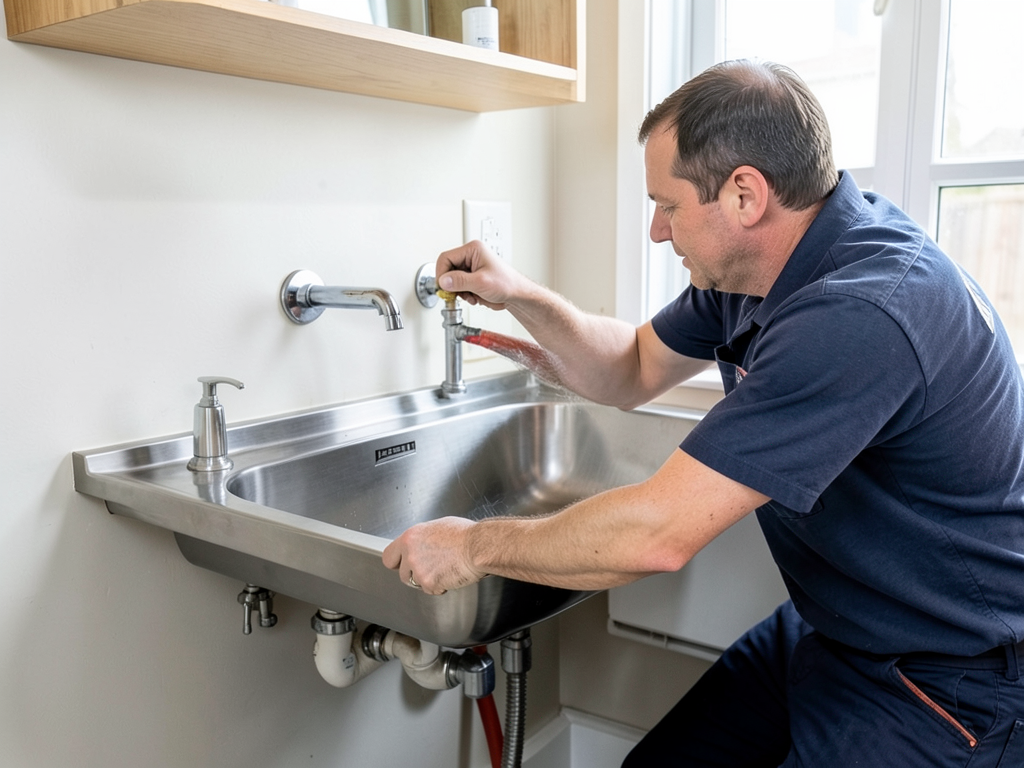
Run water at all fixtures simultaneously to test system capacity and identify pressure drops. Flush toilets while someone showers to check for drainage conflicts. Inspect under sinks with a flashlight while water runs to spot active leaks. Test the garbage disposal and dishwasher drain cycle. Check the water heater temperature with a thermometer at the tap. Operate all shut-off valves to ensure they move freely. Listen for water hammer, gurgling drains, or running water when all fixtures are off.
03

Create Your Action Plan

Compile your findings into three categories: immediate repairs, scheduled maintenance, and monitor items. Immediate repairs include active leaks, no hot water, or sewage backups. Scheduled maintenance covers anode rod replacement, water heater flushing, and valve exercising. Monitor items are early warning signs like minor corrosion or slow drainage that need tracking but not immediate action. Schedule professional evaluation for anything beyond simple fixes. This prioritization prevents panic decisions and budget surprises.

Why Hartford Homeowners Trust Local Plumbing Expertise

Hartford's plumbing challenges are specific to this region. A plumber from another state will not know that homes in the West End have different water pressure issues than properties in Blue Hills. They will not recognize the signs of polybutylene piping common in 1980s construction throughout the South End, or understand that Hartford's municipal water system underwent a major infrastructure upgrade in 2019 that changed supply line dynamics.

Five Star Plumbing Hartford has worked in every neighborhood from Asylum Hill to Parkville. We know which streets have clay sewer laterals and which have been upgraded to PVC. We understand how the Connecticut River's flood plain affects basement plumbing in Sheldon Charter Oak and South Green. This local knowledge means faster diagnosis and accurate recommendations.

Connecticut plumbing code has specific requirements for backflow prevention, pipe materials, and fixture spacing that differ from neighboring states. We pull permits for work that requires inspection and ensure every repair meets state and local standards. When you use a home plumbing inspection list created by someone who works in Hartford daily, you get relevant information, not generic advice.

Hartford's weather extremes stress plumbing systems in ways that mild climates never experience. We see the patterns: freeze damage in January, sump pump failures during March snowmelt, outdoor spigot leaks in November. Your plumbing maintenance checklist should reflect these seasonal risks. A local company understands the timing of preventative maintenance because we respond to the same emergency patterns year after year. We know what fails and when it fails in this specific climate.

What to Expect from Professional Plumbing Inspection

Inspection Timeline and Scheduling

A complete residential plumbing checkup takes 90 minutes to two hours depending on home size and system complexity. We schedule inspections during business hours when you can be present to ask questions and see problem areas firsthand. Same-week appointments are standard. For homes over 3,000 square feet or properties with multiple bathrooms and complex systems, allow up to three hours. We arrive with camera equipment, testing tools, and diagnostic instruments to evaluate components you cannot see. You receive a written report before we leave, not days later.

Comprehensive System Evaluation

The inspection starts with your water heater and main shut-off valve, then moves systematically through supply lines, drainage systems, and fixtures. We use a fiber optic camera to inspect drain lines for blockages and damage. We test water pressure at multiple points and check for cross-connection hazards. Every valve gets operated, every visible pipe gets inspected for corrosion, and every fixture gets tested for proper function. We inspect your sump pump, sewage ejector if present, and gas lines to water heaters. You see what we see.

Detailed Findings and Recommendations

You receive a prioritized list of findings with photos documenting each issue. We explain what needs immediate attention, what to schedule in the next six months, and what to monitor. The report includes part specifications, estimated service life for major components, and cost factors for recommended repairs. We do not upsell. If your system is in good condition, we tell you. If you have a developing problem, we explain the progression and give you time to plan. No pressure tactics, just clear information about your plumbing system's actual condition.

Follow-Up and Maintenance Planning

After the inspection, we provide a customized maintenance schedule based on your system's age and condition. This includes recommended intervals for water heater flushing, anode rod replacement, valve exercising, and drain cleaning. We keep your inspection report on file and send reminders when maintenance is due. If you choose Five Star Plumbing Hartford for repairs, we reference the inspection findings to track system improvements over time. Annual inspections become faster because we already know your baseline and can focus on changes and new concerns.

Frequently Asked Questions

You Have Questions,
We Have Answers

What does a plumbing inspection consist of? +

A plumbing inspection examines your entire water supply and drainage system. The plumber checks water pressure, tests all fixtures like sinks and toilets, inspects exposed pipes for leaks or corrosion, and evaluates your water heater for sediment buildup or age-related issues. In Hartford, older homes often have galvanized steel pipes prone to rust, so material inspection matters. The plumber also checks for code violations, examines sewer line condition, tests shut-off valves, and looks for signs of water damage around fixtures. A thorough inspection identifies small problems before they become expensive emergencies.

What are the 5 main items you should inspect for at a drain detail? +

At a drain detail, inspect for blockages using a camera scope to spot grease buildup or root intrusion. Check the drain slope to confirm proper gravity flow away from the fixture. Examine pipe connections for leaks or separation, especially at joints and traps. Look for corrosion or cracks in older cast iron drains common in Hartford's historic neighborhoods. Test drain venting to prevent slow drainage and sewer gas backup. Hartford's clay soil can shift foundations, causing pipe misalignment, so checking for bellied sections where water pools is critical for preventing future clogs.

What are 5 very important things that are inspected in a home inspection? +

Critical home inspection items include the plumbing system, checking for leaks, water pressure issues, and pipe material condition. Electrical systems need evaluation for outdated wiring or overloaded circuits. The roof gets inspected for missing shingles and water damage. HVAC systems are tested for proper operation, especially important for Hartford's cold winters and humid summers. Foundation integrity matters greatly, as freeze-thaw cycles can cause cracks. The inspector also examines structural components like beams and joists. For Hartford homes built before 1986, lead pipe identification is particularly important for safety.

What should be included in the inspection checklist? +

Your plumbing inspection checklist should include water heater age and condition, checking for rust or leaks. List all fixtures to test for proper drainage and water pressure. Document visible pipe materials, noting any galvanized steel or polybutylene that needs replacement. Include sewer line camera inspection to detect root intrusion or bellying. Check for proper venting to prevent sewer gas. Examine shut-off valves for functionality. In Hartford, add freeze protection measures for exterior faucets and pipes in unheated spaces. Include water meter inspection and note any signs of past water damage or active leaks around fixtures.

What are the 7 steps of the inspection process? +

The inspection process starts with visual examination of exposed plumbing components and fixtures. Next, test all faucets and toilets for proper operation and drainage speed. Run water pressure tests at multiple fixtures simultaneously. Inspect the water heater for age, rust, and temperature settings. Conduct a sewer line camera inspection to view underground pipe condition. Check for proper venting and trap installation. Finally, document findings with photos and prioritize repairs by urgency. In Hartford, older homes may require additional time for galvanized pipe assessment and foundation shift inspection that affects underground lines.

How much should a plumbing inspection cost? +

Plumbing inspection costs vary based on home size and scope. A basic visual inspection runs lower than a comprehensive evaluation with sewer camera work. Older Hartford homes with multiple bathrooms and basement plumbing require more time. Adding specialized services like camera inspections or water quality testing increases the investment. The inspection typically takes two to four hours depending on accessibility and system complexity. Getting multiple estimates helps you compare, but remember that thoroughness matters more than price. A detailed inspection now prevents discovering expensive problems after closing on a home purchase.

What is the biggest red flag in a home inspection? +

Active water leaks rank as the biggest red flag. They signal immediate damage and can indicate systemic problems like corroded pipes or failed fixtures. In Hartford, finding galvanized steel pipes in homes built before 1960 raises serious concerns about imminent failure and low water pressure. Sewer line issues discovered during camera inspection, like root intrusion or collapsed sections, demand immediate attention and expensive repairs. Evidence of previous water damage without documented repairs suggests hidden problems. Improperly vented drains can cause sewer gas infiltration and health hazards. These issues require professional evaluation before proceeding with purchase.

What is a 7 point inspection? +

A seven point inspection is typically an automotive term, not standard plumbing terminology. In plumbing contexts, you might encounter multi-point inspections that evaluate seven key areas like water heater function, fixture operation, drain performance, water pressure, pipe condition, sewer line integrity, and venting adequacy. Some Hartford plumbers offer tiered inspection packages covering different component counts. If you see this term in a plumbing estimate, ask the contractor to clarify exactly what components they will examine. Request a written checklist showing all items included to avoid confusion about scope and deliverables.

How much does a drain inspection cost? +

Drain camera inspection costs depend on line length and accessibility. A standard sewer line inspection from house to street typically represents the baseline investment. Additional cleanout access points or multiple drain lines increase the price. In Hartford, older homes with deep sewer lines or difficult access can cost more due to equipment requirements. The inspection includes video footage showing pipe interior condition, blockages, root intrusion, or structural damage. Many plumbers include the camera inspection cost in repair estimates if you proceed with work. This diagnostic tool prevents unnecessary excavation by pinpointing exact problem locations.

What items will fail a home inspection? +

Items that fail home inspections include active leaks at fixtures or pipes, non-functional toilets or faucets, and inadequate water pressure below 40 psi. Improperly vented drains cause inspection failures. Water heaters past their lifespan or showing rust and corrosion fail. In Hartford, galvanized steel pipes often trigger repair requirements due to corrosion and restricted flow. Sewer line damage like cracks, bellying, or root intrusion fails inspection. Missing shut-off valves, cross-connections allowing backflow, and evidence of previous unpermitted work also cause failures. Lead pipes require disclosure and often replacement before sale completion.

How Hartford's Aging Infrastructure Affects Your Home Plumbing Inspection

Hartford's water mains date from the 1920s through the 1980s, with varying pipe materials and connection methods throughout the city. When municipal pressure fluctuates during main breaks or seasonal demand changes, these variations stress your home's supply lines at connection points. A plumbing inspection checklist for Hartford must account for these pressure surges that accelerate joint failures and fixture wear. Properties near Capitol Avenue and Farmington Avenue experience different pressure profiles than homes in the South End near the Connecticut River. Your preventative plumbing maintenance checklist should reflect this infrastructure reality, not generic national standards.

Five Star Plumbing Hartford has built relationships with property managers, real estate inspectors, and homeowners throughout the city by delivering honest assessments without exaggeration. We understand Hartford's unique challenges because we work here exclusively. When you need a residential plumbing checkup list tailored to Connecticut building codes and Hartford's specific conditions, local expertise matters. We have diagnosed plumbing systems in pre-war brownstones in Asylum Hill, post-war ranches in Blue Hills, and modern condos downtown. This breadth of experience means we recognize problems specific to your neighborhood and construction era.
Plumbing Services in The Hartford Area

We are proud to serve the entire Hartford metropolitan area and surrounding communities. Use the interactive map below to view our main service radius, or contact us directly if you are just outside the highlighted zone—we often make exceptions for clients in need. We look forward to bringing our five-star plumbing service directly to your location.

Address:
Five Star Plumbing Hartford, 100 Pearl St, Hartford, CT, 06103

Additional Services We Offer

Our news updates

Latest Articles & News from The Blogs

Protecting Your Backyard Pool Plumbing During a Brutal Hartford Winter The first hard freeze in Hartford typically hits by mid-October,…

Protecting Your Backyard Pool Plumbing During a Brutal Hartford Winter

Protecting Your Backyard Pool Plumbing During a Brutal Hartford Winter The first hard freeze in Hartford typically hits by mid-October,…

Is Upgrading to a Dual-Flush Toilet Worth It for Your Hartford Home?

Is Upgrading to a Dual-Flush Toilet Worth It for Your Hartford Home? Dual-flush toilets offer two flushing options: a half…

Fixing a Sticky Kitchen Sink Sprayer Without Calling for a Full Repair

Fixing a Sticky Kitchen Sink Sprayer Without Calling for a Full Repair Your kitchen sink sprayer sticks, sprays erratically, or…

Contact Us

Do not wait for a leak to force your hand. Call Five Star Plumbing Hartford at (860) 743-9699 to schedule your comprehensive plumbing system inspection. Same-week appointments available. Get the information you need to protect your home.