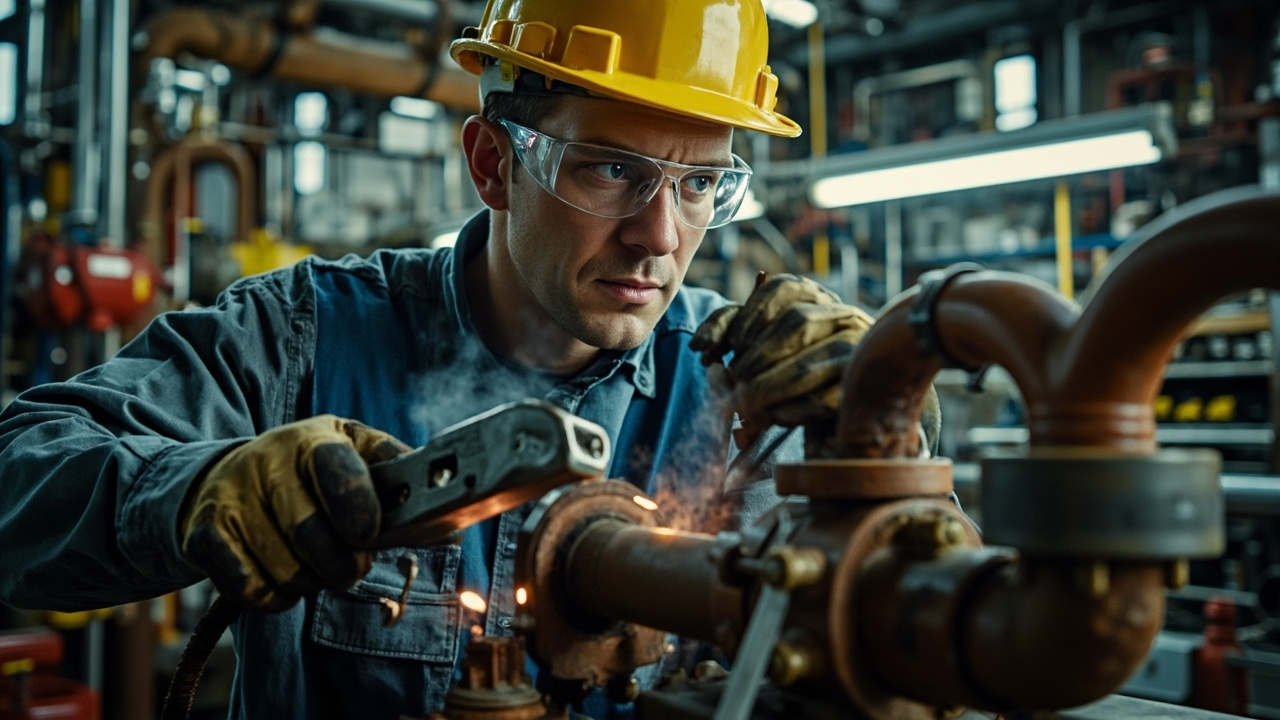
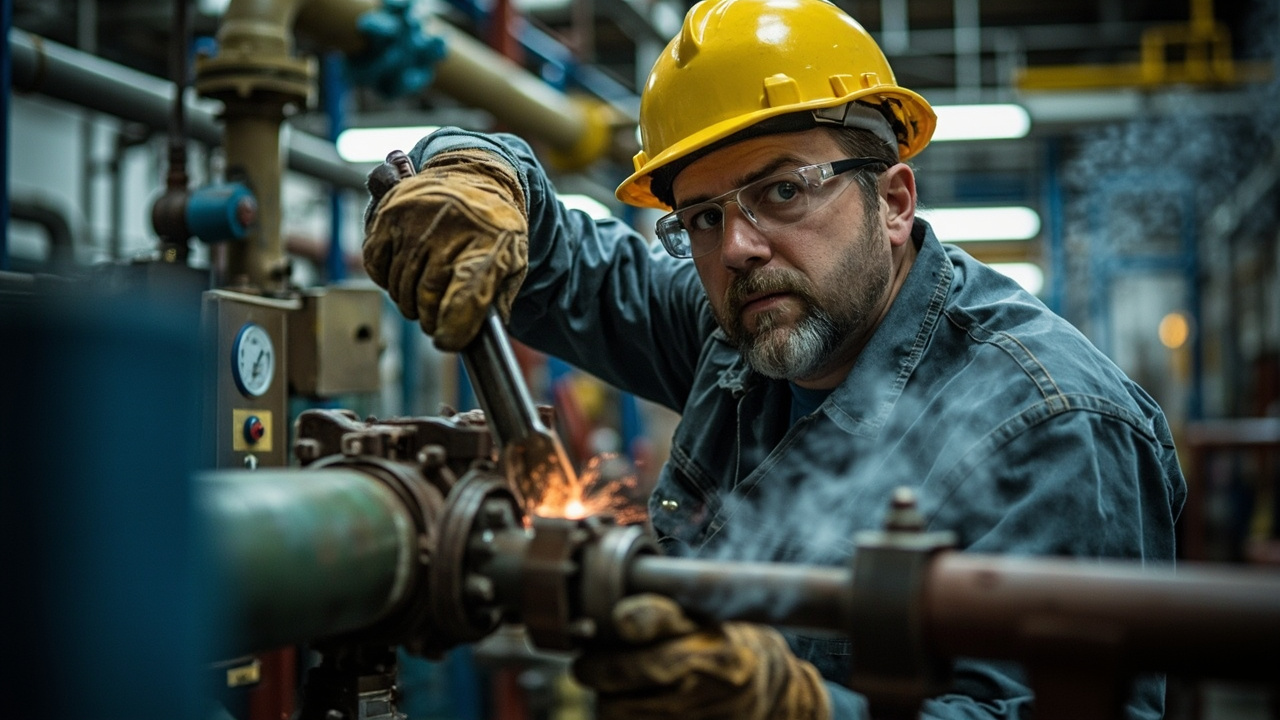
Hartford's position as a historical manufacturing center means many facilities operate piping systems installed between 1950 and 1980, when carbon steel specifications and welding practices differed from modern standards. These legacy systems face accelerated degradation from Connecticut's freeze-thaw cycles, which stress piping supports and create thermal fatigue in restraint points. The Connecticut River valley's humidity accelerates external corrosion on insulated steam and hot water lines. Industrial facilities near the riverfront experience higher atmospheric corrosion rates than inland locations. Process piping repair in Hartford requires understanding how decades of thermal cycling have affected material properties and where original installation practices may not meet current code requirements.
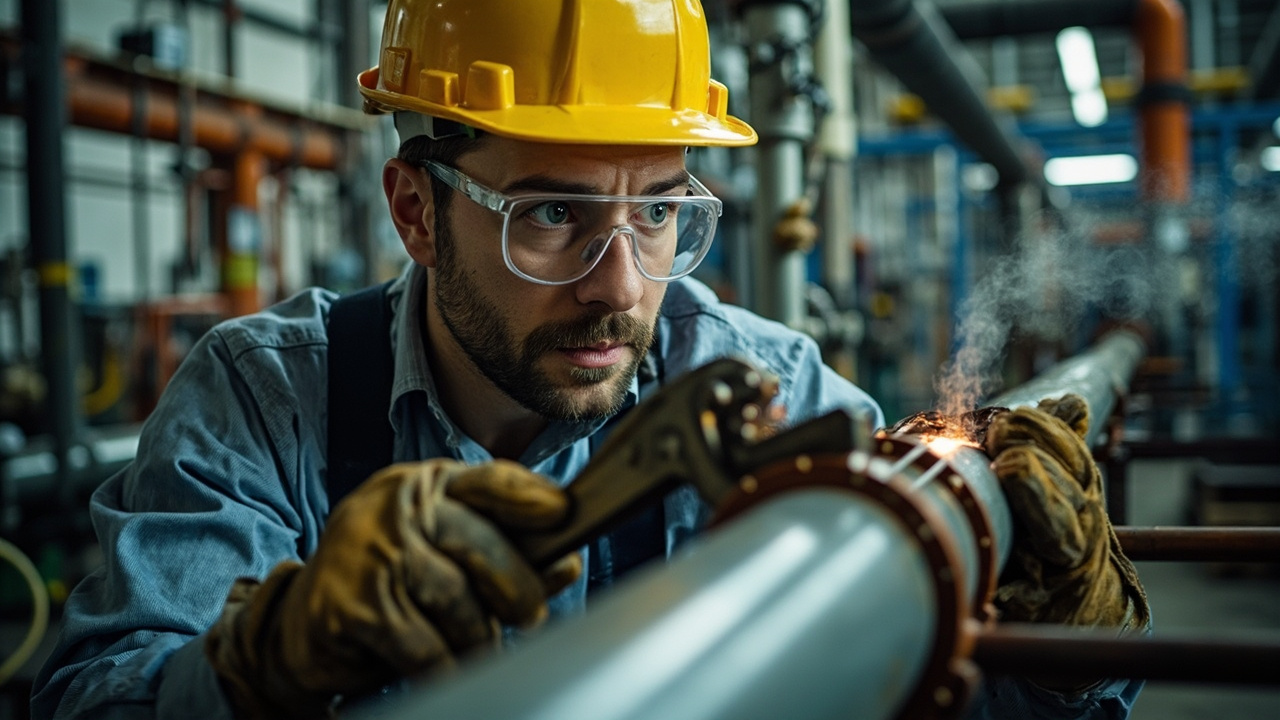
Hartford's industrial facilities operate under Connecticut's rigorous inspection regime. The state's Boiler and Pressure Vessel Division enforces strict repair and alteration requirements. Industrial pipeline repair affecting pressure piping requires documented weld procedures, certified welders, and inspector-witnessed pressure tests. Five Star Plumbing Hartford maintains established relationships with Connecticut state inspectors, streamlining approval processes and reducing compliance delays. Our familiarity with local jurisdictional requirements prevents costly rework and keeps your facility compliant. Hartford's manufacturing sector depends on contractors who understand both technical repair requirements and regulatory frameworks that govern industrial piping repair services.