
Plumbing Checklist for Converting a Hartford Basement into a Legal Rental Unit
Converting your Hartford basement into a legal rental unit requires navigating complex plumbing codes and permit requirements. The Connecticut State Building Code mandates specific plumbing infrastructure for basement apartments including sewage ejector pumps backwater valves and proper venting systems. Without these components your basement conversion violates state law and could result in fines or forced removal of the rental unit. Connecticut State Building Code.
The Hartford Department of Development Services requires permits for all basement plumbing work. A licensed master plumber must perform installations and coordinate inspections with the building inspector. Key components include a properly sized sewage ejector pump to handle waste from below-grade fixtures a backwater valve to prevent municipal sewer backups and adequate drain-waste-vent systems to maintain proper airflow and prevent dangerous sewer gas accumulation. Hartford Department of Development Services.
Connecticut winters pose unique challenges for basement plumbing. Frozen pipes burst water lines and condensation on cold supply lines can cause significant damage. Hartford’s older housing stock particularly in neighborhoods like the West End and Blue Hills often requires extensive plumbing upgrades to meet current code standards. The Connecticut State Plumbing Code requires minimum ceiling heights of 7 feet for habitable spaces and specific fixture clearances that affect basement layout planning. Who to Call for 24 Hour Emergency Plumbing Help in East Hartford.
Understanding Connecticut State Plumbing Code Requirements
The Connecticut State Building Code based on the International Plumbing Code requires basement apartments to meet specific standards. Section P2503 addresses drainage systems requiring a minimum slope of 1/4 inch per foot for horizontal drain pipes. Section P3004 mandates proper venting for all fixtures with specific requirements for island sinks and basement installations. Plumbing East Hampton.
Connecticut law requires separate water meters for rental units in single-family homes. The MDC (Metropolitan District Commission) mandates individual metering to ensure fair billing and prevent cross-contamination between units. Backflow prevention devices are required on all water service lines to protect the public water supply from contamination.. Read more about How to Prevent Basement Flooding During the New England Spring Thaw.
The code also specifies minimum fixture requirements. A legal basement apartment must have at least one full bathroom with a toilet sink and shower or tub. Kitchens require a sink with hot and cold water supply and proper drainage. All fixtures must connect to approved drainage systems with appropriate traps and vents.. Read more about Solving Frequent Drain Blockages in Frog Hollow Multi Family Buildings.
Essential Components: Sewage Ejector Pumps and Backwater Valves
Sewage ejector pumps are critical for basement apartments since waste cannot flow uphill by gravity. These pumps collect waste from toilets sinks and floor drains in a sealed tank then pump it up to the main sewer line. Hartford’s high water table particularly near the Connecticut River makes proper pump sizing and installation essential. Repair Your West Hartford Sewer Line Without Digging Up the Yard.
Backwater valves prevent sewage from flowing back into your basement during heavy rains or municipal sewer overflows. Hartford’s combined sewer system in older neighborhoods like Downtown and Frog Hollow creates backflow risks during storms. The valve contains a one-way flap that closes when water tries to flow backward protecting your basement from contamination. Signs You Need Sewer Repair.
Proper pump sizing requires calculating fixture units. A typical basement bathroom with toilet sink and shower equals approximately 5 fixture units. Add kitchen sink (2 units) and any additional fixtures to determine total load. Most residential ejector pumps range from 1/2 to 3/4 horsepower with pumping capacities of 4000-7000 gallons per hour.. Read more about How to Choose the Best Kitchen Sink Material for Your West Hartford Remodel.
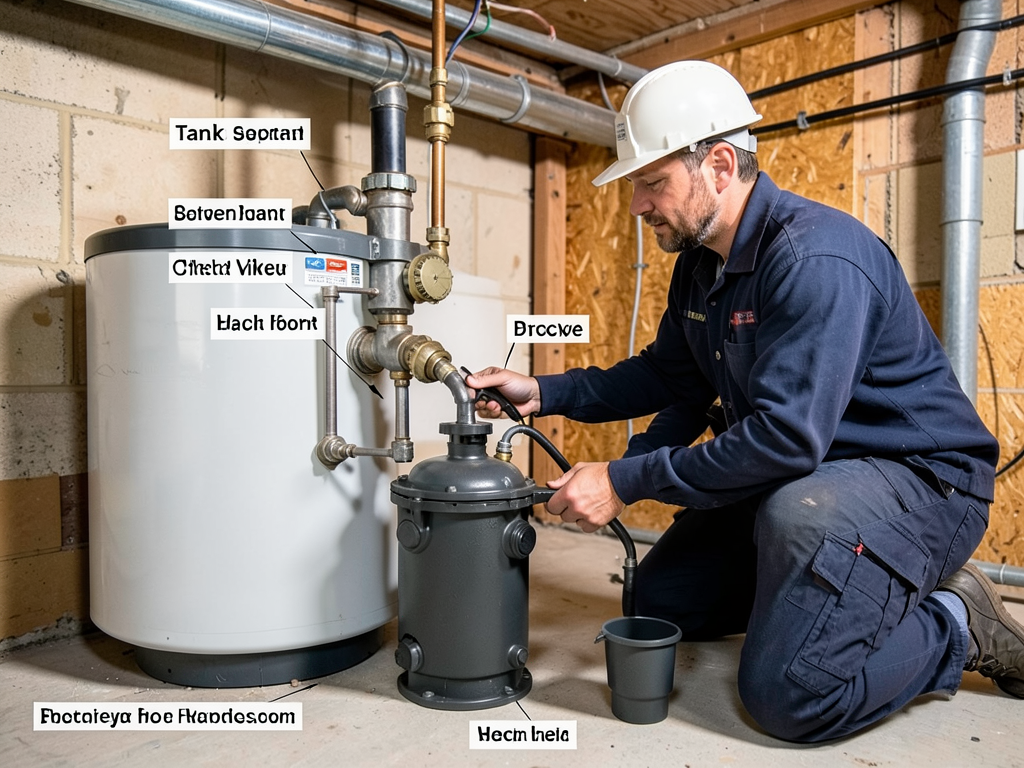
Image shows a sewage ejector pump installation with clear labels for tank basin check valve and discharge pipe demonstrating proper basement waste handling system.
Hartford Permit Requirements for Accessory Dwelling Units
The City of Hartford requires building permits for all basement apartment conversions. The permit process includes plan review by the building department plumbing inspections and final approval before occupancy. Permit fees vary based on project scope but typically range from $500 to $2000 for basement conversions.. Read more about What Every Hartford Homeowner Should Know About the City Lead Pipe Replacement Program.
Plans must be submitted by a licensed architect or engineer showing floor plans electrical layouts and plumbing schematics. The Hartford Zoning Board reviews proposals to ensure compliance with density requirements parking mandates and setback regulations. Most basement apartments require a minimum of one off-street parking space per unit.. Read more about Why Your Hartford Business Should Consider a Tankless Electric Water Heater for Hand Washing Sinks.
Inspections occur at multiple stages. Rough plumbing inspection verifies proper pipe installation before walls close. Final plumbing inspection ensures all fixtures function correctly and meet code requirements. The building inspector also checks egress windows smoke detectors and other safety features required for legal rental units.. Read more about Why Your Clay Arsenal Apartment Building Has Such Inconsistent Water Temps.
Venting Requirements: Why Proper Airflow is Critical in Basements
Proper venting prevents sewer gases from entering living spaces and maintains drain flow. Basement fixtures require special venting considerations since traditional roof vents may not be feasible. Air admittance valves (AAVs) provide an alternative allowing air into the system while preventing gas escape.. Read more about Stop Sewer Backups for Good with a Professional Backwater Valve.
The Connecticut Plumbing Code requires vents to be at least 1.5 inches in diameter for bathroom groups. Each fixture trap must maintain a water seal minimum 2 inches deep to block sewer gases. Improper venting causes slow drainage gurgling sounds and potential health hazards from methane and hydrogen sulfide gases.. Read more about Plumbing Essentials for Building a Tiny Home or ADU in Bloomfield.
Basement venting often requires creative solutions. Individual fixture vents can connect to a common vent stack that exits through an exterior wall rather than the roof. AAVs installed in accessible locations provide code-compliant alternatives when traditional venting proves impractical due to basement depth or existing construction.. Read more about Installing ADA Compliant Toilets and Grab Bars for Seniors in Southwest Hartford.
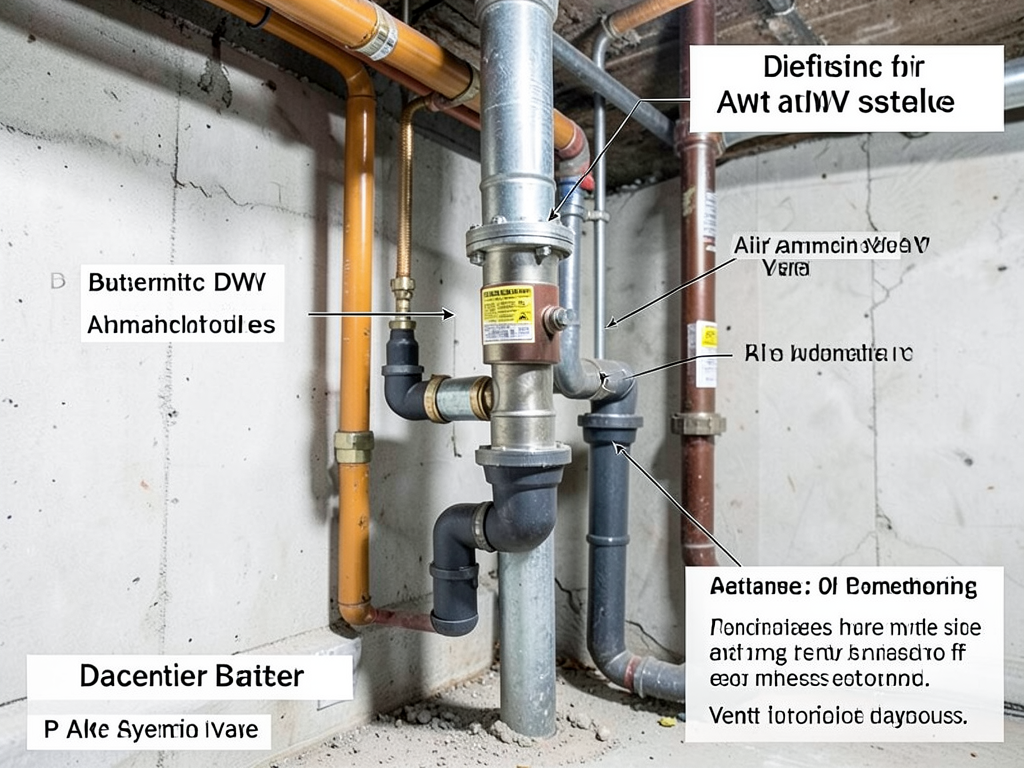
Image shows a diagnostic view of a basement DWV system with air admittance valves P-traps and vent connections clearly labeled for educational purposes.
Bathroom vs. Kitchen Plumbing: Specific Requirements
Bathroom plumbing requires precise fixture spacing and drainage connections. Toilets need 15 inches of clearance from side walls and 21 inches of front clearance. Showers require waterproof membranes and proper slope to drain. All bathroom fixtures connect to the main waste line through a properly sized drain system.
Kitchen plumbing demands adequate hot water supply and proper drainage for food waste. Garbage disposals require dedicated 120-volt circuits and proper drainage connections. Dishwashers need both hot water supply and drain connections with air gaps to prevent backflow contamination.
Connecticut code requires water hammer arrestors on quick-closing valves like washing machine supplies and dishwasher connections. These devices prevent pipe banging and potential damage to plumbing connections. Hot water recirculation systems improve efficiency in basement units where fixtures are far from the main water heater.
Common Challenges: Concrete Trenching and Gravity Lines
Breaking through concrete floors represents one of the most challenging aspects of basement plumbing. Jackhammering creates dust and vibration that can damage existing structures. Professional plumbers use dust containment systems and carefully map existing utilities before cutting concrete to avoid damaging electrical lines or HVAC ducts.. Read more about Finding a Reliable Plumber to Handle Your New Britain Home Inspection Repair List.
Gravity lines require precise slope calculations. The 1/4 inch per foot minimum slope ensures proper waste flow without creating sediment buildup. In Hartford’s older homes with uneven basement floors achieving consistent slope often requires creative solutions like adjustable fittings or strategic pipe routing through walls rather than floors.
Concrete patching after plumbing installation requires proper techniques to prevent future cracking. Expansion joints accommodate concrete movement while maintaining waterproof seals. Professional plumbers use hydraulic cement and proper curing compounds to ensure durable repairs that won’t compromise the basement’s structural integrity.. Read more about Professional Gas Range and Cooktop Hookups for Your Newington Kitchen Remodel.
Estimated Costs and Timeline for Basement Plumbing in Hartford
Basement apartment plumbing costs vary significantly based on existing conditions and project scope. Basic bathroom installations typically range from $8000 to $15000 including fixtures and labor. Complete basement apartment conversions with kitchen bathroom and laundry facilities often cost $20000 to $40000.
Timeline expectations depend on project complexity and permit approval speed. Simple bathroom additions require 2-3 weeks for plumbing rough-in and fixture installation. Complete basement conversions typically need 6-8 weeks including permit processing rough plumbing finish work and final inspections.
Additional costs often arise during demolition. Unexpected issues like deteriorated cast iron pipes outdated electrical systems or asbestos-containing materials can extend timelines and increase costs. Professional plumbers include contingency allowances in estimates to account for these common discoveries during basement renovations.
Image shows a before and after comparison of a Hartford basement plumbing conversion with diagnostic labels highlighting key code compliance features and installation techniques.
Water Heater Capacity and Energy Efficiency Requirements
Basement apartments require adequate hot water capacity for multiple occupants. Standard 40-gallon water heaters often prove insufficient for simultaneous bathroom and kitchen use. Tankless water heaters provide on-demand hot water without storage losses making them ideal for basement apartments where space is limited. Making the Switch to Tankless Water Heaters in Glastonbury.
Connecticut energy codes require minimum insulation on all hot water pipes. Basement installations benefit from pipe insulation to prevent heat loss and reduce energy costs. The Connecticut Energy Conservation Code mandates specific R-values for pipe insulation based on pipe diameter and operating temperature.
Gas water heaters require proper venting to prevent carbon monoxide accumulation. Basement installations need either power venting or direct venting systems that bring combustion air from outside. Electric water heaters eliminate venting concerns but require adequate electrical service and may have higher operating costs.
Final Inspection and Occupancy Requirements
Final inspections verify all plumbing work meets code requirements. The inspector checks for proper trap seals adequate venting and functional fixtures. All gas lines require pressure testing and visible leak checks. Water pressure and flow rates must meet minimum standards for the number of fixtures installed.
Occupancy permits require passing all inspections including plumbing electrical and building. Smoke detectors carbon monoxide alarms and proper egress windows must be installed and functioning. The Hartford Fire Marshal reviews fire safety features before issuing final occupancy approval.
Professional plumbers coordinate with other trades to ensure timely completion. Electrical work must be complete before final plumbing inspection since inspectors check for proper fixture bonding and GFCI protection in wet areas. HVAC work affects ventilation requirements so coordination prevents inspection failures and delays.
Maintenance Requirements for Basement Plumbing Systems
Regular maintenance prevents costly emergency repairs. Sewage ejector pumps require annual cleaning and testing. The pump should activate when the tank reaches the proper level and shut off when empty. Backwater valves need periodic inspection to ensure the flap moves freely and seals properly.
Floor drains in basements require regular cleaning to prevent clogs. Pour water into unused drains monthly to maintain trap seals and prevent sewer gas entry. Check for slow drainage which indicates partial clogs requiring professional cleaning before complete blockages occur.
Water pressure testing helps identify supply line issues before they cause damage. Pressure below 40 psi indicates supply problems while pressure above 80 psi can damage fixtures and cause leaks. Professional plumbers use pressure gauges to diagnose supply issues and recommend appropriate solutions.
Why Professional Installation Matters
Professional plumbers understand Hartford’s unique challenges including high water tables aging infrastructure and strict code requirements. DIY plumbing often violates codes creating liability issues and potential fines. Professional installation includes proper permits inspections and warranties that protect your investment.
Experienced plumbers identify potential problems before they become emergencies. They recognize signs of deteriorating pipes improper venting or inadequate drainage that homeowners might miss. Professional installation prevents costly callbacks and ensures your basement apartment meets all legal requirements for rental occupancy.
Insurance companies may deny claims for water damage caused by unpermitted plumbing work. Professional installation with proper permits and inspections provides documentation that protects you from liability and ensures coverage for future claims.
Frequently Asked Questions
Do I need a permit for basement plumbing in Hartford?
Yes. The City of Hartford requires building permits for all basement plumbing work including fixture installation and pipe replacement. Permits ensure work meets Connecticut State Building Code requirements and passes required inspections.
How much does a basement ejector pump cost to install?
Installation costs range from $2500 to $5000 depending on pump capacity and installation complexity. This includes the pump basin piping and electrical connections. High-capacity pumps for multiple fixtures cost more than basic units for single bathrooms.
Can I install plumbing myself in my basement apartment?
No. Connecticut law requires licensed master plumbers to perform all plumbing work. DIY plumbing violates state law and may result in fines required removal of work and insurance claim denials if problems occur.
How long does basement plumbing take to complete?
Basic bathroom installations require 2-3 weeks. Complete basement apartments with kitchen and bathroom need 6-8 weeks including permit processing rough plumbing finish work and final inspections. Timeline varies based on project complexity and permit approval speed.
What happens if I skip permits and inspections?
Unpermitted work violates building codes and zoning laws. You may face fines required removal of work inability to obtain occupancy permits and insurance claim denials. The city can also force you to remove illegal rental units.
- Plan Your Layout
Design your basement apartment layout including bathroom kitchen and living areas. Consider egress window locations and utility access points.
- Obtain Permits
Submit plans to Hartford Building Department for permit approval. Include plumbing electrical and structural drawings showing compliance with all codes.
- Install Plumbing Infrastructure
Install sewage ejector pump backwater valve and main drain lines. Coordinate with other trades for proper sequencing of work.
- Complete Rough Inspections
Schedule rough plumbing inspection before closing walls. Inspector verifies proper pipe installation venting and support systems.
- Finish and Final Inspection
Complete finish work install fixtures and schedule final inspection. Pass all inspections to obtain occupancy permit.
Converting your Hartford basement into a legal rental unit requires careful planning proper permits and professional plumbing installation. The process involves navigating Connecticut State Building Code requirements Hartford permit regulations and specific basement challenges like sewage pumping and proper venting. Without professional expertise you risk code violations fines and potential removal of your rental unit.
Professional plumbers understand local requirements and can guide you through the entire process from initial design to final inspection. They ensure your basement apartment meets all legal requirements provides safe living conditions for tenants and protects your investment from costly mistakes and liability issues.
Ready to start your basement conversion? Call (860) 743-9699 today to schedule a consultation with our licensed Hartford plumbers. We’ll review your plans identify potential challenges and provide a detailed estimate for bringing your basement apartment up to code. Don’t risk fines or forced removal of your rental unit. Professional installation ensures your basement conversion meets all Connecticut requirements and provides safe comfortable housing for your tenants.
Pick up the phone and call (860) 743-9699 before the next storm hits. Hartford’s high water table and aging sewer systems create backflow risks that can flood your basement without proper backwater valves and ejector pumps. Our experienced team installs code-compliant systems that protect your investment and keep your tenants safe year-round.. Read more about The Hidden Risks of Doing Your Own Plumbing Repairs in New Britain.
You may also find this helpful. Choosing Between PEX-A and PEX-B for Your Newington Whole-Home Repipe.
You may also find this helpful. Comparing Different Types of Toilet Flushing Systems for Maximum Power.
{
“@context”: “https://schema.org”,
“@type”: “BlogPosting”,
“headline”: “Plumbing Checklist for Converting a Hartford Basement into a Legal Rental Unit”,
“description”: “Complete Hartford basement plumbing compliance guide covering Connecticut codes, ejector pumps, permits, and ADU requirements for legal basement rentals.”,
“wordCount”: 2427,
“datePublished”: “2026-06-11T08:25:00.000Z”,
“dateModified”: “2026-06-11T08:25:00.000Z”,
“inLanguage”: “en-US”,
“mainEntityOfPage”: {
“@type”: “WebPage”,
“@id”: “https://fivestarplumbinghartford.com”
},
“publisher”: {
“@type”: “LocalBusiness”,
“name”: “Five Star Plumbing Hartford”,
“url”: “https://fivestarplumbinghartford.com”
},
“author”: {
“@type”: “Organization”,
“name”: “Five Star Plumbing Hartford”,
“url”: “https://fivestarplumbinghartford.com”
},
“image”: {
“@type”: “ImageObject”,
“url”: “https://fivestarplumbinghartford.com/wp-content/uploads/2026/03/plumbing-checklist-for-converting-a-hartford-basem-1.png”
}
}
{
“@context”: “https://schema.org”,
“@type”: “Plumber”,
“name”: “Five Star Plumbing Hartford”,
“url”: “https://fivestarplumbinghartford.com”,
“address”: {
“@type”: “PostalAddress”,
“addressLocality”: “Hartford”
},
“areaServed”: {
“@type”: “City”,
“name”: “Hartford”
}
}
{
“@context”: “https://schema.org”,
“@type”: “FAQPage”,
“mainEntity”: [
{
“@type”: “Question”,
“name”: “Do I need a permit for basement plumbing in Hartford?”,
“acceptedAnswer”: {
“@type”: “Answer”,
“text”: “Yes. The City of Hartford requires building permits for all basement plumbing work including fixture installation and pipe replacement. Permits ensure work meets Connecticut State Building Code requirements and passes required inspections.”
}
},
{
“@type”: “Question”,
“name”: “How much does a basement ejector pump cost to install?”,
“acceptedAnswer”: {
“@type”: “Answer”,
“text”: “Installation costs range from $2500 to $5000 depending on pump capacity and installation complexity. This includes the pump basin piping and electrical connections. High-capacity pumps for multiple fixtures cost more than basic units for single bathrooms.”
}
},
{
“@type”: “Question”,
“name”: “Can I install plumbing myself in my basement apartment?”,
“acceptedAnswer”: {
“@type”: “Answer”,
“text”: “No. Connecticut law requires licensed master plumbers to perform all plumbing work. DIY plumbing violates state law and may result in fines required removal of work and insurance claim denials if problems occur.”
}
},
{
“@type”: “Question”,
“name”: “How long does basement plumbing take to complete?”,
“acceptedAnswer”: {
“@type”: “Answer”,
“text”: “Basic bathroom installations require 2-3 weeks. Complete basement apartments with kitchen and bathroom need 6-8 weeks including permit processing rough plumbing finish work and final inspections. Timeline varies based on project complexity and permit approval speed.”
}
},
{
“@type”: “Question”,
“name”: “What happens if I skip permits and inspections?”,
“acceptedAnswer”: {
“@type”: “Answer”,
“text”: “Unpermitted work violates building codes and zoning laws. You may face fines required removal of work inability to obtain occupancy permits and insurance claim denials. The city can also force you to remove illegal rental units.”
}
}
]
}
{
“@context”: “https://schema.org”,
“@type”: “HowTo”,
“name”: “How to Convert Your Basement Legally”,
“step”: [
{
“@type”: “HowToStep”,
“position”: 1,
“name”: “Plan Your Layout”,
“text”: “Design your basement apartment layout including bathroom kitchen and living areas. Consider egress window locations and utility access points.”
},
{
“@type”: “HowToStep”,
“position”: 2,
“name”: “Obtain Permits”,
“text”: “Submit plans to Hartford Building Department for permit approval. Include plumbing electrical and structural drawings showing compliance with all codes.”
},
{
“@type”: “HowToStep”,
“position”: 3,
“name”: “Install Plumbing Infrastructure”,
“text”: “Install sewage ejector pump backwater valve and main drain lines. Coordinate with other trades for proper sequencing of work.”
},
{
“@type”: “HowToStep”,
“position”: 4,
“name”: “Complete Rough Inspections”,
“text”: “Schedule rough plumbing inspection before closing walls. Inspector verifies proper pipe installation venting and support systems.”
},
{
“@type”: “HowToStep”,
“position”: 5,
“name”: “Finish and Final Inspection”,
“text”: “Complete finish work install fixtures and schedule final inspection. Pass all inspections to obtain occupancy permit.”
}
],
“image”: “https://fivestarplumbinghartford.com/wp-content/uploads/2026/03/plumbing-checklist-for-converting-a-hartford-basem-1.png”
}
{
“@context”: “https://schema.org”,
“@type”: “BreadcrumbList”,
“itemListElement”: [
{
“@type”: “ListItem”,
“position”: 1,
“name”: “Home”,
“item”: “https://fivestarplumbinghartford.com”
},
{
“@type”: “ListItem”,
“position”: 2,
“name”: “Blog”,
“item”: “https://fivestarplumbinghartford.com/blog”
},
{
“@type”: “ListItem”,
“position”: 3,
“name”: “Plumbing Checklist for Converting a Hartford Basement into a Legal Rental Unit”
}
]
}
{
“@context”: “https://schema.org”,
“@type”: “Service”,
“serviceType”: “Plumbing”,
“provider”: {
“@type”: “LocalBusiness”,
“name”: “Five Star Plumbing Hartford”,
“url”: “https://fivestarplumbinghartford.com”
},
“areaServed”: {
“@type”: “City”,
“name”: “Hartford”
},
“description”: “Complete Hartford basement plumbing compliance guide covering Connecticut codes, ejector pumps, permits, and ADU requirements for legal basement rentals.”
}