

menu

Apartment Complex Plumbing in Hartford – Minimize Downtime and Protect Your Property Investment

Five Star Plumbing Hartford delivers multi-family plumbing services engineered to keep your apartment building operational, preserve tenant satisfaction, and prevent costly emergency shutdowns across Hartford's diverse residential properties.

Slider Image 1
Slider Image 2
Slider Image 3
Slider Image 4
Slider Image 5
Slider Image 7
Slider Image 8
Slider Image 9
Slider Image 10
Slider Image 11

The Real Cost of Plumbing Failures in Hartford Multi-Family Properties

Hartford's aging housing stock presents unique challenges for property managers overseeing apartment buildings. Many multi-unit residential structures in neighborhoods like Asylum Hill and the South End were constructed between 1920 and 1960, when cast iron drain lines and galvanized steel supply pipes were standard. These materials corrode from the inside out, creating blockages you cannot see until water backs up into multiple units simultaneously.

The freeze-thaw cycles Hartford experiences each winter add another layer of complexity. When temperatures drop below freezing for extended periods, then spike above 40 degrees, pipe joints expand and contract. In apartment complexes with shared walls and vertical plumbing stacks, a single joint failure on an upper floor can cascade water damage through three or four units below. Each affected apartment represents lost rent, displaced tenants, and potential liability exposure.

Commercial plumbing for apartments demands a different approach than single-family homes. You are managing simultaneous water usage across dozens of fixtures, shared hot water systems that must recover quickly, and drainage systems handling ten times the volume of a residential property. When a main line fails in a 40-unit building, you are not dealing with one inconvenienced family. You face 40 households without working toilets, potential health code violations, and mounting pressure to restore service immediately.

The cost of reactive maintenance far exceeds preventive intervention. Property managers who treat apartment building plumbing as an afterthought face emergency service calls, expedited repair premiums, and tenant turnover that erodes profitability.

The Real Cost of Plumbing Failures in Hartford Multi-Family Properties
How Professional Multi-Family Plumbing Systems Operate Differently

How Professional Multi-Family Plumbing Systems Operate Differently

Apartment complex plumbing maintenance requires understanding pressure differentials across multiple stories. In a three-story building, fixtures on the ground floor experience 30 PSI more pressure than third-floor units. This imbalance causes ground-floor fixtures to wear faster and increases the risk of pinhole leaks in copper supply lines. We calculate pressure zones and install pressure-reducing valves at strategic points to equalize force across the entire system.

Main drain stacks in multi-unit residential plumbing function as the spine of your waste system. These vertical pipes carry sewage from every floor to your building's main sewer connection. When tenants flush non-flushable items or pour grease down drains, debris accumulates at stack bends and horizontal branch connections. We use rotary cable machines with root-cutting heads to clear these critical junctions, then follow with hydro-jetting to remove residual buildup coating pipe walls.

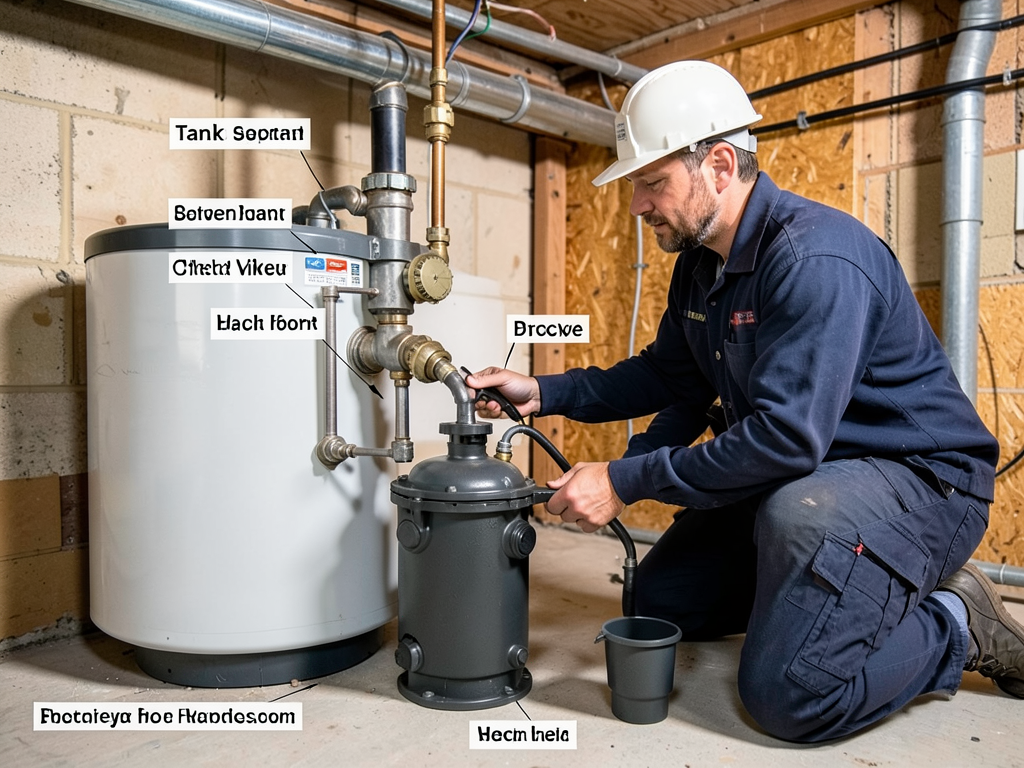
Water heater capacity in apartment buildings determines tenant satisfaction and operational efficiency. A 40-gallon residential unit cannot support back-to-back showers across multiple units. We size commercial water heaters based on fixture unit counts and peak demand periods. For buildings with 20-plus units, we often recommend installing multiple heaters in a manifold configuration, which provides redundancy if one unit fails and reduces recovery time during high-usage hours.

Backflow prevention is not optional in commercial plumbing for apartments. Hartford's water authority requires annual testing of backflow assemblies to prevent contaminated water from entering the municipal supply. We install testable double-check valves or reduced pressure zone devices on your main service line, then coordinate inspection schedules to maintain compliance without disrupting tenant access.

What Happens During Your Multi-Family Plumbing Service

Apartment Complex Plumbing in Hartford – Minimize Downtime and Protect Your Property Investment
01

Building Assessment and Documentation

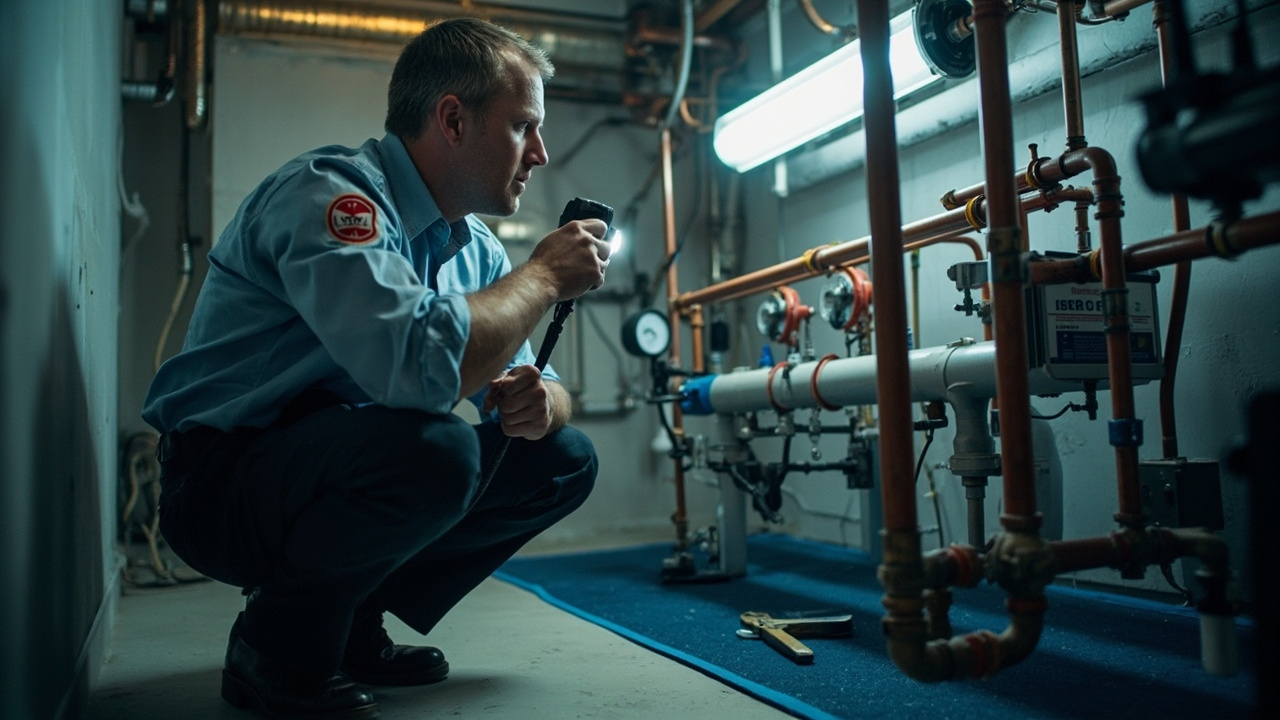
We map your entire plumbing system, identifying main shutoff locations, risers, and access panels. This includes photographing water heater installations, noting pipe materials visible in mechanical rooms, and documenting fixture counts per floor. Property managers receive a digital schematic showing critical infrastructure points, which proves valuable during emergencies when quick shutoffs prevent extensive water damage.
02

Systematic Diagnostics and Prioritization

Using pressure gauges and flow meters, we test water delivery at multiple points throughout your building. Camera inspection of drain lines reveals hidden corrosion, root intrusion, or structural defects before they cause failures. We classify findings into immediate repairs, near-term concerns, and long-term capital planning items. This tiered approach lets you allocate maintenance budgets strategically rather than reactively addressing crises.
03

Coordinated Repair Execution

We schedule repairs to minimize tenant disruption, often working during business hours when most residents are away. For major interventions requiring water shutoffs, we provide advance notice and establish realistic restoration timelines. After completing work, we pressure-test all connections and verify proper drainage before restoring full service. You receive documentation of materials used and warranty information for insurance and compliance records.

Why Hartford Property Managers Choose Specialized Multi-Family Expertise

Managing apartment building plumbing in Hartford requires familiarity with the Connecticut State Building Code, specifically Chapter 29 governing plumbing systems in residential occupancies. This code mandates specific fixture-to-occupant ratios, venting requirements for drain systems, and minimum pipe sizes for multi-unit buildings. Technicians unfamiliar with these standards may install undersized components that fail inspection or create chronic performance issues.

Hartford's neighborhoods present distinct infrastructure challenges. Properties near the Connecticut River in the Sheldon-Charter Oak area deal with higher water tables, which can cause foundation seepage and affect below-grade plumbing installations. Buildings in the West End, with their century-old construction, often feature outdated plumbing concealed behind plaster walls, requiring non-invasive diagnostic approaches to avoid unnecessary demolition.

Five Star Plumbing Hartford maintains relationships with local property management companies and understands the operational realities you face. We know you need accurate time estimates because your tenants hold you accountable. We provide transparent assessments that distinguish between must-fix-now problems and issues you can defer to the next budget cycle. This honesty builds trust and helps you avoid vendor relationships based on fear-selling unnecessary services.

Our inventory includes commercial-grade parts unavailable at retail suppliers. When a boiler circulator fails or a pressure-reducing valve needs replacement, we carry stock that fits Hartford's common building configurations. This eliminates the multi-day delays typical of vendors who must special-order components for apartment complex applications.

We also understand tenant communication matters. When repairs affect water access, we provide template notices you can post in common areas, explaining the scope of work and expected completion times. This proactive communication reduces complaint calls to your office.

What to Expect When You Schedule Multi-Family Plumbing Services

Response Times for Property Management

For routine maintenance appointments, we provide three-hour arrival windows and call 30 minutes before arrival. Emergency calls involving water shutoffs or sewage backups receive same-day response, with technicians dispatched within two hours during business hours. We understand that every hour of downtime affects your bottom line and tenant satisfaction scores. After-hours emergencies are handled through our dispatch line, ensuring you have access when main line failures occur at midnight. We prioritize multi-family properties because the scope of impact justifies immediate intervention.

Comprehensive Property Evaluation Process

Initial assessments include visual inspection of mechanical rooms, testing water pressure at multiple fixtures across different floors, and camera inspection of accessible drain lines. We check water heater age and capacity against current occupancy, examine exposed piping for corrosion patterns, and test all shutoff valves for functionality. Property managers receive a written report categorizing findings by urgency level, with photo documentation of significant concerns. This evaluation becomes a baseline for tracking system degradation and planning capital improvements. We explain technical findings in terms of operational impact and financial risk.

Quality Standards for Multi-Unit Work

Every repair meets Connecticut plumbing code requirements and manufacturer specifications for commercial applications. We use Schedule 40 PVC for drain replacements, Type L copper for supply lines, and commercial-grade fixtures rated for high-cycle use. Connections are pressure-tested before concealment, and drain work is water-tested to verify proper flow and venting. You receive documentation suitable for building department inspections if permit work was required. Our goal is installation longevity, reducing your lifecycle costs through proper material selection and workmanship that outlasts budget-grade alternatives often used by less experienced contractors.

Ongoing Maintenance and Follow-Up

We offer scheduled maintenance agreements tailored to multi-family properties, including quarterly drain line maintenance, annual water heater flushing, and backflow preventer testing coordinated with Hartford Water Department requirements. These agreements lock in pricing and guarantee priority scheduling during peak demand seasons. For major repairs, we maintain service records in our system and can provide historical data useful for property sale disclosures or insurance claims. Follow-up calls occur one week after significant repairs to confirm tenant satisfaction and system performance. This proactive approach catches secondary issues before they escalate.

Frequently Asked Questions

You Have Questions,
We Have Answers

How does plumbing in an apartment complex work? +

Apartment complex plumbing uses a centralized system where water supply and drainage lines branch vertically through risers, then distribute horizontally to individual units. Main water lines enter the building, connect to a pressure regulator, and feed branch lines to each floor. Waste lines converge into stacks that route sewage to the municipal system. In Hartford, older multi-family buildings often feature galvanized steel or cast iron pipes prone to corrosion due to freeze-thaw cycles. Modern complexes use PEX or copper for supply, PVC for drainage. This shared infrastructure means one unit's issue can affect neighbors, making preventive maintenance and rapid response critical for property managers.

Does apartment maintenance do plumbing? +

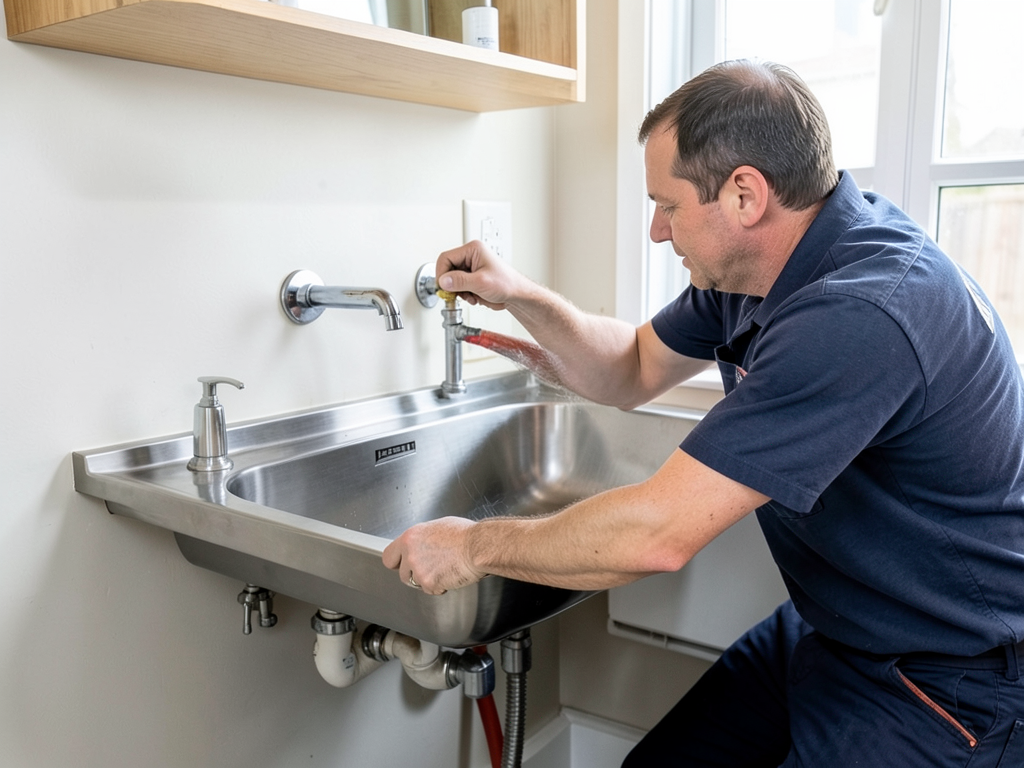
Apartment maintenance staff handle minor plumbing tasks like unclogging drains, replacing faucet aerators, or adjusting toilet fill valves. Complex repairs require licensed plumbers. Connecticut regulations mandate that work involving potable water systems, gas lines, or major drain alterations be performed by certified professionals. Most Hartford property managers maintain contracts with commercial plumbing providers for emergency response and scheduled inspections. Maintenance teams triage issues, addressing simple fixes immediately while escalating pipe bursts, sewer backups, or code compliance work to specialists. This dual approach controls costs while ensuring tenant safety and legal compliance. Always verify that complex repairs are handled by properly licensed contractors to protect liability exposure.

What is the most common plumbing issue? +

Clogged drains dominate apartment plumbing calls, caused by hair, grease, and foreign objects. In Hartford complexes, aging cast iron drain lines compound this issue, as interior corrosion narrows pipe diameter. Second most common are leaking fixtures due to worn washers, corroded valve seats, or failed supply line connections. Hartford's hard water accelerates mineral buildup, shortening fixture lifespan. Running toilets from faulty flappers waste thousands of gallons monthly, inflating water bills. Property managers should implement quarterly inspections to catch small leaks before they cause subfloor damage or mold growth. Addressing these three issues proactively reduces emergency calls and extends system longevity.

Are all pipes connected in an apartment? +

Yes, but with critical distinctions. Supply lines branch from main risers, meaning units share water pressure. If one unit has a major leak, shutting off the riser affects multiple apartments. Drain lines converge into shared stacks, so a blockage in one unit can cause backups in lower units. Hartford's older apartment buildings often lack individual shutoffs per unit, complicating emergency response. Vent stacks equalize pressure across the drainage system, connecting all units atmospherically. This interconnection creates liability concerns for property owners when tenant negligence causes system-wide damage. Modern construction includes more isolation valves, but most Hartford multi-family structures require whole-building coordination for major repairs.

What is the 135 rule in plumbing? +

The 135-degree rule refers to the maximum offset angle allowed when transitioning horizontal drain pipes to vertical stacks. Plumbing codes require fittings not exceed 135 degrees to maintain proper flow and prevent sediment buildup that causes blockages. In practice, plumbers use two 45-degree fittings or appropriate wye branches to achieve compliant transitions. This matters in apartment complexes where multiple units tie into shared stacks. Improper angles create chronic slow drains and backup risks. Hartford building inspectors enforce this during new construction and major renovations. Property managers should verify that any drain modifications follow code to avoid recurring maintenance issues and potential liability from improper installations.

Do I need to drip my faucets in an apartment complex? +

In Hartford's winter climate, dripping faucets prevents frozen pipes during extreme cold snaps, but responsibility depends on building construction and lease terms. Modern apartment complexes with proper insulation and heated pipe chases rarely require dripping. Older Hartford buildings with exterior walls or unheated spaces need preventive measures when temperatures drop below 20 degrees for extended periods. Property managers should provide written guidance on freeze prevention protocols. Commercial property owners bear liability for freeze damage from inadequate insulation or heating, while tenant negligence during advised cold periods may shift responsibility. Review your lease addendum. Proper winterization of the building envelope eliminates dripping needs and reduces water waste, a better long-term solution.

Do renters have to pay for plumbing problems? +

Tenant responsibility depends on damage origin. Landlords must maintain plumbing systems in working order per Connecticut landlord-tenant law. Normal wear, aging pipes, or system failures are owner obligations. Tenants pay for repairs caused by negligence or misuse, such as flushing inappropriate items, ignoring reported leaks, or damaging fixtures. Hartford lease agreements should explicitly define responsibilities to avoid disputes. Property managers document pre-existing conditions during move-in inspections. If a clog results from tenant actions and damages lower units, the responsible tenant faces liability. Commercial property owners should maintain detailed maintenance records and clear lease language. Ambiguous situations often require legal review to determine cost allocation and protect against frivolous claims.

What are red flags in an apartment lease? +

Review maintenance responsibility clauses carefully. Red flags include vague language shifting all plumbing repairs to tenants, inadequate emergency contact procedures, or clauses waiving landlord liability for water damage from system failures. Connecticut law prohibits lease terms that absolve owners of habitability obligations. Watch for provisions requiring tenants to perform structural repairs or pay for issues caused by building age. Unclear utility payment structures or penalties for maintenance requests signal problematic management. In Hartford's older housing stock, absence of regular inspection schedules or emergency response protocols indicates deferred maintenance risks. Verify that lease terms comply with state statutes. Consult legal counsel before signing agreements that transfer statutory landlord obligations to tenants.

Who pays for damage caused by tenants? +

Tenants pay for damage they directly cause through negligence or lease violations. If a tenant's overflow floods neighboring units, their renter's insurance or personal assets cover repairs. Landlords cannot shift costs for normal wear or systemic failures to tenants. Connecticut law requires property owners maintain habitable conditions regardless of tenant actions, but owners can pursue reimbursement through security deposits or civil claims for damages exceeding normal use. Hartford property managers should document incidents thoroughly, including photos, repair invoices, and witness statements. Tenant-caused damage affecting common areas or other units creates complex liability scenarios. Clear lease language and move-in condition documentation protect both parties. Consult legal counsel before pursuing cost recovery exceeding security deposit amounts.

How to tell if your plumber is overcharging you? +

Compare estimates from multiple licensed contractors. Excessive diagnostic fees, vague scope descriptions, or pressure for immediate payment signal problems. Legitimate plumbers provide itemized estimates separating labor, materials, and permits. Hartford's commercial plumbing rates range based on complexity and emergency timing, but transparent contractors explain cost factors. Red flags include reluctance to provide references, absence of proper licensing verification, or cash-only payment demands. Request material specifications to verify quality claims. For apartment complexes, establish relationships with reputable contractors before emergencies occur. Verify Connecticut plumbing license status through state databases. Unusual markups on standard fixtures or inflated hourly rates compared to local competitors warrant scrutiny. Document all agreements in writing before work begins.

How Hartford's Mixed-Age Housing Stock Affects Apartment Complex Plumbing Systems

Hartford's apartment buildings range from converted Victorian mansions in Asylum Hill to mid-century garden complexes in the North End and newer construction in downtown's revitalized districts. This diversity means plumbing systems vary dramatically in design and condition. Pre-1950 buildings often feature cast iron stacks prone to rust-through, while 1960s-era properties used copper supply lines that develop pinhole leaks after 50 years. Properties near Bushnell Park experience higher water pressure due to municipal main proximity, accelerating fixture wear. Understanding these location-specific factors prevents misdiagnosis and ensures repairs address root causes rather than symptoms.

Hartford's property management community relies on contractors who understand the operational demands of multi-family housing. Five Star Plumbing Hartford works with owners managing properties across Capitol Avenue, Franklin Avenue, and the Parkville neighborhood. We understand Hartford's rental market dynamics and the importance of minimizing vacancy days caused by plumbing issues. Our technicians carry proper liability coverage required by most property management agreements and can coordinate with building departments when permit work is necessary. This local expertise translates to fewer surprises, accurate estimates, and repairs that pass inspection the first time.
Plumbing Services in The Hartford Area

We are proud to serve the entire Hartford metropolitan area and surrounding communities. Use the interactive map below to view our main service radius, or contact us directly if you are just outside the highlighted zone—we often make exceptions for clients in need. We look forward to bringing our five-star plumbing service directly to your location.

Address:
Five Star Plumbing Hartford, 100 Pearl St, Hartford, CT, 06103

Additional Services We Offer

Our news updates

Latest Articles & News from The Blogs

Protecting Your Backyard Pool Plumbing During a Brutal Hartford Winter The first hard freeze in Hartford typically hits by mid-October,…

Protecting Your Backyard Pool Plumbing During a Brutal Hartford Winter

Protecting Your Backyard Pool Plumbing During a Brutal Hartford Winter The first hard freeze in Hartford typically hits by mid-October,…

Is Upgrading to a Dual-Flush Toilet Worth It for Your Hartford Home?

Is Upgrading to a Dual-Flush Toilet Worth It for Your Hartford Home? Dual-flush toilets offer two flushing options: a half…

Fixing a Sticky Kitchen Sink Sprayer Without Calling for a Full Repair

Fixing a Sticky Kitchen Sink Sprayer Without Calling for a Full Repair Your kitchen sink sprayer sticks, sprays erratically, or…

Contact Us

Protect your property investment and tenant satisfaction. Call Five Star Plumbing Hartford at (860) 743-9699 to schedule a comprehensive plumbing evaluation. We provide transparent assessments and prioritized repair recommendations tailored to your budget and operational needs.