
Living in a Clay Arsenal apartment building means dealing with inconsistent shower water temperatures is more than just annoying—it’s a safety hazard. The sudden shift from scalding hot to ice cold can happen in seconds, leaving you jumping out of the shower or risking burns. This problem is especially common in Hartford’s historic multi-family buildings where aging plumbing systems struggle to maintain consistent water pressure and temperature. Who to Call for 24 Hour Emergency Plumbing Help in East Hartford.
The good news is that most temperature fluctuation issues have specific, identifiable causes. Understanding what’s happening behind your walls can help you determine whether it’s a simple fix you can handle yourself or a situation that requires professional attention from a licensed Hartford plumber. Let’s explore the common culprits and what you can do about them. Repair Your West Hartford Sewer Line Without Digging Up the Yard.
The ‘Toilet Flush’ Effect: Understanding Pressure-Balancing Valves
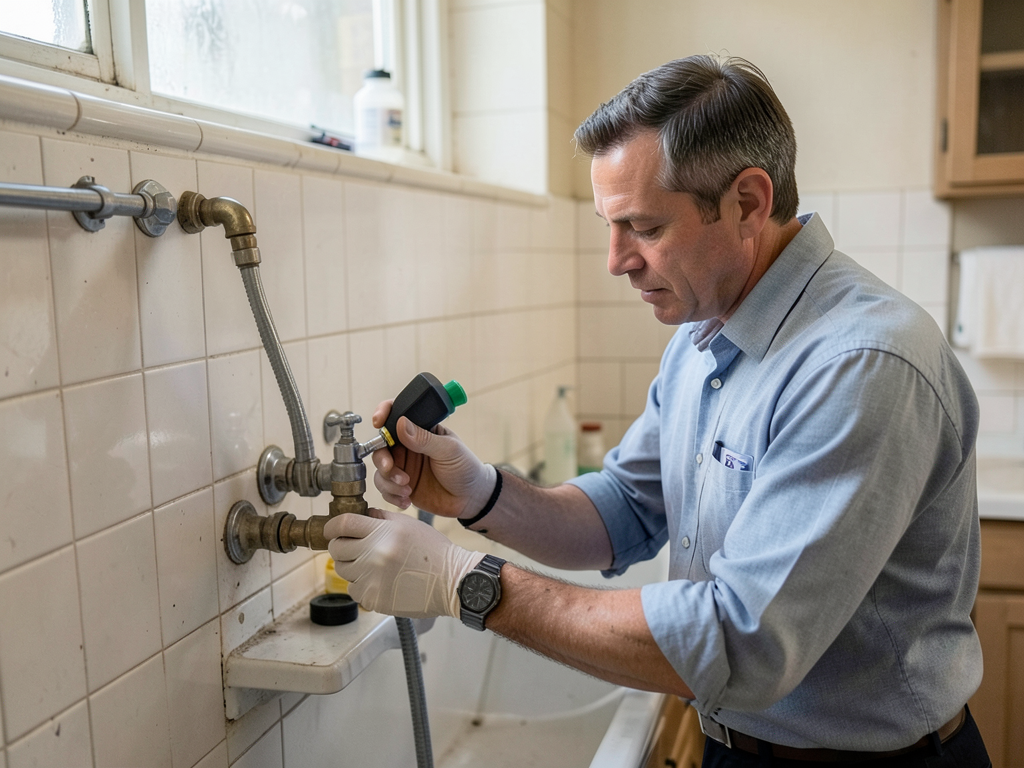
One of the most common causes of shower temperature swings in older Hartford buildings is the lack of proper pressure-balancing valves. When someone flushes a toilet or starts a washing machine on another floor, the sudden drop in cold water pressure can cause your shower to blast out scalding hot water. This happens because older systems don’t have the technology to maintain consistent temperature when water pressure fluctuates.
Pressure-balancing valves automatically adjust the hot-to-cold water ratio to maintain a steady temperature, even when pressure changes. Many Clay Arsenal buildings built before the 1990s lack these essential safety devices. According to Connecticut State Building Code Section 424.3, all new shower and tub-shower valves must be pressure-balancing or thermostatic mixing valves to prevent scalding injuries. Connecticut State Building Code Section 424.3.
The diagnostic test for this issue is simple: have someone flush a toilet while you’re in the shower. If the water temperature spikes dramatically, you’ve identified the problem. This isn’t just inconvenient—it’s dangerous. The Consumer Product Safety Commission reports that water at 140°F can cause third-degree burns in just five seconds, while water at 120°F takes five minutes to cause the same damage. Consumer Product Safety Commission scald prevention guidelines.
Water Heater Issues: Sediment Buildup and Failing Dip Tubes
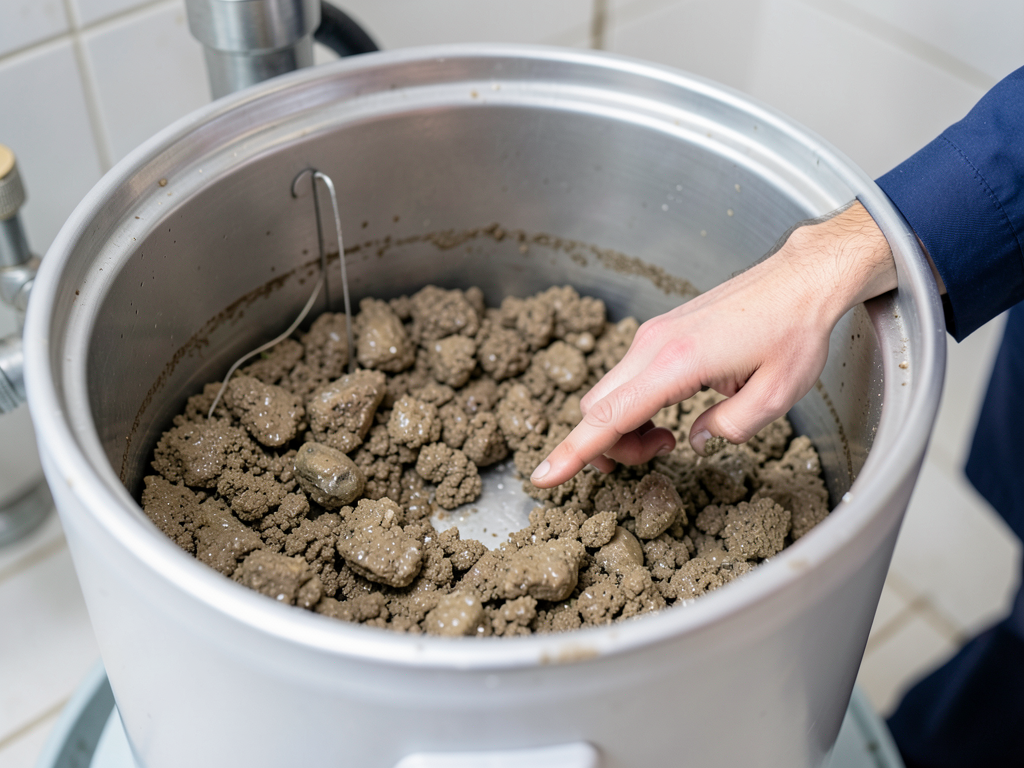
Another major contributor to inconsistent water temperatures is sediment buildup in your water heater. Hartford’s water, supplied by the Metropolitan District (MDC), contains minerals that settle at the bottom of your tank over time. This sediment layer acts as insulation between the burner and the water, making your heater work harder and less efficiently. You might notice that your hot water runs out faster than it used to, or that the temperature fluctuates throughout your shower. Making the Switch to Tankless Water Heaters in Glastonbury.
The diagnostic process for sediment issues involves checking your water heater’s performance. If you hear popping or rumbling sounds coming from the tank, that’s sediment particles hitting the sides as they heat up. You might also notice cloudy or rusty water when you first turn on the hot tap. A failing dip tube can cause similar symptoms—instead of directing cold water to the bottom of the tank for heating, a broken dip tube allows cold water to mix directly with hot water at the top, resulting in lukewarm or rapidly cooling water.
Professional plumbers in Hartford often find that water heaters in buildings over 10 years old have significant sediment issues. The MDC water quality reports show that Hartford’s water hardness averages between 100-150 mg/L, which is considered moderately hard. This mineral content accelerates sediment buildup compared to areas with softer water.
The Danger Zone: Scalding Risks and Anti-Scald Technology
Temperature fluctuations aren’t just uncomfortable—they’re dangerous. Scalding is one of the leading causes of serious burns in residential settings, particularly affecting children and elderly residents who may not react quickly to sudden temperature changes. The American Burn Association states that young children and older adults are at highest risk for scald injuries due to thinner skin and slower reaction times.
Modern anti-scald technology includes thermostatic mixing valves that maintain a preset maximum temperature regardless of pressure or supply temperature changes. These devices are now required by code in new construction and major renovations under Connecticut plumbing regulations. For existing buildings, retrofitting these valves can significantly improve safety without requiring complete system replacement. Plumbing East Hampton.
The installation process involves mounting the valve near the water heater or at individual fixtures. Thermostatic valves sense the outlet temperature and adjust the hot-to-cold ratio automatically, maintaining a consistent temperature within a few degrees. This technology eliminates both the temperature spikes from pressure changes and the gradual cooling from sediment buildup.
DIY Troubleshooting vs. Professional Repair
Before calling a professional plumber, there are several checks you can perform to identify the source of your temperature problems. Start with the simplest solutions and work your way up to more complex diagnostics.
First, check your showerhead for mineral deposits. Hartford’s hard water can clog the small holes in showerheads, restricting flow and causing pressure imbalances. Remove the showerhead and soak it in vinegar for several hours to dissolve mineral buildup. If water flow improves afterward, you’ve solved a contributing factor.
Next, inspect visible pipes for signs of corrosion or leaks. Galvanized steel pipes, common in Hartford’s older buildings, corrode from the inside out. If you notice rusty water when you first turn on the tap, or if your pipes show signs of external corrosion, you may have internal pipe degradation affecting water pressure and temperature consistency. Signs You Need Sewer Repair.
Check your water heater’s thermostat setting. It should be between 120-140°F for safe, efficient operation. Temperatures above 140°F waste energy and increase scalding risk, while temperatures below 120°F can promote bacterial growth in the tank.
If these basic checks don’t resolve the issue, it’s time to call a professional. A licensed Hartford plumber can perform pressure tests, inspect internal components, and identify problems that aren’t visible to homeowners. They can also verify that your plumbing meets current Connecticut code requirements for safety and efficiency.
Plumbing Solutions for Hartford’s Historic Homes
Clay Arsenal and other historic Hartford neighborhoods present unique plumbing challenges due to their age and construction methods. Many buildings in this area were constructed between 1890 and 1940, featuring materials and techniques that don’t meet modern standards. Understanding these challenges helps you make informed decisions about repairs and upgrades.
Galvanized steel pipes were the standard in early 20th-century construction. These pipes corrode from the inside, reducing water flow and creating pressure imbalances that contribute to temperature fluctuations. The corrosion also creates rough interior surfaces where bacteria can grow and mineral deposits accumulate more rapidly.
Another common issue in older Hartford buildings is inadequate pipe sizing. Modern fixtures require more water flow than older systems were designed to provide. When multiple fixtures operate simultaneously, pressure drops can cause significant temperature fluctuations. Upgrading to properly sized pipes or installing pressure-boosting systems can resolve these issues.
The soil composition in Hartford’s Clay Arsenal area also affects plumbing longevity. The Connecticut River Valley’s clay soil retains moisture and can accelerate pipe corrosion, particularly for metal pipes in direct contact with the soil. This environmental factor means that even well-maintained systems may need replacement sooner than in other areas.
Professional plumbers familiar with Hartford’s historic buildings understand these local factors and can recommend solutions that preserve the building’s character while meeting modern performance and safety standards. They can also navigate the permitting requirements for work in historic districts, ensuring all upgrades comply with local regulations.
Frequently Asked Questions
Why does my shower temperature change when someone else uses water?
This is typically caused by pressure-balancing valve issues. When another fixture draws water, it changes the pressure in your supply lines. Without a pressure-balancing valve, this pressure change directly affects your shower’s hot-to-cold water ratio, causing temperature fluctuations.
How often should I replace my water heater in a Clay Arsenal apartment?
Most water heaters last 8-12 years, but Hartford’s hard water and the age of many Clay Arsenal buildings often mean replacement is needed sooner. If your unit is over 10 years old and showing signs of inconsistent temperature or reduced hot water supply, replacement is likely necessary.
Can I install a pressure-balancing valve myself?
While some homeowners attempt this, it requires cutting into existing plumbing and proper calibration. Connecticut law requires licensed plumbers for most valve installations, and improper installation can create safety hazards. Professional installation ensures the valve functions correctly and meets code requirements.
What’s the difference between a pressure-balancing valve and a thermostatic mixing valve?
Pressure-balancing valves adjust the hot-to-cold ratio when pressure changes to maintain temperature. Thermostatic mixing valves sense the actual water temperature and make adjustments to keep it constant, regardless of pressure or supply temperature changes. Thermostatic valves offer more precise temperature control.
How much does it cost to fix shower temperature fluctuations?
Costs vary widely depending on the cause. Simple fixes like cleaning a showerhead might cost under $100, while replacing pressure-balancing valves or water heaters can range from $300 to $2,000 or more. A professional diagnosis is the best way to determine the specific cost for your situation.
- Check Water Heater Settings
Verify the thermostat is set between 120-140°F and that the unit is functioning properly.
- Test Pressure-Balancing
Have someone flush a toilet while you’re in the shower to see if temperature spikes dramatically.
- Inspect Showerhead
Remove and clean the showerhead to eliminate mineral deposit restrictions.
- Check for Visible Leaks
Look for signs of corrosion or moisture around pipes and fixtures.
- Monitor Usage Patterns
Note if fluctuations occur during peak usage times or specific activities.
Comparison of Temperature Control Solutions
| Solution Type | Cost Range | Installation Complexity | Best For | Lifespan |
|---|---|---|---|---|
| Pressure-Balancing Valve | $150-400 | Moderate | Single shower issues | 10-15 years |
| Thermostatic Mixing Valve | $200-500 | Moderate-High | Whole-house temperature control | 15-20 years |
| Water Heater Replacement | $800-2,500 | High | Age-related performance issues | 8-12 years |
| Complete Repiping | $2,000-8,000+ | Very High | Galvanized pipe corrosion | 50+ years |
Living with inconsistent shower temperatures in your Clay Arsenal apartment doesn’t have to be a permanent frustration. Whether you’re dealing with pressure-balancing issues, sediment buildup, or aging plumbing infrastructure, there are solutions available that can restore comfort and safety to your daily routine. The key is identifying the specific cause of your temperature fluctuations and addressing it with the appropriate fix.
Remember that some temperature fluctuation issues can indicate more serious plumbing problems that could lead to water damage or safety hazards if left unaddressed. If you’ve tried basic troubleshooting without success, or if you notice other symptoms like rusty water, unusual noises, or reduced water pressure, it’s time to consult a professional.
Don’t let inconsistent water temperatures disrupt your daily life or put your family at risk. Call (860) 743-9699 today to schedule an inspection with a licensed Hartford plumber who understands the unique challenges of Clay Arsenal’s historic buildings. We’ll diagnose the problem quickly and provide clear recommendations for restoring consistent, safe water temperatures to your home.
Pick up the phone and call (860) 743-9699 before the next storm hits. Hartford’s weather can be unpredictable, and the last thing you need is plumbing problems on top of everything else. Our experienced technicians are ready to help you solve your temperature fluctuation issues and enjoy reliable hot water again.
You may also find this helpful. Why Your South Windsor Home Needs a Hot Water Recirculating Pump.
{
“@context”: “https://schema.org”,
“@type”: “BlogPosting”,
“headline”: “Why Your Clay Arsenal Apartment Building Has Such Inconsistent Water Temps”,
“description”: “Struggling with shower temperature swings in your Clay Arsenal apartment? Learn the common causes in Hartford’s older buildings and when to call a licensed plumber.”,
“wordCount”: 1869,
“datePublished”: “2026-05-29T15:46:00.000Z”,
“dateModified”: “2026-05-29T15:46:00.000Z”,
“inLanguage”: “en-US”,
“mainEntityOfPage”: {
“@type”: “WebPage”,
“@id”: “https://fivestarplumbinghartford.com”
},
“publisher”: {
“@type”: “LocalBusiness”,
“name”: “Five Star Plumbing Hartford”,
“url”: “https://fivestarplumbinghartford.com”
},
“author”: {
“@type”: “Organization”,
“name”: “Five Star Plumbing Hartford”,
“url”: “https://fivestarplumbinghartford.com”
},
“image”: {
“@type”: “ImageObject”,
“url”: “https://fivestarplumbinghartford.com/wp-content/uploads/2026/03/why-your-clay-arsenal-apartment-building-has-such-1.png”
}
}
{
“@context”: “https://schema.org”,
“@type”: “Plumber”,
“name”: “Five Star Plumbing Hartford”,
“url”: “https://fivestarplumbinghartford.com”,
“address”: {
“@type”: “PostalAddress”,
“addressLocality”: “Hartford”
},
“areaServed”: {
“@type”: “City”,
“name”: “Hartford”
}
}
{
“@context”: “https://schema.org”,
“@type”: “FAQPage”,
“mainEntity”: [
{
“@type”: “Question”,
“name”: “Why does my shower temperature change when someone else uses water?”,
“acceptedAnswer”: {
“@type”: “Answer”,
“text”: “This is typically caused by pressure-balancing valve issues. When another fixture draws water, it changes the pressure in your supply lines. Without a pressure-balancing valve, this pressure change directly affects your shower’s hot-to-cold water ratio, causing temperature fluctuations.”
}
},
{
“@type”: “Question”,
“name”: “How often should I replace my water heater in a Clay Arsenal apartment?”,
“acceptedAnswer”: {
“@type”: “Answer”,
“text”: “Most water heaters last 8-12 years, but Hartford’s hard water and the age of many Clay Arsenal buildings often mean replacement is needed sooner. If your unit is over 10 years old and showing signs of inconsistent temperature or reduced hot water supply, replacement is likely necessary.”
}
},
{
“@type”: “Question”,
“name”: “Can I install a pressure-balancing valve myself?”,
“acceptedAnswer”: {
“@type”: “Answer”,
“text”: “While some homeowners attempt this, it requires cutting into existing plumbing and proper calibration. Connecticut law requires licensed plumbers for most valve installations, and improper installation can create safety hazards. Professional installation ensures the valve functions correctly and meets code requirements.”
}
},
{
“@type”: “Question”,
“name”: “What’s the difference between a pressure-balancing valve and a thermostatic mixing valve?”,
“acceptedAnswer”: {
“@type”: “Answer”,
“text”: “Pressure-balancing valves adjust the hot-to-cold ratio when pressure changes to maintain temperature. Thermostatic mixing valves sense the actual water temperature and make adjustments to keep it constant, regardless of pressure or supply temperature changes. Thermostatic valves offer more precise temperature control.”
}
},
{
“@type”: “Question”,
“name”: “How much does it cost to fix shower temperature fluctuations?”,
“acceptedAnswer”: {
“@type”: “Answer”,
“text”: “Costs vary widely depending on the cause. Simple fixes like cleaning a showerhead might cost under $100, while replacing pressure-balancing valves or water heaters can range from $300 to $2,000 or more. A professional diagnosis is the best way to determine the specific cost for your situation.”
}
}
]
}
{
“@context”: “https://schema.org”,
“@type”: “HowTo”,
“name”: “How to Diagnose Shower Temperature Issues”,
“step”: [
{
“@type”: “HowToStep”,
“position”: 1,
“name”: “Check Water Heater Settings”,
“text”: “Verify the thermostat is set between 120-140°F and that the unit is functioning properly.”
},
{
“@type”: “HowToStep”,
“position”: 2,
“name”: “Test Pressure-Balancing”,
“text”: “Have someone flush a toilet while you’re in the shower to see if temperature spikes dramatically.”
},
{
“@type”: “HowToStep”,
“position”: 3,
“name”: “Inspect Showerhead”,
“text”: “Remove and clean the showerhead to eliminate mineral deposit restrictions.”
},
{
“@type”: “HowToStep”,
“position”: 4,
“name”: “Check for Visible Leaks”,
“text”: “Look for signs of corrosion or moisture around pipes and fixtures.”
},
{
“@type”: “HowToStep”,
“position”: 5,
“name”: “Monitor Usage Patterns”,
“text”: “Note if fluctuations occur during peak usage times or specific activities.”
}
],
“image”: “https://fivestarplumbinghartford.com/wp-content/uploads/2026/03/why-your-clay-arsenal-apartment-building-has-such-1.png”
}
{
“@context”: “https://schema.org”,
“@type”: “BreadcrumbList”,
“itemListElement”: [
{
“@type”: “ListItem”,
“position”: 1,
“name”: “Home”,
“item”: “https://fivestarplumbinghartford.com”
},
{
“@type”: “ListItem”,
“position”: 2,
“name”: “Blog”,
“item”: “https://fivestarplumbinghartford.com/blog”
},
{
“@type”: “ListItem”,
“position”: 3,
“name”: “Why Your Clay Arsenal Apartment Building Has Such Inconsistent Water Temps”
}
]
}
{
“@context”: “https://schema.org”,
“@type”: “Service”,
“serviceType”: “Plumbing”,
“provider”: {
“@type”: “LocalBusiness”,
“name”: “Five Star Plumbing Hartford”,
“url”: “https://fivestarplumbinghartford.com”
},
“areaServed”: {
“@type”: “City”,
“name”: “Hartford”
},
“description”: “Struggling with shower temperature swings in your Clay Arsenal apartment? Learn the common causes in Hartford’s older buildings and when to call a licensed plumber.”
}