
Is Your West Hartford Garden Ready for a Greywater Recycling System?
West Hartford homeowners face rising water costs and increasing pressure to conserve resources. A greywater recycling system captures gently used water from showers, bathtubs, and washing machines to irrigate your garden instead of sending it to the sewer. This sustainable approach can reduce your water bill by up to 40% while keeping your landscape lush during Connecticut’s dry spells. Connecticut DEEP water conservation guidelines.
Before you start collecting shower water in buckets, understand that greywater systems require proper plumbing design, Connecticut Department of Public Health approval, and freeze-resistant components to survive our harsh winters. The right system can transform your garden’s water efficiency, but the wrong approach creates health hazards and plumbing nightmares. EPA WaterSense program.
Understanding Greywater vs. Blackwater in Connecticut Homes
Greywater comes from bathroom sinks, showers, bathtubs, and washing machines. This water contains soap residues, skin cells, and small amounts of dirt but lacks the pathogens found in blackwater from toilets and kitchen sinks. The distinction matters because Connecticut building codes treat these water types very differently.
Blackwater requires immediate sewer connection and professional treatment. Greywater, when properly filtered and distributed through subsurface irrigation, can safely nourish ornamental plants and trees. The key is preventing human contact with the recycled water and ensuring proper filtration before it reaches your garden soil. Signs You Need Sewer Repair.
Connecticut Greywater Laws and Hartford Building Requirements
Connecticut follows the International Plumbing Code with specific amendments for greywater systems. The Connecticut Department of Public Health requires permits for any greywater diversion system that processes more than 250 gallons per day. Hartford building inspectors enforce these rules strictly, particularly regarding subsurface discharge methods. Who to Call for 24 Hour Emergency Plumbing Help in East Hartford.
Local regulations mandate three-way diverter valves that allow homeowners to switch between greywater irrigation and sewer discharge. These valves prevent accidental blackwater contamination and provide emergency bypass during system maintenance. Hartford requires all greywater systems to include clearly labeled controls and backflow prevention devices meeting NSF/ANSI 350 standards. Making the Switch to Tankless Water Heaters in Glastonbury.
Installation permits cost approximately $250 through the Hartford Department of Public Works, with inspections required at rough-in and final stages. The city’s building code specifically references Section 604.7 of the Connecticut State Building Code for greywater system requirements. Repair Your West Hartford Sewer Line Without Digging Up the Yard.
Types of Greywater Systems for New England Winters
Laundry-to-Landscape (L2L) systems represent the simplest greywater solution for West Hartford homes. These gravity-fed systems divert washing machine discharge through a three-way valve to your garden’s mulch basins. The absence of pumps eliminates freeze damage risks, making L2L ideal for Connecticut’s climate.
Branched drain systems handle multiple bathroom fixtures through a network of pipes that distribute water to different garden zones. These systems require careful slope calculations – minimum 2% grade – to prevent freezing in the Hartford area’s freeze-thaw cycles. Professional installation ensures proper pipe depth below the frost line, typically 48 inches in our region.
Package systems with surge tanks and pumps offer automated distribution but require winterization procedures. The tanks must be insulated or drained before November’s first hard freeze. Many West Hartford homeowners choose seasonal systems that operate April through October, avoiding winter complications entirely.
Best Plants for Greywater Irrigation in Zone 6b/7a
Connecticut’s USDA Plant Hardness Zone 6b/7a supports numerous plants that thrive with greywater irrigation. Native perennials like purple coneflower, black-eyed Susan, and New England aster handle the slight alkalinity common in greywater without damage. These plants also attract pollinators and resist local pests.
Ornamental grasses including switchgrass and little bluestem tolerate greywater’s soap residues while providing year-round landscape interest. Their deep root systems benefit from consistent moisture during Connecticut’s summer droughts. Avoid edible plants with direct greywater contact – leafy greens and strawberries can absorb soap residues.
Established trees like red maple and river birch handle greywater well when distributed through mulch basins rather than direct spray. The mulch filters particles while preventing soil compaction around tree roots. Never use greywater on acid-loving plants like blueberries or rhododendrons – the water’s pH typically ranges from 7.5 to 8.5.
Installation Process and Winterization Requirements
Professional greywater installation begins with a plumbing assessment to identify suitable fixtures and calculate flow rates. A typical three-bedroom West Hartford home produces 35-45 gallons of greywater daily from showers and laundry. This volume determines pipe sizing and distribution zone requirements. Plumbing East Hampton.
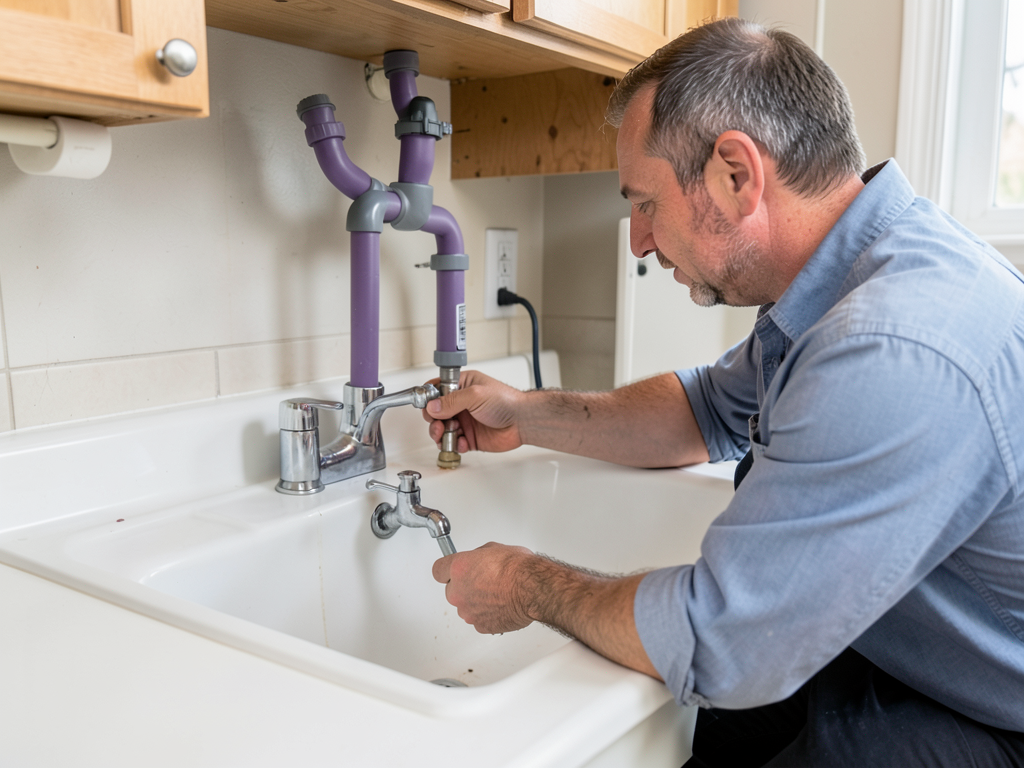
Installation involves cutting into existing drain lines, installing the three-way diverter valve, and running new pipes to garden distribution points. All connections must use PVC schedule 40 pipe with watertight fittings. Hartford code requires clearly marked greywater pipes – typically purple for easy identification during future repairs.
Winterization proves critical for system longevity. Professional installers slope pipes toward drain points and install threaded caps for complete drainage. Some systems include heat tape along critical sections, though this increases energy costs. The surge tank, if present, needs insulation rated for -20°F temperatures common in central Connecticut.
Cost-Benefit Analysis for Hartford Homeowners
Professional greywater system installation ranges from $2,500 to $7,000 depending on complexity. A basic Laundry-to-Landscape system costs less but serves fewer fixtures. Complete systems handling multiple bathrooms approach the higher end of this range.
Water savings vary by household size and garden water needs. A family of four using greywater for landscape irrigation saves approximately 12,000-18,000 gallons annually. At current Metropolitan District (MDC) rates of $5.85 per 1,000 gallons, this equals $70-105 in annual savings. The system pays for itself in 5-7 years through water bill reductions alone.
Additional benefits include reduced stormwater runoff – a significant issue in Hartford’s combined sewer areas – and improved drought resistance for your landscape. During Connecticut’s increasingly common summer dry spells, greywater systems keep gardens alive without municipal water restrictions.
Maintenance and Troubleshooting Guidelines
Greywater systems require minimal maintenance when properly designed. Monthly inspections check for leaks, ensure diverter valves operate smoothly, and verify mulch basins remain unclogged. Every six months, flush the system with clean water to prevent soap buildup in pipes.
Common issues include clogged filters from lint or hair, frozen pipes in uninsulated sections, and valve failures allowing blackwater contamination. Professional plumbers diagnose these problems through pressure testing and visual inspection. Most repairs take 2-4 hours and cost $150-300 for parts and labor.
Odor problems indicate system design flaws. Properly functioning greywater systems produce no smell because water disperses quickly through mulch and soil. Persistent odors suggest clogged distribution lines or inadequate filtration – both requiring professional attention.
Comparing Greywater to Other Water Conservation Methods
| Method | Initial Cost | Annual Savings | Maintenance Level | Climate Suitability |
|---|---|---|---|---|
| Greywater System | $2,500-$7,000 | $70-$105 | Low | Excellent |
| Rain Barrel Collection | $200-$500 | $30-$50 | Low | Seasonal |
| Drip Irrigation Upgrade | $500-$1,500 | $40-$80 | Medium | Excellent |
| Native Plant Conversion | $1,000-$3,000 | $60-$100 | Low | Excellent |
Professional Installation vs. DIY Considerations
DIY greywater installation saves $1,000-2,000 in labor costs but introduces significant risks. Connecticut’s plumbing codes require licensed professionals for any system modification affecting drainage. Unpermitted work can result in $500-1,000 fines and mandatory removal of non-compliant systems.
Professional installers bring expertise in Hartford’s specific soil conditions – primarily silt and clay from the Connecticut River Valley. These soils affect drainage rates and require specific mulch depths for greywater filtration. Licensed plumbers also understand local frost depths and proper pipe burial requirements.
Insurance companies may deny claims for water damage caused by DIY greywater systems. Professional installation includes liability coverage and ensures compliance with local building codes, protecting your home investment.
Environmental Impact and Community Benefits
Greywater systems reduce demand on Hartford’s municipal water supply by up to 30% for participating households. This conservation helps delay expensive infrastructure expansions and reduces energy consumption for water treatment and pumping.
During Connecticut’s increasing summer droughts, greywater systems keep landscapes alive without straining limited water resources. This resilience proves valuable as climate change extends dry periods. Gardens maintained with greywater also reduce urban heat island effects through sustained vegetation.
Community-wide adoption could reduce Hartford’s peak summer water demand by millions of gallons daily. This reduction helps maintain adequate pressure for fire protection and reduces the need for costly water main upgrades in older neighborhoods.
Frequently Asked Questions
Is greywater safe for vegetable gardens?
Greywater works well for fruit trees and established vegetable plants but avoid direct contact with edible parts. Use subsurface irrigation for root vegetables and avoid greywater on leafy greens that contact soil directly.
How long does installation take?
Most residential systems require 2-3 days for complete installation including permits, rough-in, and final inspection. Complex systems with multiple distribution zones may need 4-5 days.
Can I use greywater in winter?
Winter use requires freeze protection like heat tape or insulated pipes. Most Hartford homeowners use seasonal systems that drain completely before freezing temperatures arrive.
What soaps are safe for greywater systems?
Use biodegradable, low-sodium soaps without boron, bleach, or softeners. Look for products labeled “biocompatible” or specifically designed for greywater systems.
Will greywater damage my plumbing?
Properly designed systems protect existing plumbing. The three-way diverter valve prevents greywater from entering potable water lines, and all components use standard plumbing materials.
Ready to Transform Your Garden’s Water Efficiency?
Greywater recycling represents a significant investment in your home’s sustainability and your garden’s resilience. The system pays for itself through water savings while reducing your environmental footprint in West Hartford’s growing community.
Professional installation ensures compliance with Connecticut regulations and proper system design for our climate. Don’t risk fines or system failures with DIY approaches that ignore local building codes.
Call (860) 743-9699 today to schedule your greywater system consultation. Our licensed plumbers will assess your home’s suitability, explain permit requirements, and provide a detailed installation quote. Transform your garden’s water efficiency before the next drought hits Connecticut.
Pick up the phone and call (860) 743-9699 now. Every day you wait means more wasted water and higher utility bills. Join West Hartford’s growing community of sustainable homeowners who’ve already made the switch to greywater recycling.
{
“@context”: “https://schema.org”,
“@type”: “BlogPosting”,
“headline”: “Is Your West Hartford Garden Ready for a Greywater Recycling System?”,
“description”: “Discover if your West Hartford garden can benefit from greywater recycling. Learn CT regulations, installation steps, and winterization tips from local plumbing experts.”,
“wordCount”: 1665,
“datePublished”: “2026-05-31T09:30:00.000Z”,
“dateModified”: “2026-05-31T09:30:00.000Z”,
“inLanguage”: “en-US”,
“mainEntityOfPage”: {
“@type”: “WebPage”,
“@id”: “https://fivestarplumbinghartford.com”
},
“publisher”: {
“@type”: “LocalBusiness”,
“name”: “Five Star Plumbing Hartford”,
“url”: “https://fivestarplumbinghartford.com”
},
“author”: {
“@type”: “Organization”,
“name”: “Five Star Plumbing Hartford”,
“url”: “https://fivestarplumbinghartford.com”
},
“image”: {
“@type”: “ImageObject”,
“url”: “https://fivestarplumbinghartford.com/wp-content/uploads/2026/03/is-your-west-hartford-garden-ready-for-a-greywater-1.png”
}
}
{
“@context”: “https://schema.org”,
“@type”: “Plumber”,
“name”: “Five Star Plumbing Hartford”,
“url”: “https://fivestarplumbinghartford.com”,
“address”: {
“@type”: “PostalAddress”,
“addressLocality”: “Hartford”
},
“areaServed”: {
“@type”: “City”,
“name”: “Hartford”
}
}
{
“@context”: “https://schema.org”,
“@type”: “FAQPage”,
“mainEntity”: [
{
“@type”: “Question”,
“name”: “Is greywater safe for vegetable gardens?”,
“acceptedAnswer”: {
“@type”: “Answer”,
“text”: “Greywater works well for fruit trees and established vegetable plants but avoid direct contact with edible parts. Use subsurface irrigation for root vegetables and avoid greywater on leafy greens that contact soil directly.”
}
},
{
“@type”: “Question”,
“name”: “How long does installation take?”,
“acceptedAnswer”: {
“@type”: “Answer”,
“text”: “Most residential systems require 2-3 days for complete installation including permits, rough-in, and final inspection. Complex systems with multiple distribution zones may need 4-5 days.”
}
},
{
“@type”: “Question”,
“name”: “Can I use greywater in winter?”,
“acceptedAnswer”: {
“@type”: “Answer”,
“text”: “Winter use requires freeze protection like heat tape or insulated pipes. Most Hartford homeowners use seasonal systems that drain completely before freezing temperatures arrive.”
}
},
{
“@type”: “Question”,
“name”: “What soaps are safe for greywater systems?”,
“acceptedAnswer”: {
“@type”: “Answer”,
“text”: “Use biodegradable, low-sodium soaps without boron, bleach, or softeners. Look for products labeled \”biocompatible\” or specifically designed for greywater systems.”
}
},
{
“@type”: “Question”,
“name”: “Will greywater damage my plumbing?”,
“acceptedAnswer”: {
“@type”: “Answer”,
“text”: “Properly designed systems protect existing plumbing. The three-way diverter valve prevents greywater from entering potable water lines, and all components use standard plumbing materials.”
}
},
{
“@type”: “Question”,
“name”: “Ready to Transform Your Garden’s Water Efficiency?”,
“acceptedAnswer”: {
“@type”: “Answer”,
“text”: “Greywater recycling represents a significant investment in your home’s sustainability and your garden’s resilience. The system pays for itself through water savings while reducing your environmental footprint in West Hartford’s growing community.”
}
}
]
}
{
“@context”: “https://schema.org”,
“@type”: “BreadcrumbList”,
“itemListElement”: [
{
“@type”: “ListItem”,
“position”: 1,
“name”: “Home”,
“item”: “https://fivestarplumbinghartford.com”
},
{
“@type”: “ListItem”,
“position”: 2,
“name”: “Blog”,
“item”: “https://fivestarplumbinghartford.com/blog”
},
{
“@type”: “ListItem”,
“position”: 3,
“name”: “Is Your West Hartford Garden Ready for a Greywater Recycling System?”
}
]
}
{
“@context”: “https://schema.org”,
“@type”: “Service”,
“serviceType”: “Plumbing”,
“provider”: {
“@type”: “LocalBusiness”,
“name”: “Five Star Plumbing Hartford”,
“url”: “https://fivestarplumbinghartford.com”
},
“areaServed”: {
“@type”: “City”,
“name”: “Hartford”
},
“description”: “Discover if your West Hartford garden can benefit from greywater recycling. Learn CT regulations, installation steps, and winterization tips from local plumbing experts.”
}