
menu

Industrial Pipe Repair in Hartford | Minimizing Downtime for Manufacturing and Processing Facilities

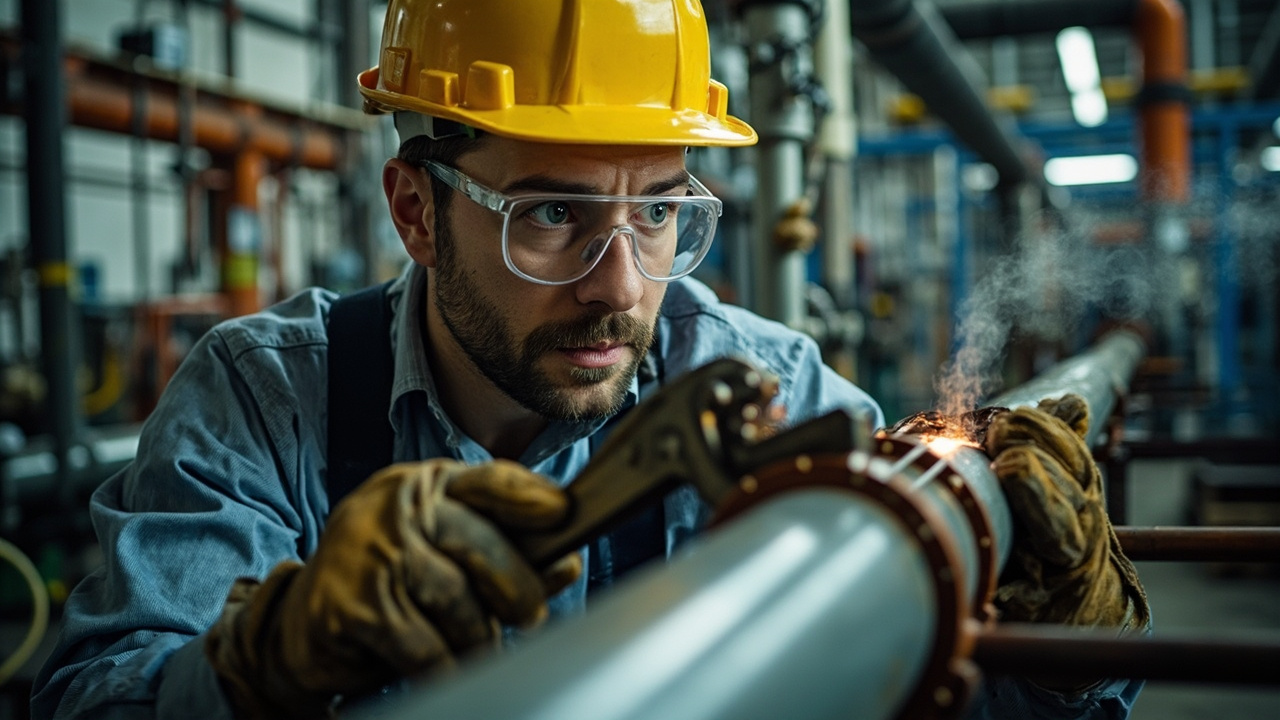
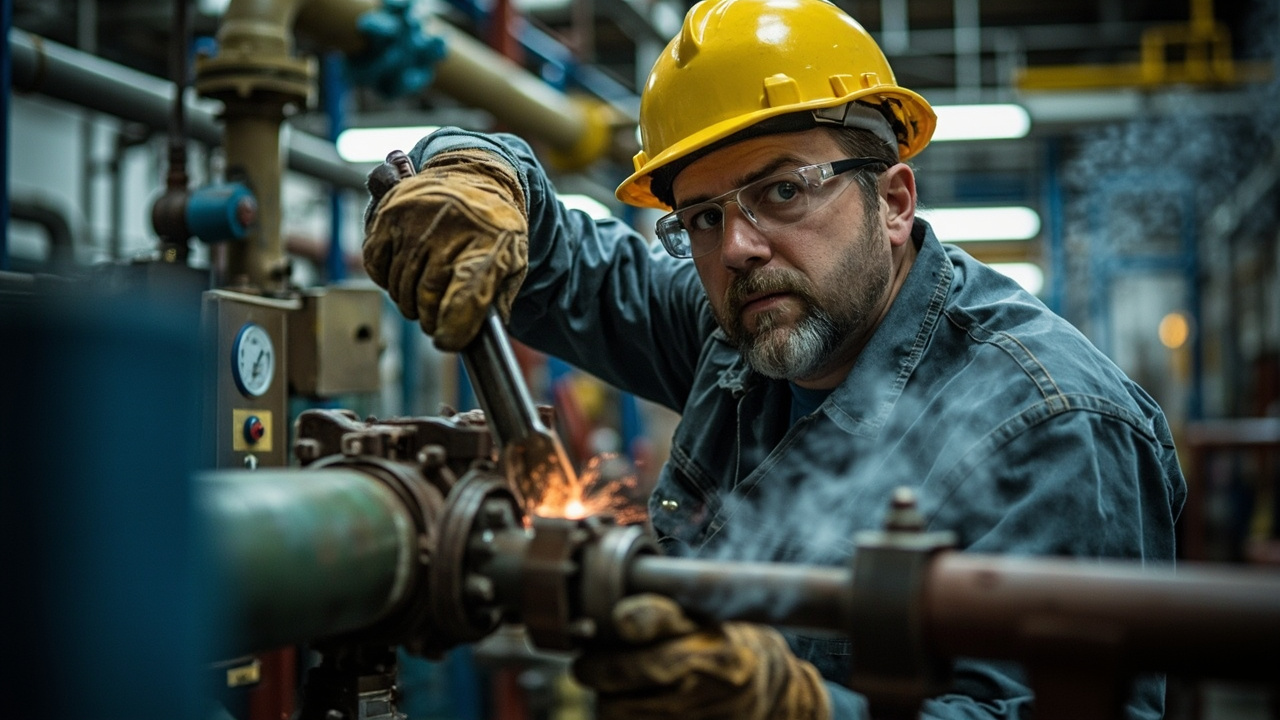
Five Star Plumbing Hartford delivers industrial pipe restoration and process piping repair that keeps your Hartford facility operational, from steam lines to chemical transport systems.

Slider Image 1
Slider Image 2
Slider Image 3
Slider Image 4
Slider Image 5
Slider Image 7
Slider Image 8
Slider Image 9
Slider Image 10
Slider Image 11

Hartford's Industrial Corridor Demands Rapid Pipeline Solutions

Hartford's manufacturing and processing facilities operate in an environment of constant pressure. Freeze-thaw cycles stress aging carbon steel and cast iron piping systems. Summer humidity accelerates external corrosion on insulated lines. The Connecticut River valley's industrial legacy means many facilities still rely on piping infrastructure installed decades ago, when metallurgy standards were less stringent.

When a high-pressure steam line develops a pinhole leak or a process water line fails during a production run, the financial impact multiplies by the hour. Production halts. Temperature-sensitive materials spoil. Contractual deadlines slip. Your maintenance team scrambles to assess whether the failure is localized or systemic.

Industrial pipe repair in Hartford requires more than patching. It requires understanding ASME B31.3 process piping codes, recognizing when corrosion under insulation has compromised structural integrity, and differentiating between failures caused by water hammer versus those from poor weld penetration during original installation.

Five Star Plumbing Hartford specializes in industrial pipeline repair for Hartford's food processing plants, pharmaceutical facilities, and manufacturing operations. We perform industrial piping repair services that account for thermal expansion coefficients, pressure ratings, and the chemical compatibility of repair materials with your process media.

Whether you need emergency process piping repair on a weekend or scheduled industrial pipe rehabilitation during a planned shutdown, we mobilize the welding certifications, pressure testing equipment, and technical documentation your facility requires. We understand that Hartford's industrial operations cannot afford extended outages or substandard repairs that fail during the next thermal cycle.

Hartford's Industrial Corridor Demands Rapid Pipeline Solutions
Engineered Repair Methodology for Process-Critical Systems

Engineered Repair Methodology for Process-Critical Systems

Industrial pipe restoration begins with diagnostic rigor. We do not assume the visible failure point is the only compromise in your system. Our technicians use ultrasonic thickness testing to map wall loss patterns, identifying areas where corrosion has reduced pipe wall below minimum design thickness. We perform dye penetrant testing on welds to detect surface-breaking defects invisible to the eye.

For pressurized systems, we calculate remaining service life using ASME PCC-2 repair standards, determining whether localized repair is adequate or if a full section replacement is the only code-compliant solution. We review your facility's operating parameters, pressure curves, and temperature excursions to ensure repair materials match or exceed original specifications.

When performing industrial piping repair services on live systems, we use hot tap procedures that allow isolation without facility-wide shutdowns. For high-alloy stainless steel or exotic materials like Hastelloy, we match filler metal composition and control interpass temperatures to prevent sensitization and stress corrosion cracking.

Our process piping repair protocol includes pre-weld heat treatment when base metal carbon equivalency requires it, post-weld stress relief for thick-section repairs, and radiographic or ultrasonic inspection of completed welds. We document hardness testing, ferrite content measurements, and pressure test results for your quality management system.

For Hartford facilities operating under FDA, EPA, or OSHA jurisdiction, we provide material certifications, weld procedure specifications, and welder qualification records that satisfy regulatory audits. Our industrial pipe rehabilitation work includes metallurgical analysis reports when failure investigation is required for insurance claims or process improvement initiatives.

How We Execute Industrial Pipeline Repairs Without Compromising Your Schedule

Industrial Pipe Repair in Hartford | Minimizing Downtime for Manufacturing and Processing Facilities
01

Failure Analysis and System Assessment

We begin with root cause determination. Our team performs visual inspection, non-destructive testing, and metallurgical sampling to identify whether failure stems from corrosion, erosion, fatigue cracking, or installation defects. We map the extent of damage using calibrated ultrasonic gauges, identifying compromised sections beyond the visible failure zone. You receive a written assessment detailing repair scope, code compliance requirements, and timeline options that align with your production schedule.
02

Repair Execution and Quality Control

Our certified welders execute repairs using procedures qualified to ASME Section IX standards. We control weld parameters, preheat temperatures, and post-weld heat treatment cycles according to material specifications. For systems requiring zero-interruption repairs, we install temporary bypass lines or use split-sleeve clamps rated for your operating pressure. Each repair undergoes non-destructive examination. Pressure testing verifies system integrity before returning equipment to service. We coordinate with your operations team to minimize production impact.
03

Documentation and Preventive Planning

You receive complete repair documentation including material test reports, weld maps, NDE results, and pressure test certifications. We provide digital records compatible with your maintenance management system. Our post-repair analysis identifies systemic issues like inadequate support spacing, thermal stress concentrations, or corrosion mechanisms requiring monitoring. We recommend inspection intervals and predictive maintenance strategies to prevent repeat failures. For facilities with planned turnarounds, we develop multi-year rehabilitation schedules that address aging infrastructure systematically.

Why Hartford Facilities Trust Our Industrial Piping Expertise

Five Star Plumbing Hartford maintains the technical depth Hartford's industrial sector requires. Our welders hold certifications in carbon steel, stainless steel, chrome-moly, and specialized alloys. We stock consumables and repair materials for same-day response, eliminating delays waiting for suppliers to ship critical components.

We understand Hartford's industrial landscape. The Colt Armory complex, the aerospace component manufacturers along the I-91 corridor, and the pharmaceutical operations in the greater Hartford metro all operate process systems with unique metallurgical and regulatory requirements. We have performed industrial pipeline repair in facilities operating under Good Manufacturing Practice protocols, where material traceability and contamination control are non-negotiable.

Our familiarity with Connecticut building codes and state boiler inspection requirements streamlines permit processes. When repairs involve pressure vessels or boiler external piping, we coordinate with the Connecticut Department of Consumer Protection's Boiler Inspection Division, ensuring your repairs pass inspection without delays or rework.

Hartford's industrial facilities operate on thin margins. Unplanned downtime costs thousands per hour. Substandard repairs that fail during startup cost even more. We provide industrial piping repair services engineered for long-term reliability, not temporary fixes that postpone inevitable failure.

Our emergency response capability means we can mobilize certified welders and testing equipment to your Hartford facility within hours, not days. For planned shutdowns, we pre-fabricate replacement spools and assemblies, reducing on-site installation time. We work around your schedule, including nights, weekends, and holiday periods when production demands require it.

We communicate in engineering terms your maintenance team understands. No vague assurances or generic service promises. You get technical assessments, quantified repair options, and realistic timelines based on the actual scope of work.

What Hartford Facilities Can Expect From Our Industrial Pipe Repair Services

Rapid Mobilization and Emergency Response

When a critical process line fails, every hour offline affects your bottom line. Five Star Plumbing Hartford maintains emergency response capability for Hartford's industrial corridor. We dispatch certified technicians and equipment within two to four hours for critical failures. Our emergency service includes temporary isolation, damage containment, and rapid assessment to determine repair versus replacement. We coordinate with your operations team to sequence repairs that restore partial production capacity while completing permanent repairs. For scheduled maintenance turnarounds, we pre-position materials and personnel to maximize available downtime windows.

Comprehensive Engineering Assessment

Industrial pipe rehabilitation requires more than visual inspection. We perform ultrasonic thickness surveys to map internal corrosion patterns, magnetic particle testing to detect surface cracks, and radiographic examination of questionable welds. Our assessment includes review of your operating parameters, identifying whether failures result from design inadequacies, material selection errors, or operational upsets. You receive written reports with dimensioned sketches, remaining life calculations, and repair recommendations that satisfy your engineering standards. We provide cost-benefit analysis comparing repair versus replacement, factoring in system age, maintenance history, and long-term reliability.

Code-Compliant Repairs With Full Documentation

Hartford's industrial facilities operate under strict regulatory oversight. Our industrial piping repair services comply with ASME B31.3 process piping codes, ASME Section IX welding qualifications, and applicable FDA or EPA requirements. Each repair includes material certifications traceable to mill test reports, documented weld procedures, welder qualification records, and non-destructive examination reports. Pressure testing follows ASME standards with calibrated gauges and documented hold times. You receive comprehensive quality packages suitable for regulatory audits, insurance claims, or internal quality management systems. Our work satisfies Connecticut state inspectors and third-party auditors without delays or deficiency notices.

Preventive Maintenance and Long-Term Planning

Reactive repairs address immediate failures but do not prevent future problems. Five Star Plumbing Hartford provides industrial pipe restoration strategies that extend system life and reduce unplanned downtime. We develop inspection schedules based on corrosion rates, operating severity, and system criticality. Our predictive maintenance programs use baseline thickness measurements to forecast remaining service life, allowing you to plan replacements during scheduled shutdowns rather than emergency situations. For aging facilities, we create multi-year rehabilitation roadmaps that prioritize high-risk systems and align capital expenditures with your budget cycles. We provide technical support for your maintenance team, including training on early failure detection.

Frequently Asked Questions

You Have Questions,
We Have Answers

How much does it typically cost to fix a broken pipe? +

Industrial pipe repair costs vary based on pipe diameter, material, accessibility, and damage severity. Small section repairs may run lower, while large-diameter steam or process lines requiring code compliance and shutdown coordination cost significantly more. Hartford facilities often face added costs due to tight mechanical room access in older buildings and asbestos abatement requirements in pre-1980 structures. Corrosion from Connecticut's freeze-thaw cycles and water chemistry accelerates damage. Commercial repairs require coordination with operations to minimize downtime. Request site-specific assessments that account for business continuity needs, code compliance, and material specifications rather than generic estimates.

What is the best way to fix a leaking pipe? +

The best repair method depends on pipe type, operating pressure, and fluid type. Cast iron drain lines often benefit from epoxy lining or sectional replacement. High-pressure steam lines require welded repairs and hydrostatic testing. Process water lines may use mechanical couplings or fusion welding. Hartford's industrial sector, from manufacturing to institutional facilities, demands code-compliant repairs that maintain system integrity. Quick fixes compromise liability protection and operational safety. Professional assessment identifies root causes like water hammer, thermal expansion, or corrosion to prevent repeat failures. Choose methods that meet ASME, ASTM, or local building code standards for your specific application.

How much does a plumber charge to fix a leaking pipe? +

Commercial plumbers in Hartford typically charge trip fees plus hourly rates or project pricing for industrial pipe repairs. Emergency calls, after-hours service, and complex diagnostics increase costs. Industrial work commands higher rates than residential due to code complexity, system scale, and liability exposure. Factors include pipe material, accessibility, required certifications, and shutdown coordination. Manufacturing facilities with process-critical lines often pay premiums for rapid response and minimal downtime. Request detailed scopes that itemize labor, materials, permits, and testing. Preventive maintenance contracts often reduce emergency repair frequency and total ownership costs for Hartford facilities.

How long does epoxy pipe repair last? +

Epoxy pipe lining typically lasts 35 to 50 years in properly prepared drain and water supply lines. Longevity depends on substrate preparation, curing conditions, operating temperature, and chemical exposure. Hartford industrial facilities using epoxy for potable water or low-pressure drains see excellent performance when applied correctly. High-temperature steam lines, aggressive chemical systems, or inadequately cleaned pipes reduce lifespan. Epoxy repairs avoid excavation and downtime but require certified applicators following manufacturer protocols. Industrial applications demand third-party testing and compliance with NSF or ASTM standards. Epoxy works best for corrosion prevention in aging infrastructure where replacement disrupts operations.

Is it cheaper to replace or repair pipes? +

Repair costs less upfront but may increase total lifecycle expenses if underlying issues persist. Replace when pipes show widespread corrosion, code violations, or material obsolescence. Hartford facilities with galvanized steel or aging cast iron often benefit from strategic replacement before catastrophic failure disrupts operations. Repair makes sense for isolated damage in newer systems or when budget constraints require phased upgrades. Calculate downtime costs, future failure risk, and warranty differences. Industrial operations requiring reliability favor replacement for critical lines. Professional assessments using camera inspection and metallurgical analysis guide cost-effective decisions. Factor in code compliance and long-term operational efficiency.

Does insurance cover pipe repair? +

Commercial property insurance often covers sudden, accidental pipe failures but excludes maintenance-related deterioration or gradual leaks. Hartford businesses must document routine inspections and preventive maintenance to support claims. Frozen pipe bursts typically qualify, while corrosion from deferred maintenance may not. Review your policy's water damage exclusions, deductibles, and business interruption coverage. Industrial facilities should photograph damage immediately and notify carriers within policy timeframes. Insurance adjusters differentiate between covered perils and owner neglect. Maintain maintenance logs and professional inspection reports. Coverage varies significantly between policies. Consult your broker before repairs to maximize reimbursement and avoid claim denials.

Does flex seal really stop water leaks? +

Flex Seal and similar spray sealants provide temporary stops for minor residential leaks but fail under industrial operating pressures, temperatures, and code requirements. Hartford commercial facilities risk liability exposure using non-approved repair methods on pressurized systems. These products cannot withstand thermal cycling, chemical exposure, or mechanical stress in manufacturing environments. Building inspectors and insurance adjusters reject temporary fixes that violate plumbing codes. Industrial pipe systems require permanent repairs using approved materials, proper joining methods, and pressure testing. Temporary patches create false confidence while corrosion continues underneath. Commercial operations need code-compliant repairs that protect against failure liability and maintain system warranties.

What is the best sealant for a leaking pipe? +

No universal best sealant exists. Industrial applications require specific products matched to pipe material, pressure, temperature, and fluid type. Epoxy compounds work for low-pressure drains. Anaerobic sealants suit threaded metal fittings. Silicone handles thermal expansion in some applications. PTFE tape works for threaded connections under specific conditions. Hartford facilities must use products meeting ASTM, NSF, or ASME standards for their application. Chemical compatibility matters for process lines. High-pressure steam requires different solutions than chilled water. Professional specifications ensure code compliance and prevent failures. Building inspectors reject generic consumer products in commercial installations. Match sealant chemistry to operating conditions and regulatory requirements.

How to fix a leaking pipe without removing it? +

Trenchless methods like epoxy lining, mechanical couplings, or pipe bursting repair pipes without full removal. Epoxy coatings rehabilitate corroded interiors in drain and water lines. Mechanical repair clamps and couplings stop leaks on accessible sections without cutting. Hartford's industrial facilities use these methods to avoid floor excavation or wall demolition in active operations. Camera inspection locates damage precisely. Methods depend on pipe material, diameter, and accessibility. Some repairs require partial exposure for code-compliant connections. Industrial applications need engineered solutions meeting pressure ratings and code standards. Trenchless repairs minimize downtime but require specialized equipment and certified technicians. Not all situations allow non-invasive repairs.

How much would a plumber charge for 3 hours? +

Commercial plumbers in Hartford charge trip fees plus hourly rates or flat project pricing. Three-hour minimums apply to many service calls. Industrial work rates exceed residential due to code complexity, specialized tools, and liability exposure. Emergency service, after-hours calls, and complex diagnostics increase costs. Large facilities negotiating service agreements often secure better rates than ad-hoc calls. Rates vary based on work scope, required certifications, and equipment needs. Travel time, material markups, and permit fees add to labor charges. Request detailed estimates itemizing all costs before authorizing work. Preventive maintenance contracts typically offer lower effective hourly rates than emergency calls.

How Hartford's Industrial Legacy Creates Unique Pipe Repair Challenges

Hartford's position as a historical manufacturing center means many facilities operate piping systems installed between 1950 and 1980, when carbon steel specifications and welding practices differed from modern standards. These legacy systems face accelerated degradation from Connecticut's freeze-thaw cycles, which stress piping supports and create thermal fatigue in restraint points. The Connecticut River valley's humidity accelerates external corrosion on insulated steam and hot water lines. Industrial facilities near the riverfront experience higher atmospheric corrosion rates than inland locations. Process piping repair in Hartford requires understanding how decades of thermal cycling have affected material properties and where original installation practices may not meet current code requirements.

Hartford's industrial facilities operate under Connecticut's rigorous inspection regime. The state's Boiler and Pressure Vessel Division enforces strict repair and alteration requirements. Industrial pipeline repair affecting pressure piping requires documented weld procedures, certified welders, and inspector-witnessed pressure tests. Five Star Plumbing Hartford maintains established relationships with Connecticut state inspectors, streamlining approval processes and reducing compliance delays. Our familiarity with local jurisdictional requirements prevents costly rework and keeps your facility compliant. Hartford's manufacturing sector depends on contractors who understand both technical repair requirements and regulatory frameworks that govern industrial piping repair services.
Plumbing Services in The Hartford Area

We are proud to serve the entire Hartford metropolitan area and surrounding communities. Use the interactive map below to view our main service radius, or contact us directly if you are just outside the highlighted zone—we often make exceptions for clients in need. We look forward to bringing our five-star plumbing service directly to your location.

Address:
Five Star Plumbing Hartford, 100 Pearl St, Hartford, CT, 06103

Additional Services We Offer

Our news updates

Latest Articles & News from The Blogs

The Truth About Salt Free Water Conditioners for Hartford Residents If you live in Hartford you know the white crusty…

The Truth About Salt Free Water Conditioners for Hartford Residents

The Truth About Salt Free Water Conditioners for Hartford Residents If you live in Hartford you know the white crusty…

Solving Frequent Drain Blockages in Frog Hollow Multi Family Buildings

Solving Frequent Drain Blockages in Frog Hollow Multi Family Buildings Frequent drain blockages in Frog Hollow’s multi-family buildings create major…

Why Your Simsbury Kitchen Might Need a Commercial Grade Pre Rinse Faucet

Why Your Simsbury Kitchen Might Need a Commercial Grade Pre Rinse Faucet Your Simsbury kitchen deserves performance that matches your…

Contact Us

Production delays cost more than repairs. Contact Five Star Plumbing Hartford at (860) 743-9699 for industrial pipeline repair that keeps Hartford facilities operational. We provide emergency response and planned maintenance solutions engineered for reliability.