
Why Your Historic West End Home Might Need a Thermal Expansion Tank
Living in Hartford’s historic West End means owning a piece of Connecticut’s architectural heritage. But those beautiful century-old homes come with plumbing challenges modern builders never faced. If your water heater’s relief valve keeps dripping or you’ve noticed pressure fluctuations in your showers, you might be dealing with a hidden problem that affects thousands of West End homes: thermal expansion in closed-loop plumbing systems. Connecticut Department of Public Health Water Hardness Information.
When water heats up inside your water heater, it expands. In homes built before the 1980s, this expanding water simply pushed back into the city’s main water lines. But today’s Hartford homes typically have backflow preventers, pressure reducing valves, or check valves that create a “closed-loop” system. This means the expanding hot water has nowhere to go, creating dangerous pressure spikes that can damage your water heater, pipes, and fixtures. Repair Your West Hartford Sewer Line Without Digging Up the Yard.
The solution is a thermal expansion tank, a small device that absorbs this excess pressure before it causes damage. For West End homeowners, this isn’t just a recommendation—it’s often a code requirement for any new water heater installation in Hartford’s Metropolitan District.. Read more about Comparing Hybrid Heat Pump Water Heaters and Traditional Electric Tanks for Hartford Homes.
How Hartford’s Water Pressure Creates Expansion Tank Problems
The Metropolitan District Commission (MDC) supplies water to most West End homes at pressures between 50-70 PSI, which is higher than many other Connecticut communities. This elevated pressure, combined with Hartford’s hard water (averaging 15-20 grains per gallon of calcium carbonate), creates a perfect storm for expansion tank failure.. Read more about What Every Hartford Homeowner Should Know About the City Lead Pipe Replacement Program.
When water heats from 50°F to 120°F, it expands by approximately 2%. In a typical 50-gallon water heater, that’s an extra gallon of water with nowhere to go. Without an expansion tank, this pressure can spike to 150 PSI or higher, well above the 80 PSI maximum recommended by the International Plumbing Code. International Residential Code Section P2803.5.2.
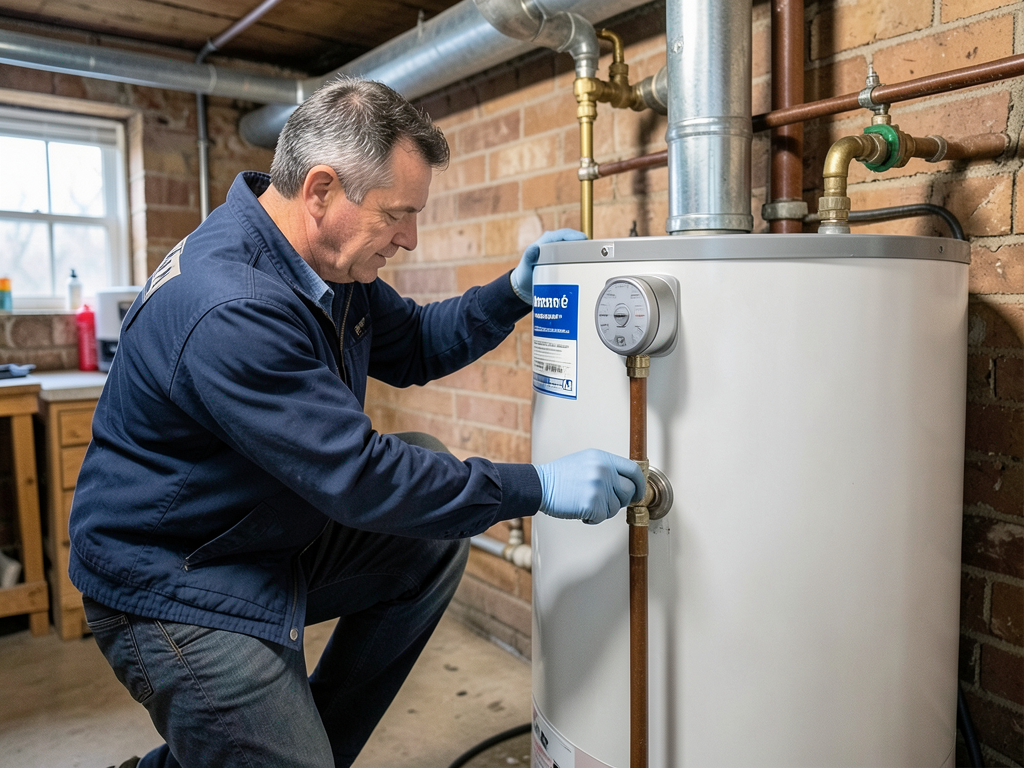
West End Specific Challenge: Many West End homes still have their original lead service lines or galvanized steel pipes from the 1920s. These materials are particularly vulnerable to pressure damage, and the corrosion inside these pipes can accelerate expansion tank failure by creating abrasive particles that wear down the internal rubber bladder.
5 Signs Your West End Home Needs an Expansion Tank
Before your water heater fails completely, your plumbing system will give you warning signs. Here’s what to watch for in your West End home: Who to Call for 24 Hour Emergency Plumbing Help in East Hartford.
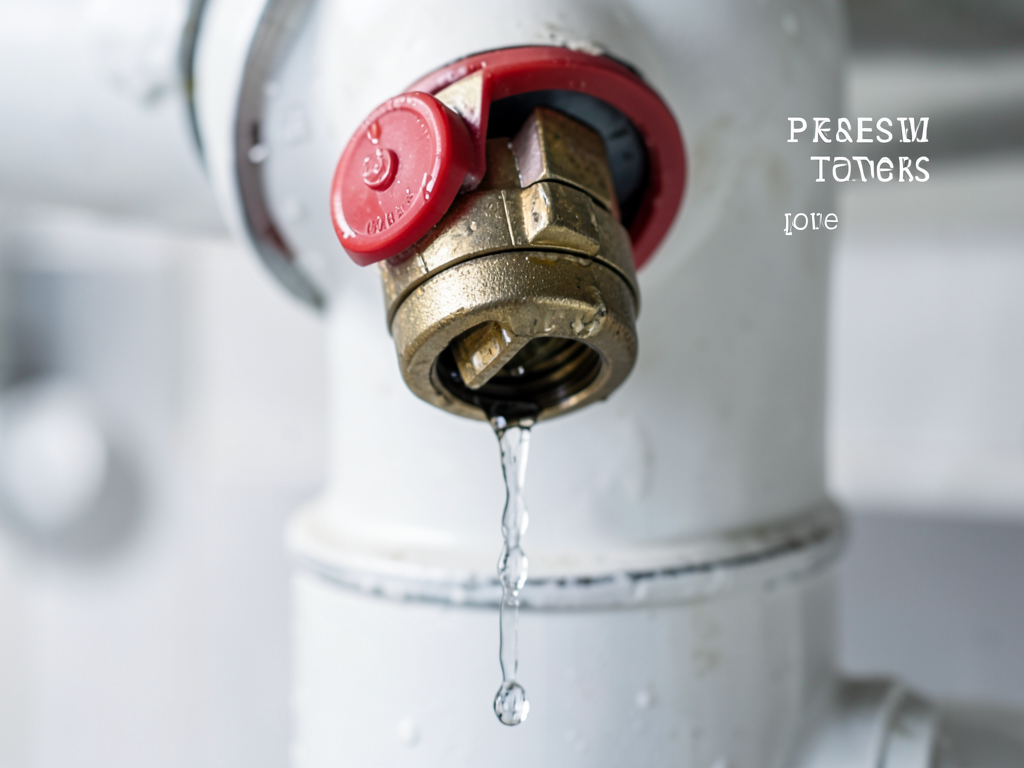
- Leaking Temperature and Pressure Relief Valve (T&P) – If you notice water dripping from the pipe extending from your water heater’s top or side, your system is building excess pressure. This is the most common first sign.
- Water Hammer Noises – That loud banging when you turn off a faucet isn’t just annoying—it’s a sign of pressure waves traveling through your pipes. In West End’s older homes, this can loosen pipe joints over time.
- Premature Water Heater Failure – If you’re replacing water heaters every 5-7 years instead of the expected 10-12 years, pressure damage could be the culprit.
- Fluctuating Water Pressure – Notice your shower pressure changing dramatically when someone else uses water? This pressure instability often indicates expansion problems.
- The “Tap Test” Failure – A healthy expansion tank should sound hollow when tapped. If it sounds solid or thuds, the internal bladder has likely failed and needs replacement.
Connecticut Code Requirements for West End Homes
Connecticut State Building Code Section P2803.5.2, based on the International Residential Code, specifically requires thermal expansion tanks for all closed-loop systems where a pressure reducing valve, check valve, or backflow preventer is installed. For West End homeowners, this means:
- Any new water heater installation requires an expansion tank permit from the Hartford Building Department
- Existing homes being sold often require inspection and compliance before closing
- Insurance companies may deny claims for water heater damage if no expansion tank was present
The Hartford Building Department has become increasingly strict about enforcement, particularly in historic districts where water damage can affect multiple units in multi-family conversions common throughout the West End.
Expansion Tank Sizing for West End Water Heaters
Not all expansion tanks are created equal. The right size depends on your water heater capacity and your home’s water pressure. Here’s what West End homeowners typically need:
| Water Heater Size | Recommended Tank Size | Pre-charge Pressure | Typical Cost Range |
|---|---|---|---|
| 30-40 gallons | 2-gallon tank | 50-60 PSI | $150-200 |
| 40-50 gallons | 4.5-gallon tank | 60-70 PSI | $180-250 |
| 50+ gallons | 4.5-5 gallon tank | 70-80 PSI | $200-300 |
West End Specific Note: Many West End homes have 40-50 gallon water heaters, which aligns perfectly with the 4.5-gallon expansion tanks most commonly stocked by local plumbing suppliers. This size provides adequate capacity for the pressure fluctuations common in Hartford’s older neighborhoods.
Professional Installation Process for West End Homes
Installing an expansion tank isn’t a simple DIY project, especially in West End’s historic homes. Here’s what the professional installation process involves:
- System Assessment
The plumber tests your home’s water pressure (West End homes typically test between 55-65 PSI), checks for existing backflow preventers, and evaluates your water heater’s condition and location.
- Permit Acquisition
Before any work begins, the contractor files for the necessary Hartford building permit, which costs approximately $75-125 depending on the scope of work.
- Pre-charging the Tank
The expansion tank’s internal rubber bladder must be pre-charged to match your home’s water pressure. This critical step ensures the tank can absorb the full range of pressure fluctuations.
- Mounting and Connection
The tank mounts either on the cold water line near the water heater or on the hot water outlet. In West End’s tight basement spaces, creative mounting solutions are often required.
- System Testing
After installation, the plumber tests the entire system, checking for leaks and verifying the tank is properly absorbing pressure fluctuations.
Cost Factors for West End Expansion Tank Replacement
The total cost for expansion tank installation in West End homes typically ranges from $300-600, depending on several factors:
- Labor Complexity – Tight basement spaces and difficult access in historic homes can increase labor time
- Permit Requirements – Hartford permit fees and inspection scheduling affect timeline and cost
- Additional Repairs – Sometimes pressure damage has already affected valves or connections that need repair
- Emergency vs. Scheduled Service – If your T&P valve is actively leaking, emergency service calls cost more
For West End homeowners planning water heater replacement, bundling the expansion tank installation saves both time and money, as the plumber is already working in that area of your home.
Why West End Homes Are Particularly Vulnerable
West End’s unique combination of factors makes thermal expansion a critical issue:
- Historic Plumbing Systems – Many homes still have original plumbing from the 1920s-1940s that wasn’t designed for today’s closed-loop systems
- Combined Sewer Issues – During heavy rains, West End’s combined sewer system can back up, creating additional pressure on your home’s plumbing
- Hard Water Effects – Hartford’s hard water accelerates corrosion inside expansion tanks, reducing their typical 5-10 year lifespan
- Multi-family Conversions – Many West End homes have been converted to multi-family units, increasing demand on water heaters and expansion tanks
The Connecticut Department of Public Health reports that Hartford’s water hardness is among the highest in the state, which directly correlates with faster expansion tank degradation. The rubber bladder inside these tanks breaks down faster when exposed to mineral-rich water, often failing in 3-5 years instead of the expected 8-10 years.
Maintenance Tips for West End Homeowners
Once your expansion tank is installed, proper maintenance ensures it protects your home for years to come:
- Annual Pressure Testing – Use a water pressure gauge to check that your home’s pressure stays between 50-70 PSI
- Visual Inspections – Check the expansion tank every six months for signs of corrosion or leakage at connection points
- Temperature Monitoring – If your water suddenly becomes much hotter or colder, it could indicate pressure problems affecting your water heater’s thermostat
- Professional Inspection – Have a plumber inspect your expansion tank during annual water heater maintenance
Remember that a failed expansion tank provides no protection—it’s essentially invisible until pressure damage occurs. Don’t wait for your water heater to leak through your West End home’s ceiling before addressing this critical safety component.
Frequently Asked Questions
Can I install an expansion tank myself?
While technically possible, expansion tank installation requires proper pressure testing, permit acquisition, and code compliance. In Hartford, DIY installation of plumbing devices that affect public water supply is illegal without proper permits and inspections. Plumbing East Hampton.
How long do expansion tanks last in Hartford’s hard water?
Due to Hartford’s hard water, expansion tanks typically last 3-5 years instead of the 8-10 years seen in areas with softer water. The high mineral content accelerates rubber bladder degradation.
Will my homeowner’s insurance cover damage from pressure-related water heater failure?
Many insurance policies exclude damage from code violations. If your water heater fails without an expansion tank in a required installation, you may be responsible for all repair costs.
What happens if I ignore the expansion tank requirement?
Ignoring expansion tank requirements can lead to catastrophic water heater failure, flooded basements, damaged ceilings and walls, and potentially voiding your water heater warranty. The pressure can also damage other plumbing fixtures throughout your home. Plumbing Newington.
How do I know if my current expansion tank is working?
Tap the side of the tank. It should sound hollow. If it sounds solid or thuds, the internal bladder has failed. Also, check for any moisture or corrosion around the tank’s connections.
Protect Your West End Home Today
Your historic West End home deserves modern protection against the plumbing challenges of today’s water systems. Don’t wait for a flooded basement or damaged water heater to realize you needed an expansion tank. The cost of prevention is a fraction of the damage repair costs from pressure-related failures.. Read more about Upgrading the Antique Plumbing in Your Historic West End Victorian.
Call (860) 743-9699 today to schedule your expansion tank inspection and installation. Our licensed Hartford plumbers understand the unique challenges of West End homes and can ensure your plumbing system meets all Connecticut code requirements while protecting your home’s historic value.
Don’t let thermal expansion damage your water heater or flood your basement. Pick up the phone and call (860) 743-9699 before the next pressure spike causes expensive damage to your West End home.
{
“@context”: “https://schema.org”,
“@type”: “BlogPosting”,
“headline”: “Why Your Historic West End Home Might Need a Thermal Expansion Tank”,
“description”: “Is your West End home’s water heater leaking? Learn why Hartford’s closed-loop plumbing systems require thermal expansion tanks and how to prevent costly damage.”,
“wordCount”: 1721,
“datePublished”: “2026-05-03T15:56:00.000Z”,
“dateModified”: “2026-05-03T15:56:00.000Z”,
“inLanguage”: “en-US”,
“mainEntityOfPage”: {
“@type”: “WebPage”,
“@id”: “https://fivestarplumbinghartford.com”
},
“publisher”: {
“@type”: “LocalBusiness”,
“name”: “Five Star Plumbing Hartford”,
“url”: “https://fivestarplumbinghartford.com”
},
“author”: {
“@type”: “Organization”,
“name”: “Five Star Plumbing Hartford”,
“url”: “https://fivestarplumbinghartford.com”
},
“image”: {
“@type”: “ImageObject”,
“url”: “https://fivestarplumbinghartford.com/wp-content/uploads/2026/03/why-your-historic-west-end-home-might-need-a-therm-1.png”
}
}
{
“@context”: “https://schema.org”,
“@type”: “Plumber”,
“name”: “Five Star Plumbing Hartford”,
“url”: “https://fivestarplumbinghartford.com”,
“address”: {
“@type”: “PostalAddress”,
“addressLocality”: “Hartford”
},
“areaServed”: {
“@type”: “City”,
“name”: “Hartford”
}
}
{
“@context”: “https://schema.org”,
“@type”: “FAQPage”,
“mainEntity”: [
{
“@type”: “Question”,
“name”: “Can I install an expansion tank myself?”,
“acceptedAnswer”: {
“@type”: “Answer”,
“text”: “While technically possible, expansion tank installation requires proper pressure testing, permit acquisition, and code compliance. In Hartford, DIY installation of plumbing devices that affect public water supply is illegal without proper permits and inspections. Plumbing East Hampton.”
}
},
{
“@type”: “Question”,
“name”: “How long do expansion tanks last in Hartford’s hard water?”,
“acceptedAnswer”: {
“@type”: “Answer”,
“text”: “Due to Hartford’s hard water, expansion tanks typically last 3-5 years instead of the 8-10 years seen in areas with softer water. The high mineral content accelerates rubber bladder degradation.”
}
},
{
“@type”: “Question”,
“name”: “Will my homeowner’s insurance cover damage from pressure-related water heater failure?”,
“acceptedAnswer”: {
“@type”: “Answer”,
“text”: “Many insurance policies exclude damage from code violations. If your water heater fails without an expansion tank in a required installation, you may be responsible for all repair costs.”
}
},
{
“@type”: “Question”,
“name”: “What happens if I ignore the expansion tank requirement?”,
“acceptedAnswer”: {
“@type”: “Answer”,
“text”: “Ignoring expansion tank requirements can lead to catastrophic water heater failure, flooded basements, damaged ceilings and walls, and potentially voiding your water heater warranty. The pressure can also damage other plumbing fixtures throughout your home. Plumbing Newington.”
}
},
{
“@type”: “Question”,
“name”: “How do I know if my current expansion tank is working?”,
“acceptedAnswer”: {
“@type”: “Answer”,
“text”: “Tap the side of the tank. It should sound hollow. If it sounds solid or thuds, the internal bladder has failed. Also, check for any moisture or corrosion around the tank’s connections.”
}
}
]
}
{
“@context”: “https://schema.org”,
“@type”: “HowTo”,
“name”: “Professional Expansion Tank Installation”,
“step”: [
{
“@type”: “HowToStep”,
“position”: 1,
“name”: “System Assessment”,
“text”: “The plumber tests your home’s water pressure (West End homes typically test between 55-65 PSI), checks for existing backflow preventers, and evaluates your water heater’s condition and location.”
},
{
“@type”: “HowToStep”,
“position”: 2,
“name”: “Permit Acquisition”,
“text”: “Before any work begins, the contractor files for the necessary Hartford building permit, which costs approximately $75-125 depending on the scope of work.”
},
{
“@type”: “HowToStep”,
“position”: 3,
“name”: “Pre-charging the Tank”,
“text”: “The expansion tank’s internal rubber bladder must be pre-charged to match your home’s water pressure. This critical step ensures the tank can absorb the full range of pressure fluctuations.”
},
{
“@type”: “HowToStep”,
“position”: 4,
“name”: “Mounting and Connection”,
“text”: “The tank mounts either on the cold water line near the water heater or on the hot water outlet. In West End’s tight basement spaces, creative mounting solutions are often required.”
},
{
“@type”: “HowToStep”,
“position”: 5,
“name”: “System Testing”,
“text”: “After installation, the plumber tests the entire system, checking for leaks and verifying the tank is properly absorbing pressure fluctuations.”
}
],
“image”: “https://fivestarplumbinghartford.com/wp-content/uploads/2026/03/why-your-historic-west-end-home-might-need-a-therm-1.png”
}
{
“@context”: “https://schema.org”,
“@type”: “BreadcrumbList”,
“itemListElement”: [
{
“@type”: “ListItem”,
“position”: 1,
“name”: “Home”,
“item”: “https://fivestarplumbinghartford.com”
},
{
“@type”: “ListItem”,
“position”: 2,
“name”: “Blog”,
“item”: “https://fivestarplumbinghartford.com/blog”
},
{
“@type”: “ListItem”,
“position”: 3,
“name”: “Why Your Historic West End Home Might Need a Thermal Expansion Tank”
}
]
}
{
“@context”: “https://schema.org”,
“@type”: “Service”,
“serviceType”: “Plumbing”,
“provider”: {
“@type”: “LocalBusiness”,
“name”: “Five Star Plumbing Hartford”,
“url”: “https://fivestarplumbinghartford.com”
},
“areaServed”: {
“@type”: “City”,
“name”: “Hartford”
},
“description”: “Is your West End home’s water heater leaking? Learn why Hartford’s closed-loop plumbing systems require thermal expansion tanks and how to prevent costly damage.”
}