
What to Know Before Moving from Septic to City Sewer in the Hartford Suburbs
Converting from a septic system to city sewer in Hartford requires careful planning and understanding of local regulations. The process involves navigating the Metropolitan District Commission requirements, obtaining proper permits, and managing significant costs. Most Hartford homeowners complete this transition in 2-4 weeks depending on property conditions and seasonal weather patterns. Metropolitan District Commission.
Understanding Hartford’s Septic-to-Sewer Conversion Requirements
The Metropolitan District Commission oversees all sewer connections in Hartford and surrounding suburbs. Property owners must first verify eligibility by checking if their property lies within the MDC service area. The commission requires a completed application form, property survey, and septic system inspection before approving any connection. Repair Your West Hartford Sewer Line Without Digging Up the Yard.
Connecticut state law mandates specific decommissioning procedures for abandoned septic tanks. The Connecticut Department of Energy and Environmental Protection requires either complete removal or proper abandonment in place according to Section 19-13-B103 of the Connecticut Public Health Code. This prevents groundwater contamination and ensures long-term environmental safety. Connecticut Department of Energy and Environmental Protection.
Property owners in Hartford’s historic districts face additional considerations. The Hartford Historic Preservation Commission may require approval for any exterior modifications including sewer line installation. Homes built before 1950 often contain lead service lines that require special handling during the conversion process. Signs You Need Sewer Repair.
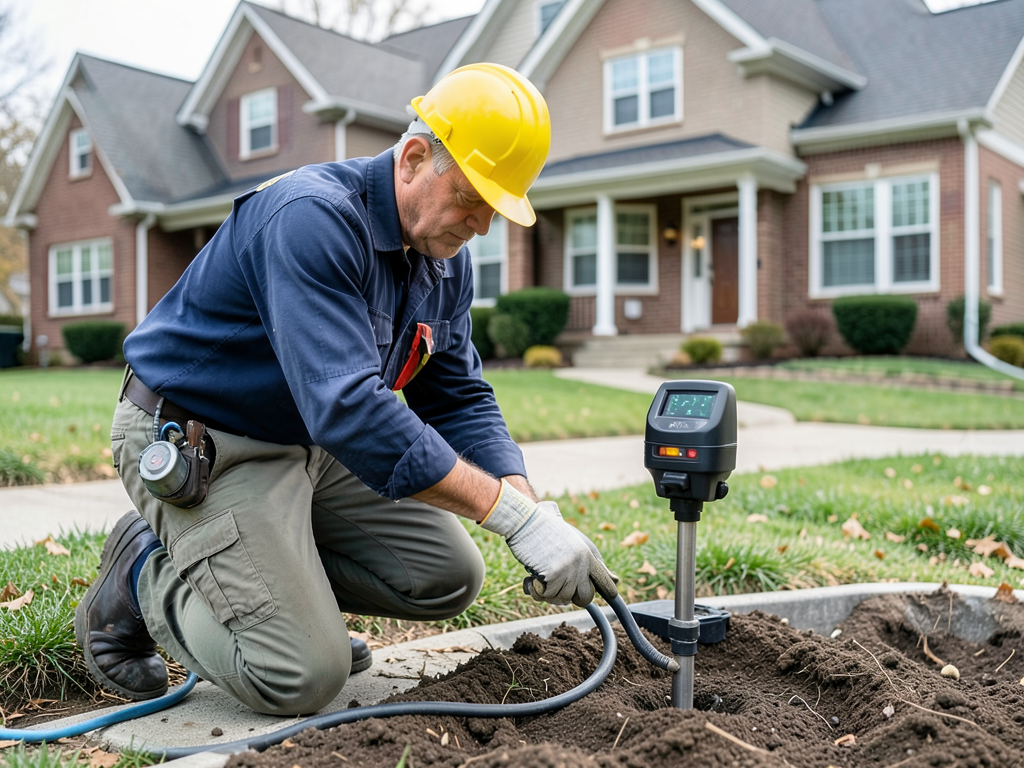
Image: Technical diagram showing septic tank decommissioning process with proper fill material specifications and groundwater protection measures.
Step-by-Step Septic-to-Sewer Conversion Process
The conversion follows a specific sequence that ensures compliance with all local and state regulations. Each step requires proper documentation and inspection before proceeding to the next phase.
- Initial Site Evaluation
A licensed plumber conducts soil testing, locates existing utilities, and assesses property access. This evaluation determines the most efficient connection route and identifies potential obstacles like mature trees or rock formations.
- Permit Acquisition
The contractor submits applications to the MDC, Hartford Department of Public Works, and the Connecticut DEEP. Processing typically takes 2-3 weeks depending on seasonal workload and application completeness.
- Septic System Decommissioning
Following DEEP requirements, the septic tank undergoes either complete removal or proper abandonment. The process includes pumping remaining contents, breaking tank bottom, and filling with approved material to prevent collapse.
- Sewer Lateral Installation
Contractors install the new sewer lateral from the home to the main line. This may involve trenching or trenchless methods depending on property conditions and homeowner preference.
- Final Inspection and Connection
The MDC conducts final inspection before activating the connection. The contractor performs backflow prevention testing and ensures all connections meet code requirements.
Cost Factors and Financial Considerations
Septic-to-sewer conversion costs vary significantly based on property characteristics and connection requirements. The Metropolitan District Commission charges a base connection fee plus usage charges that appear on monthly water bills.
| Cost Component | Typical Range | Factors Affecting Cost |
|---|---|---|
| MDC Connection Fee | $2,500 – $4,500 | Property size, distance to main line |
| Excavation & Trenching | $3,000 – $8,000 | Soil conditions, depth requirements |
| Septic Decommissioning | $1,500 – $3,500 | Tank size, removal vs. abandonment |
| Permit Fees | $500 – $1,200 | Number of permits required |
| Restoration & Landscaping | $1,000 – $4,000 | Driveway replacement, lawn repair |
| Total Estimated Cost | $8,500 – $21,200 |
Property owners should budget for unexpected costs that commonly arise during excavation. Hartford’s clay soil composition often requires additional equipment or labor when encountering rock formations or high water tables. Properties near the Connecticut River face higher excavation costs due to specialized equipment requirements.
Several financing options exist for Hartford homeowners. The MDC offers assessment programs that spread connection costs over 10-20 years through property tax bills. Some homeowners qualify for energy efficiency loans through Connecticut Green Bank, which can be used for septic-to-sewer conversions.
Common Challenges and Solutions
Septic-to-sewer conversion presents several challenges that experienced contractors anticipate and address proactively. Understanding these issues helps homeowners make informed decisions throughout the process.
Underground utility conflicts represent the most common obstacle. Hartford’s aging infrastructure means sewer lines often cross paths with gas, electric, or communication lines. Professional utility locating services using ground-penetrating radar identify these conflicts before excavation begins.
Seasonal weather affects project timelines significantly. Hartford experiences freeze-thaw cycles that can delay excavation during winter months. Spring rains create muddy conditions that slow progress and increase equipment wear. Most contractors recommend scheduling conversions during summer or early fall for optimal conditions.
Historic home considerations require specialized expertise. Many Hartford homes built before 1940 contain lead service lines or asbestos-cement pipes. Contractors must follow EPA guidelines for handling these materials and may need to coordinate with environmental specialists. Specialist Boiler Repair for Historic Homes in the West End.
Property access limitations affect equipment selection and project duration. Narrow driveways, steep slopes, or limited workspace may require smaller equipment or alternative installation methods. Trenchless technology offers solutions for properties with severe access restrictions but costs 20-30% more than traditional methods.
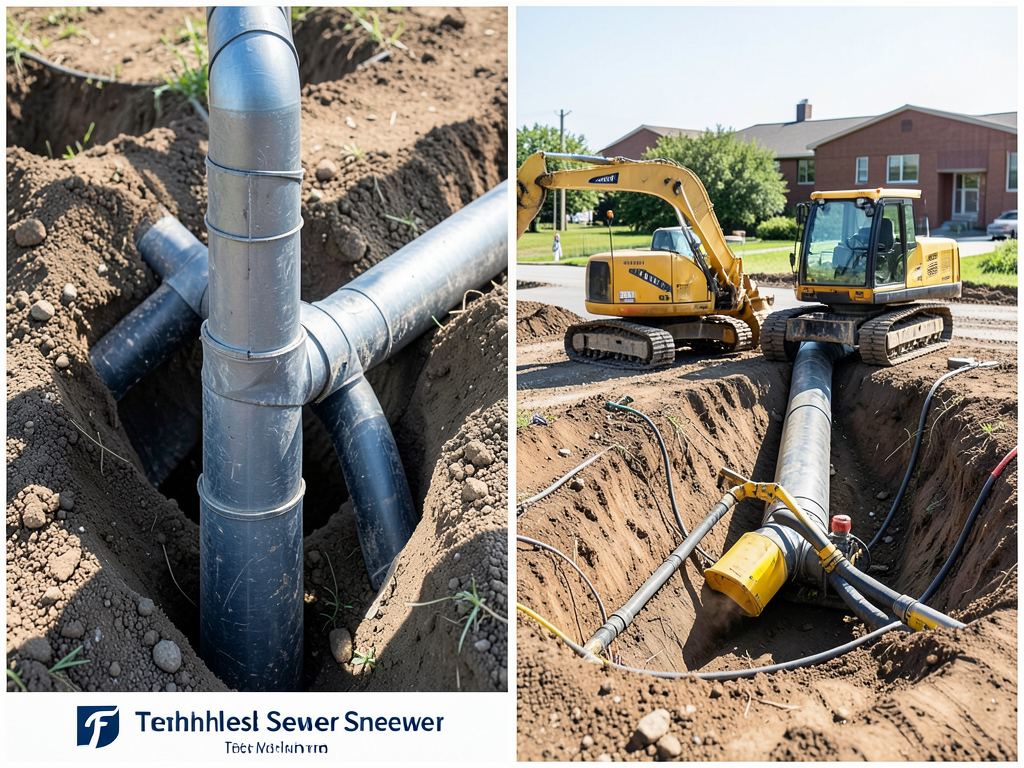
Image: Before and after comparison showing trenchless sewer installation with minimal yard disruption versus traditional trenching method.
Environmental and Property Value Benefits
Converting from septic to city sewer provides multiple benefits beyond simple waste removal. These advantages often justify the significant investment required for the conversion process.
Environmental protection represents the primary benefit. Properly maintained septic systems rarely fail, but when they do, contamination of groundwater and surface water creates serious health hazards. City sewer systems provide consistent treatment that prevents these failures and protects the Connecticut River watershed.
Property values typically increase 3-5% after sewer connection installation. Real estate professionals report that homes with city sewer connections sell faster and command higher prices than comparable properties with septic systems. This increase often offsets a significant portion of conversion costs.
Maintenance requirements decrease substantially after conversion. Septic systems require regular pumping every 3-5 years at costs of $300-500 per service. City sewer eliminates these recurring expenses and the risk of system failure during high-use periods like holidays or family gatherings.
Insurance considerations favor city sewer connections. Many insurance companies offer lower premiums for homes with municipal sewer service due to reduced liability for property damage from system failures. Some policies exclude coverage for septic system repairs or replacements entirely.
Choosing the Right Contractor
Selecting an experienced contractor significantly impacts project success and homeowner satisfaction. Hartford’s specific requirements demand contractors familiar with local regulations, soil conditions, and building practices.
Verify contractor licensing and insurance before signing any agreements. Connecticut requires plumbing contractors to maintain specific licenses for sewer work. Ask for proof of general liability insurance and workers’ compensation coverage to protect against accidents during the project. Who to Call for 24 Hour Emergency Plumbing Help in East Hartford.
Request references from recent septic-to-sewer conversion projects in Hartford. Contact these references to discuss their experience with the contractor, adherence to timelines, and handling of unexpected issues. Contractors should provide before-and-after photos of completed projects.
Obtain detailed written estimates from multiple contractors. Each estimate should break down costs by phase, specify materials to be used, and include timelines for completion. Compare not just total prices but the level of detail and professionalism in each proposal.
Ask about warranty coverage for both materials and workmanship. Quality contractors typically offer 1-2 year warranties on installation work and honor manufacturer warranties on materials. Understand what conditions void warranties and the process for filing claims.
Frequently Asked Questions
How long does a septic-to-sewer conversion take?
Most conversions require 2-4 weeks from start to finish. The permitting process takes 2-3 weeks, while actual construction typically requires 5-10 working days depending on weather and property conditions.
Will my yard be destroyed during the process?
Traditional trenching creates significant disruption, but experienced contractors minimize damage through careful planning. Trenchless methods reduce yard damage by 70-80% but cost more. Most properties require some restoration including reseeding or sod replacement.
Do I need a permit for septic-to-sewer conversion?
Yes, multiple permits are required from the MDC, Hartford Department of Public Works, and Connecticut DEEP. Your contractor should handle permit acquisition as part of the project scope.
Can I convert my septic system to city sewer myself?
No, Connecticut law requires licensed plumbers to perform sewer connections. The work involves specialized equipment, knowledge of building codes, and coordination with multiple agencies that homeowners cannot legally handle.
What happens to my old septic tank?
Connecticut regulations require either complete removal or proper abandonment in place. Abandonment involves pumping remaining contents, breaking the tank bottom, and filling with approved material to prevent collapse and groundwater contamination.
Image: Step-by-step illustration of proper septic tank abandonment process showing safety precautions and material specifications.
Making Your Decision
Septic-to-sewer conversion represents a significant investment that requires careful consideration of multiple factors. The decision ultimately depends on your specific situation, property characteristics, and long-term plans for the home.
Consider your timeline for selling the property. If you plan to sell within 5 years, the property value increase may justify the conversion cost. For long-term homeowners, the elimination of maintenance requirements and environmental benefits often provide the best return on investment.
Evaluate your property’s septic system condition. Systems over 20 years old or showing signs of failure may make conversion more urgent and cost-effective than continuing with repairs and maintenance. A professional inspection can determine your system’s remaining lifespan.
Review your financial situation and available financing options. The MDC assessment program allows spreading costs over many years, making conversion more affordable for many homeowners. Compare this to ongoing septic maintenance costs to determine the most economical approach. Making the Switch to Tankless Water Heaters in Glastonbury.
Consult with multiple contractors to understand your specific property requirements. Each property presents unique challenges based on soil conditions, existing utilities, and access limitations. Professional evaluations provide accurate cost estimates and timeline projections.
Next Steps
Ready to explore septic-to-sewer conversion for your Hartford property? The first step involves a professional site evaluation to determine your specific requirements and provide accurate cost estimates.
Call (860) 743-9699 today to schedule your inspection. Our experienced team understands Hartford’s unique requirements and can guide you through every step of the conversion process. Don’t wait until your septic system fails – plan your conversion now and enjoy the benefits of reliable city sewer service.
Pick up the phone and call (860) 743-9699 before the next storm hits. Hartford’s clay soil becomes especially problematic during wet weather, potentially delaying your project for months. Act now to secure your spot on our schedule and protect your property from septic system failures.
You may also find this helpful. What to Do When Tree Roots Take Over Your Barry Square Sewer Line.
{
“@context”: “https://schema.org”,
“@type”: “BlogPosting”,
“headline”: “What to Know Before Moving from Septic to City Sewer in the Hartford Suburbs”,
“description”: “Learn the complete process of converting from septic to city sewer in Hartford. Understand MDC requirements, costs, permits, and timelines before making the switch.”,
“wordCount”: 1737,
“datePublished”: “2026-03-21T13:47:00.000Z”,
“dateModified”: “2026-03-21T13:47:00.000Z”,
“inLanguage”: “en-US”,
“mainEntityOfPage”: {
“@type”: “WebPage”,
“@id”: “https://fivestarplumbinghartford.com”
},
“publisher”: {
“@type”: “LocalBusiness”,
“name”: “Five Star Plumbing Hartford”,
“url”: “https://fivestarplumbinghartford.com”
},
“author”: {
“@type”: “Organization”,
“name”: “Five Star Plumbing Hartford”,
“url”: “https://fivestarplumbinghartford.com”
},
“image”: {
“@type”: “ImageObject”,
“url”: “https://fivestarplumbinghartford.com/wp-content/uploads/2026/03/what-to-know-before-moving-from-septic-to-city-sew-1.png”
}
}
{
“@context”: “https://schema.org”,
“@type”: “Plumber”,
“name”: “Five Star Plumbing Hartford”,
“url”: “https://fivestarplumbinghartford.com”,
“address”: {
“@type”: “PostalAddress”,
“addressLocality”: “Hartford”
},
“areaServed”: {
“@type”: “City”,
“name”: “Hartford”
}
}
{
“@context”: “https://schema.org”,
“@type”: “FAQPage”,
“mainEntity”: [
{
“@type”: “Question”,
“name”: “How long does a septic-to-sewer conversion take?”,
“acceptedAnswer”: {
“@type”: “Answer”,
“text”: “Most conversions require 2-4 weeks from start to finish. The permitting process takes 2-3 weeks, while actual construction typically requires 5-10 working days depending on weather and property conditions.”
}
},
{
“@type”: “Question”,
“name”: “Will my yard be destroyed during the process?”,
“acceptedAnswer”: {
“@type”: “Answer”,
“text”: “Traditional trenching creates significant disruption, but experienced contractors minimize damage through careful planning. Trenchless methods reduce yard damage by 70-80% but cost more. Most properties require some restoration including reseeding or sod replacement.”
}
},
{
“@type”: “Question”,
“name”: “Do I need a permit for septic-to-sewer conversion?”,
“acceptedAnswer”: {
“@type”: “Answer”,
“text”: “Yes, multiple permits are required from the MDC, Hartford Department of Public Works, and Connecticut DEEP. Your contractor should handle permit acquisition as part of the project scope.”
}
},
{
“@type”: “Question”,
“name”: “Can I convert my septic system to city sewer myself?”,
“acceptedAnswer”: {
“@type”: “Answer”,
“text”: “No, Connecticut law requires licensed plumbers to perform sewer connections. The work involves specialized equipment, knowledge of building codes, and coordination with multiple agencies that homeowners cannot legally handle.”
}
},
{
“@type”: “Question”,
“name”: “What happens to my old septic tank?”,
“acceptedAnswer”: {
“@type”: “Answer”,
“text”: “Connecticut regulations require either complete removal or proper abandonment in place. Abandonment involves pumping remaining contents, breaking the tank bottom, and filling with approved material to prevent collapse and groundwater contamination.”
}
}
]
}
{
“@context”: “https://schema.org”,
“@type”: “HowTo”,
“name”: “Septic to Sewer Conversion Process”,
“step”: [
{
“@type”: “HowToStep”,
“position”: 1,
“name”: “Initial Site Evaluation”,
“text”: “A licensed plumber conducts soil testing, locates existing utilities, and assesses property access. This evaluation determines the most efficient connection route and identifies potential obstacles like mature trees or rock formations.”
},
{
“@type”: “HowToStep”,
“position”: 2,
“name”: “Permit Acquisition”,
“text”: “The contractor submits applications to the MDC, Hartford Department of Public Works, and the Connecticut DEEP. Processing typically takes 2-3 weeks depending on seasonal workload and application completeness.”
},
{
“@type”: “HowToStep”,
“position”: 3,
“name”: “Septic System Decommissioning”,
“text”: “Following DEEP requirements, the septic tank undergoes either complete removal or proper abandonment. The process includes pumping remaining contents, breaking tank bottom, and filling with approved material to prevent collapse.”
},
{
“@type”: “HowToStep”,
“position”: 4,
“name”: “Sewer Lateral Installation”,
“text”: “Contractors install the new sewer lateral from the home to the main line. This may involve trenching or trenchless methods depending on property conditions and homeowner preference.”
},
{
“@type”: “HowToStep”,
“position”: 5,
“name”: “Final Inspection and Connection”,
“text”: “The MDC conducts final inspection before activating the connection. The contractor performs backflow prevention testing and ensures all connections meet code requirements.”
}
],
“image”: “https://fivestarplumbinghartford.com/wp-content/uploads/2026/03/what-to-know-before-moving-from-septic-to-city-sew-1.png”
}
{
“@context”: “https://schema.org”,
“@type”: “BreadcrumbList”,
“itemListElement”: [
{
“@type”: “ListItem”,
“position”: 1,
“name”: “Home”,
“item”: “https://fivestarplumbinghartford.com”
},
{
“@type”: “ListItem”,
“position”: 2,
“name”: “Blog”,
“item”: “https://fivestarplumbinghartford.com/blog”
},
{
“@type”: “ListItem”,
“position”: 3,
“name”: “What to Know Before Moving from Septic to City Sewer in the Hartford Suburbs”
}
]
}
{
“@context”: “https://schema.org”,
“@type”: “Service”,
“serviceType”: “Plumbing”,
“provider”: {
“@type”: “LocalBusiness”,
“name”: “Five Star Plumbing Hartford”,
“url”: “https://fivestarplumbinghartford.com”
},
“areaServed”: {
“@type”: “City”,
“name”: “Hartford”
},
“description”: “Learn the complete process of converting from septic to city sewer in Hartford. Understand MDC requirements, costs, permits, and timelines before making the switch.”
}