
Plumbing Essentials for Building a Tiny Home or ADU in Bloomfield
Building an Accessory Dwelling Unit in Bloomfield requires understanding specific Connecticut plumbing codes Hartford permit requirements and New England climate challenges. This guide covers everything from sewer connections to winterization so your project stays on schedule and passes inspection. Connecticut HB 6107 ADU legislation.
Understanding Hartford’s ADU Plumbing Requirements
Connecticut’s accessory dwelling unit laws changed significantly in 2023 when HB 6107 passed allowing municipalities to permit ADUs more freely. In Hartford County including Bloomfield this means your tiny home or ADU must meet specific plumbing standards before receiving final approval from the Hartford Building Department. Hartford Department of Development Services.
The first step involves determining whether your ADU will connect to existing utilities or require separate service. Most Bloomfield properties built after 1970 have adequate sewer capacity for an additional unit but older homes near the historic district may need lateral line upgrades. Signs You Need Sewer Repair.
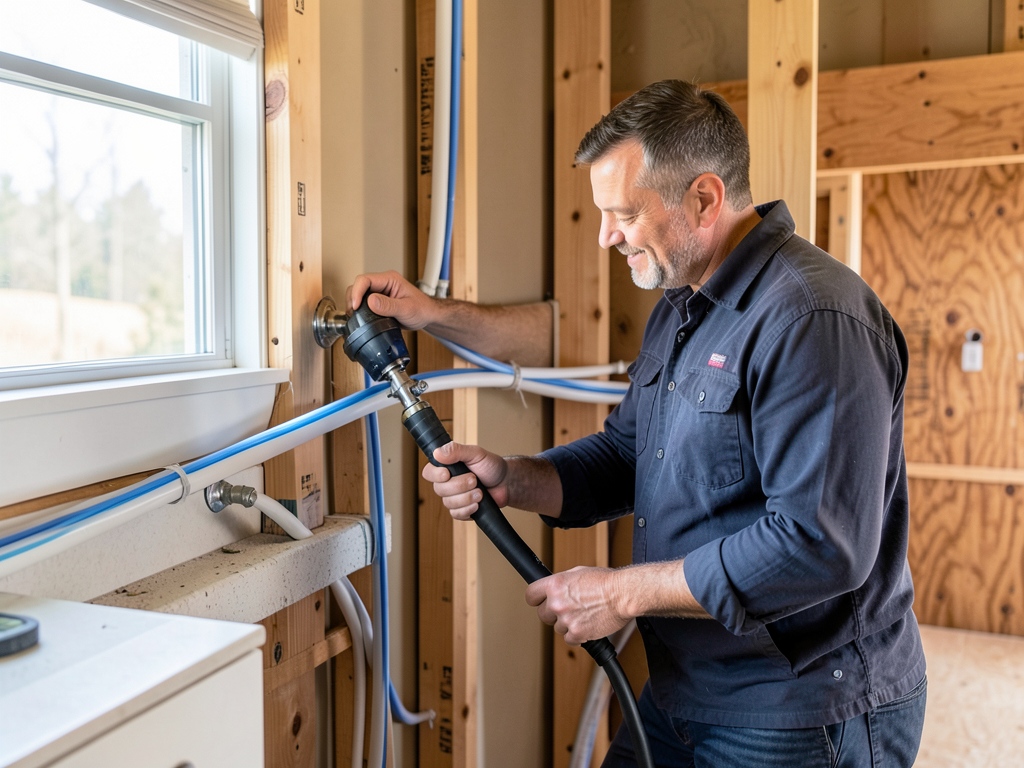
Sewer Line Logistics Shared vs Separate Connections
The Metropolitan District Commission (MDC) governs sewer connections in Bloomfield. For properties within the MDC service area you have two options tie into the main house sewer line or install a separate lateral to the street. Metropolitan District Commission.
Shared connections require a backwater valve installation to prevent cross-contamination between units. The valve must be accessible for maintenance and clearly marked on plumbing plans submitted to the Hartford Building Department. Separate laterals need proper slope calculations based on the Connecticut State Building Code which requires a minimum 1/4 inch per foot slope for 4-inch PVC pipe. Who to Call for 24 Hour Emergency Plumbing Help in East Hartford.
Properties near the Farmington River may have different requirements due to the MDC’s combined sewer overflow system. In these areas additional backflow prevention devices are mandatory to protect against river flooding during heavy storms.
Water Supply and Metering Requirements
Water supply for ADUs in Bloomfield follows Metropolitan District Commission standards. If your ADU shares the main house meter you’ll need a separate shutoff valve and backflow preventer installed upstream of the main house valve. This protects the public water supply from contamination.
For separate metering the MDC requires a minimum 3/4-inch service line for residential ADUs. The pipe must be buried below the frost line which is 42 inches in Connecticut according to the Connecticut State Building Code Section 305.6. This depth prevents freezing during harsh New England winters.
Water pressure calculations become critical in multi-story ADUs. The code requires maintaining at least 20 psi at the highest fixture. If your property is on a hill or your ADU has multiple floors you may need a pressure booster pump installed by a licensed plumber.
Venting and Drainage for Small Spaces
Tiny homes and ADUs present unique venting challenges due to limited wall space. The International Plumbing Code allows wet venting in certain configurations where one fixture’s vent also serves as a drain for another fixture. Plumbing East Hampton.
For below-grade ADUs or basement conversions macerating pumps offer a practical solution. These upflush toilets grind waste and pump it vertically to the main sewer line eliminating the need for extensive under-floor plumbing. However they require dedicated electrical circuits and regular maintenance. Plumbing Newington.
The Hartford Building Department requires all ADU drainage systems to include cleanouts at every change of direction and at the base of vertical stacks. These cleanouts must be accessible without removing walls or fixtures. Repair Your West Hartford Sewer Line Without Digging Up the Yard.
The Hartford Permitting Process
Plumbing permits for ADUs in Bloomfield follow a specific process through the Hartford Department of Development Services. First submit detailed plumbing plans showing pipe sizes materials and fixture locations. The plans must be stamped by a Connecticut-licensed plumber.. Read more about Is Your West Hartford Garden Ready for a Greywater Recycling System?.
Permit fees vary based on project scope but typically range from $250 to $600 for ADU plumbing work. The Hartford Building Department reviews plans within 10 business days. Once approved you have six months to complete the work before the permit expires.
Final inspections require testing all plumbing systems. This includes pressure testing water lines at 100 psi for 15 minutes and verifying proper drainage flow rates. The inspector will also check that all required backflow preventers are installed and accessible.
Estimated Costs for ADU Plumbing in Connecticut
| Plumbing Component | Cost Range | Notes |
|---|---|---|
| Rough-in plumbing | $3000 – $6000 | Based on linear feet of pipe and fixture count |
| Water heater installation | $1200 – $2500 | Tankless units cost more but save space |
| Backflow preventer | $300 – $600 | Required for shared water service |
| Sewer lateral tie-in | $2000 – $4000 | Cost varies by excavation needs |
| Permit fees | $250 – $600 | Based on project scope and valuation |
Winterization Requirements for Connecticut ADUs
Connecticut’s severe winter freeze cycles make proper insulation critical for ADU plumbing. All pipes in exterior walls or unheated spaces need insulation rated for local conditions. The Connecticut State Building Code requires a minimum R-3 insulation for water supply pipes in unconditioned spaces.
For detached ADUs consider installing heat tape on exposed pipes and insulating the water meter pit. The MDC requires these installations to have thermostatic controls to prevent energy waste and reduce fire hazards.
Outdoor hose bibs need frost-free sill cocks that extend 12 inches into heated space. These prevent freezing and potential pipe bursts during January cold snaps common in Bloomfield.
Common ADU Plumbing Mistakes to Avoid
Undersized water lines cause pressure drops when multiple fixtures run simultaneously. A tiny home with a full kitchen bathroom and laundry needs at least 3/4-inch supply lines to maintain adequate flow.. Read more about Choosing the Right Sized Water Main for Your New Home Addition in Simsbury.
Improper venting leads to slow drains and gurgling fixtures. Every plumbing fixture needs proper air circulation to drain correctly. Skipping vents to save space creates chronic drainage problems.
Ignoring local frost depth requirements results in frozen pipes. The 42-inch frost line in Connecticut means pipes buried less than 3.5 feet deep will freeze during severe cold spells.
Choosing the Right Plumbing Contractor
Look for a Connecticut-licensed plumber with experience in ADU projects. The contractor should understand local building codes MDC requirements and New England climate challenges. Ask for references from similar projects in Bloomfield or nearby areas.
A qualified plumber will provide detailed plans showing pipe routing fixture locations and material specifications. They should also explain the permitting process and coordinate inspections with the Hartford Building Department.
Call (860) 743-9699 today to schedule your ADU plumbing consultation. We’ll review your plans identify potential code issues and provide a detailed estimate for your Bloomfield project.
Frequently Asked Questions
Do I need a separate water meter for my ADU?
Not necessarily. You can share the main house meter with proper backflow prevention but separate metering makes utility billing easier and may be required by local ordinances.
How long does ADU plumbing permitting take in Bloomfield?
Plan for 2-3 weeks for plan review and permit issuance. Construction can typically begin within a week after permit approval.
Can I use PEX piping for my ADU plumbing?
Yes PEX is allowed under Connecticut State Building Code and works well for ADUs. It’s flexible resists freezing and installs quickly in tight spaces.
What’s the minimum ceiling height for ADU plumbing fixtures?
The International Residential Code requires 6 feet 8 inches minimum clearance in front of toilets and 30 inches by 48 inches in front of sinks for accessibility.
Do I need a grease trap for my ADU kitchen?
Single-family ADUs typically don’t require grease traps but if you’re building a larger unit with commercial-style cooking the MDC may require one.
Ready to Start Your ADU Project?
Building an ADU in Bloomfield involves navigating complex plumbing requirements local codes and Connecticut climate challenges. Don’t let plumbing issues delay your project or cause costly rework.
Our team understands Hartford-area ADU requirements and can help you avoid common pitfalls. We’ll handle everything from permit applications to final inspections ensuring your project meets all code requirements.
Call (860) 743-9699 now to schedule your ADU plumbing consultation. We’ll review your plans identify potential issues and provide a detailed estimate to keep your project on track and within budget.
You may also find this helpful. Essential Septic Tank Maintenance for Homeowners in the Suffield Countryside.
{
“@context”: “https://schema.org”,
“@type”: “BlogPosting”,
“headline”: “Plumbing Essentials for Building a Tiny Home or ADU in Bloomfield”,
“description”: “Complete guide to ADU plumbing in Bloomfield CT. Learn about sewer connections, water supply, permits, and winterization for your tiny home or accessory dwelling unit.”,
“wordCount”: 1346,
“datePublished”: “2026-05-27T07:04:00.000Z”,
“dateModified”: “2026-05-27T07:04:00.000Z”,
“inLanguage”: “en-US”,
“mainEntityOfPage”: {
“@type”: “WebPage”,
“@id”: “https://fivestarplumbinghartford.com”
},
“publisher”: {
“@type”: “LocalBusiness”,
“name”: “Five Star Plumbing Hartford”,
“url”: “https://fivestarplumbinghartford.com”
},
“author”: {
“@type”: “Organization”,
“name”: “Five Star Plumbing Hartford”,
“url”: “https://fivestarplumbinghartford.com”
},
“image”: {
“@type”: “ImageObject”,
“url”: “https://fivestarplumbinghartford.com/wp-content/uploads/2026/03/plumbing-essentials-for-building-a-tiny-home-or-ad-1.png”
}
}
{
“@context”: “https://schema.org”,
“@type”: “Plumber”,
“name”: “Five Star Plumbing Hartford”,
“url”: “https://fivestarplumbinghartford.com”,
“address”: {
“@type”: “PostalAddress”,
“addressLocality”: “Hartford”
},
“areaServed”: {
“@type”: “City”,
“name”: “Hartford”
}
}
{
“@context”: “https://schema.org”,
“@type”: “FAQPage”,
“mainEntity”: [
{
“@type”: “Question”,
“name”: “Do I need a separate water meter for my ADU?”,
“acceptedAnswer”: {
“@type”: “Answer”,
“text”: “Not necessarily. You can share the main house meter with proper backflow prevention but separate metering makes utility billing easier and may be required by local ordinances.”
}
},
{
“@type”: “Question”,
“name”: “How long does ADU plumbing permitting take in Bloomfield?”,
“acceptedAnswer”: {
“@type”: “Answer”,
“text”: “Plan for 2-3 weeks for plan review and permit issuance. Construction can typically begin within a week after permit approval.”
}
},
{
“@type”: “Question”,
“name”: “Can I use PEX piping for my ADU plumbing?”,
“acceptedAnswer”: {
“@type”: “Answer”,
“text”: “Yes PEX is allowed under Connecticut State Building Code and works well for ADUs. It’s flexible resists freezing and installs quickly in tight spaces.”
}
},
{
“@type”: “Question”,
“name”: “What’s the minimum ceiling height for ADU plumbing fixtures?”,
“acceptedAnswer”: {
“@type”: “Answer”,
“text”: “The International Residential Code requires 6 feet 8 inches minimum clearance in front of toilets and 30 inches by 48 inches in front of sinks for accessibility.”
}
},
{
“@type”: “Question”,
“name”: “Do I need a grease trap for my ADU kitchen?”,
“acceptedAnswer”: {
“@type”: “Answer”,
“text”: “Single-family ADUs typically don’t require grease traps but if you’re building a larger unit with commercial-style cooking the MDC may require one.”
}
},
{
“@type”: “Question”,
“name”: “Ready to Start Your ADU Project?”,
“acceptedAnswer”: {
“@type”: “Answer”,
“text”: “Building an ADU in Bloomfield involves navigating complex plumbing requirements local codes and Connecticut climate challenges. Don’t let plumbing issues delay your project or cause costly rework.”
}
}
]
}
{
“@context”: “https://schema.org”,
“@type”: “BreadcrumbList”,
“itemListElement”: [
{
“@type”: “ListItem”,
“position”: 1,
“name”: “Home”,
“item”: “https://fivestarplumbinghartford.com”
},
{
“@type”: “ListItem”,
“position”: 2,
“name”: “Blog”,
“item”: “https://fivestarplumbinghartford.com/blog”
},
{
“@type”: “ListItem”,
“position”: 3,
“name”: “Plumbing Essentials for Building a Tiny Home or ADU in Bloomfield”
}
]
}
{
“@context”: “https://schema.org”,
“@type”: “Service”,
“serviceType”: “Plumbing”,
“provider”: {
“@type”: “LocalBusiness”,
“name”: “Five Star Plumbing Hartford”,
“url”: “https://fivestarplumbinghartford.com”
},
“areaServed”: {
“@type”: “City”,
“name”: “Hartford”
},
“description”: “Complete guide to ADU plumbing in Bloomfield CT. Learn about sewer connections, water supply, permits, and winterization for your tiny home or accessory dwelling unit.”
}