
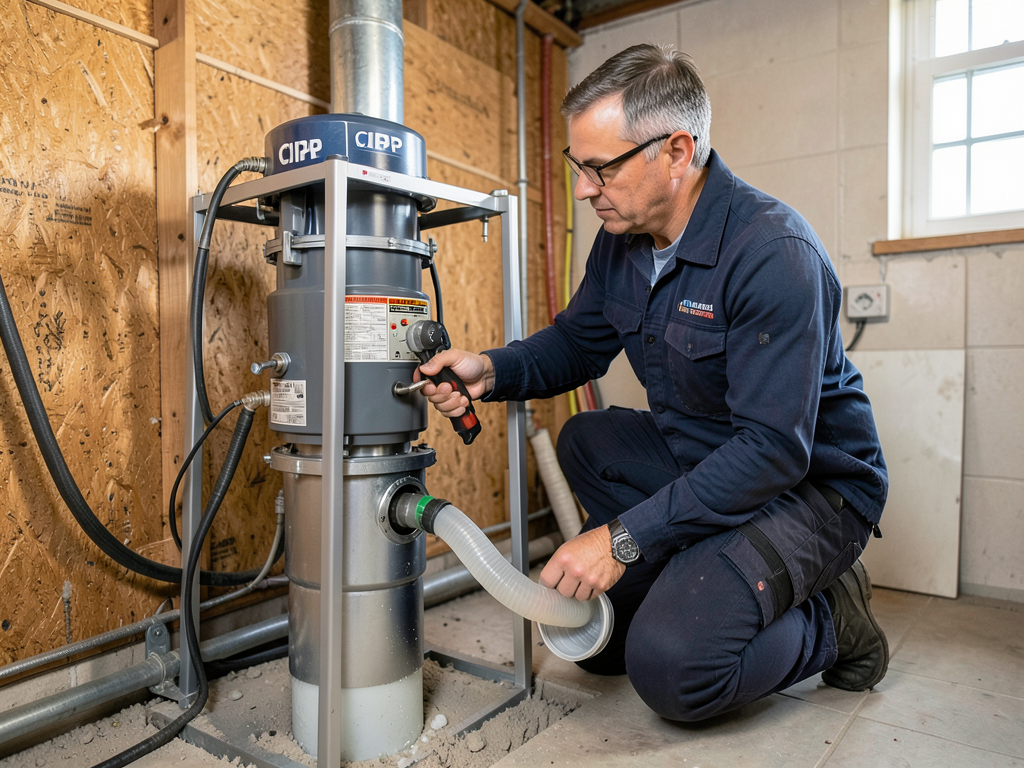
Comparing Traditional Pipe Replacement and Cured-In-Place Pipe Lining in Hartford
Choosing between traditional pipe replacement and Cured-In-Place Pipe (CIPP) lining can save Hartford homeowners thousands of dollars and weeks of disruption. Traditional excavation requires digging trenches through yards, driveways, and sidewalks to remove and replace damaged pipes. CIPP lining installs a new pipe inside the old one without major digging, using epoxy resin to create a seamless replacement that lasts 50+ years. For Hartford’s historic neighborhoods and Connecticut’s freeze-thaw cycles, this decision affects both your property and your wallet. Repair Your West Hartford Sewer Line Without Digging Up the Yard.
How Traditional Pipe Replacement Works in Hartford
Traditional pipe replacement starts with locating the damaged section through video inspection. Crews then excavate a trench at least 18 inches wide and deep enough to expose the pipe below the frost line. In Hartford, that means digging 3 to 4 feet deep to prevent freezing. The old pipe gets cut out, connections are made to the main sewer line, and new PVC or cast iron pipe gets installed. The trench gets backfilled, compacted, and the surface restored. Signs You Need Sewer Repair.
Key drawbacks in Hartford: Excavation often hits rocky Connecticut soil, increasing labor time. Historic districts like the West End face strict preservation rules. Heavy equipment can damage mature trees and century-old foundations. Weather delays are common during winter months when ground freezes.
The CIPP Lining Process Explained
CIPP lining avoids excavation by creating a new pipe inside the damaged one. First, a video inspection identifies cracks, root intrusion, and pipe condition. The pipe gets cleaned with hydro jetting to remove debris. A felt tube saturated with epoxy resin gets inserted through existing cleanouts or small access points. Air pressure or steam inverts the tube, pressing it against the old pipe walls. The resin cures in hours, forming a jointless pipe within a pipe.
Why Hartford homeowners choose CIPP: Most jobs finish in one day versus weeks for excavation. Minimal yard damage means no costly landscaping restoration. The smooth epoxy surface resists future root intrusion. CIPP works well in Hartford’s older homes where pipes run under finished basements or near historic foundations.
Side-by-Side Comparison: Hartford Cost and Timeline Analysis
| Factor | Traditional Excavation | CIPP Lining |
|---|---|---|
| Installation Time | 3-7 days (weather dependent) | 4-8 hours |
| Cost per Linear Foot | $150-$300 (plus restoration) | $80-$120 |
| Landscape Damage | Major trenching through lawn, driveway | Small access holes only |
| Expected Lifespan | 75-100 years (new pipe) | 50+ years (epoxy liner) |
| Weather Sensitivity | High (frozen ground delays) | Low (can work year-round) |
Connecticut Climate Impact on Pipe Longevity
Hartford’s climate creates unique challenges for sewer pipes. Winter temperatures drop below 20°F, causing soil to freeze and expand. This frost heave shifts pipes, creating cracks in cast iron and clay lines common in homes built before 1980. Spring thaws bring rapid temperature changes that stress pipe joints. Summer humidity accelerates corrosion in older metal pipes.. Read more about How to Hide Ugly Exposed Pipes in Your Downtown Hartford Loft.
Golden Nugget: Connecticut’s frost line depth requirement of 3.5 feet means traditional replacement trenches must reach deeper than many homeowners expect. This depth requirement alone can add $500-$1,000 to excavation projects in Hartford’s West End and South Green neighborhoods.
When CIPP Lining Cannot Be Used
CIPP works for most Hartford homes but has limitations. Severe pipe collapse or complete separation prevents lining installation. Pipes with negative slope or back-pitch that cause standing water won’t drain properly after lining. Major structural damage from tree roots may require excavation to remove the roots first. EPA low-VOC standards.
Diagnostic test we perform: We use a pipe inspection camera with sonar profiling to measure pipe wall thickness and identify soft spots. This test reveals whether the existing pipe can support the epoxy liner pressure during installation.
MDC Regulations and Hartford Permitting Requirements
The Metropolitan District (MDC) regulates sewer laterals in Hartford. Property owners must obtain permits before any sewer work. MDC requires video inspection documentation showing the problem area. For CIPP projects, MDC accepts epoxy resin materials meeting ASTM F1216 standards for structural rehabilitation. ASTM F1216 standards.
Connecticut Building Code Reference: Connecticut State Building Code Section 702.3 requires sewer pipe installation to maintain minimum slopes of 1/4 inch per foot for proper drainage. This code applies to both traditional replacement and CIPP lining projects.
Cost Factors Specific to Hartford Properties
Hartford’s housing stock affects project costs. Historic homes in the West End often have cast iron pipes from the 1920s-1940s that corrode from the inside out. These pipes look intact externally but have minimal wall thickness remaining. Colonial-era homes in South Green may have original clay pipes with multiple joint separations.. Read more about Why Your Historic West End Home Might Need a Thermal Expansion Tank.
Golden Nugget: Hartford’s clay soil composition, combined with the city’s high water table near the Connecticut River, creates hydrostatic pressure on underground pipes. This pressure accelerates joint separation in older pipes, making CIPP’s jointless design particularly effective for Hartford’s conditions.
Property Restoration Costs: The Hidden Factor
Traditional excavation requires restoring driveways, sidewalks, and landscaping. In Hartford’s established neighborhoods, mature trees and custom stonework increase restoration complexity. A typical driveway replacement costs $8-$15 per square foot. Historic brick walkways require specialized masons at $25-$40 per square foot.. Read more about What Every Hartford Homeowner Should Know About the City Lead Pipe Replacement Program.
CIPP eliminates most restoration costs. The only excavation involves small access pits at each end of the repair section, usually 2×2 feet. This minimal disturbance preserves existing landscaping and avoids permit requirements for surface restoration.
Energy and Water Efficiency Considerations
Smooth epoxy liners improve flow characteristics compared to corroded cast iron. Water moves 30% faster through CIPP-lined pipes, reducing pumping energy for homes with basement ejector pumps. The seamless interior prevents debris buildup that slows drainage in older pipes.
For Hartford’s older homes, this efficiency gain means less strain on aging plumbing systems. Reduced turbulence also minimizes pipe noise, a common complaint in historic districts where pipes run through finished living spaces. Who to Call for 24 Hour Emergency Plumbing Help in East Hartford.
Making Your Decision: Hartford-Specific Checklist
- Schedule video inspection to determine pipe condition and damage extent
- Check MDC records for your property’s sewer lateral age and material
- Evaluate landscaping and hardscape value that excavation would affect
- Consider winter timing if choosing traditional replacement (delays likely)
- Get quotes for both methods including all restoration costs
Frequently Asked Questions
How long does CIPP epoxy resin off-gas after installation?
Modern epoxy resins meet EPA low-VOC standards and cure within 4-6 hours. The off-gassing period is minimal, typically less than 24 hours. MDC permits CIPP installations year-round based on current EPA guidelines for indoor air quality.
Can CIPP fix root intrusion problems?
CIPP creates a seamless barrier that roots cannot penetrate. However, if roots have severely damaged the pipe structure, excavation may be needed first to remove the root mass. We assess this during video inspection.
Is winter installation possible for either method?
CIPP works year-round since it’s a closed system. Traditional excavation faces significant delays when ground freezes below 4 inches. Hartford typically sees frozen ground conditions from late December through early March.
How do I know if my Hartford home has cast iron or clay pipes?
Homes built before 1970 in Hartford likely have cast iron sewer lines. Properties from 1920-1960 may have clay pipes with multiple joints. Video inspection provides definitive identification and condition assessment.
Call (860) 743-9699 for Your Hartford Pipe Assessment
Don’t let pipe problems disrupt your home. Whether you need traditional replacement or CIPP lining, we’ll provide honest recommendations based on your specific situation. Our Hartford team understands local soil conditions, building codes, and historic preservation requirements. Call (860) 743-9699 today to schedule your inspection before small problems become major emergencies.
Pick up the phone and call (860) 743-9699 before the next storm hits. Hartford’s freeze-thaw cycles won’t wait, and neither should you when it comes to protecting your home’s plumbing infrastructure. Plumbing East Hampton.
You may also find this helpful. Why Your Vernon Shower Suddenly Gets Scalding Hot (And How to Fix the Valve).
You may also find this helpful. Why You Should Never Ignore a Damp Spot on Your Wethersfield Ceiling.
{
“@context”: “https://schema.org”,
“@type”: “BlogPosting”,
“headline”: “Comparing Traditional Pipe Replacement and Cured-In-Place Pipe Lining in Hartford”,
“description”: “Compare CIPP pipe lining vs traditional excavation for Hartford homes. Learn costs, lifespan, MDC regulations, and when trenchless is best for Connecticut’s climate.”,
“wordCount”: 1291,
“datePublished”: “2026-04-27T11:00:00.000Z”,
“dateModified”: “2026-04-27T11:00:00.000Z”,
“inLanguage”: “en-US”,
“mainEntityOfPage”: {
“@type”: “WebPage”,
“@id”: “https://fivestarplumbinghartford.com”
},
“publisher”: {
“@type”: “LocalBusiness”,
“name”: “Five Star Plumbing Hartford”,
“url”: “https://fivestarplumbinghartford.com”
},
“author”: {
“@type”: “Organization”,
“name”: “Five Star Plumbing Hartford”,
“url”: “https://fivestarplumbinghartford.com”
},
“image”: {
“@type”: “ImageObject”,
“url”: “https://fivestarplumbinghartford.com/wp-content/uploads/2026/03/comparing-traditional-pipe-replacement-and-cured-i-1.png”
}
}
{
“@context”: “https://schema.org”,
“@type”: “Plumber”,
“name”: “Five Star Plumbing Hartford”,
“url”: “https://fivestarplumbinghartford.com”,
“address”: {
“@type”: “PostalAddress”,
“addressLocality”: “Hartford”
},
“areaServed”: {
“@type”: “City”,
“name”: “Hartford”
}
}
{
“@context”: “https://schema.org”,
“@type”: “FAQPage”,
“mainEntity”: [
{
“@type”: “Question”,
“name”: “How long does CIPP epoxy resin off-gas after installation?”,
“acceptedAnswer”: {
“@type”: “Answer”,
“text”: “Modern epoxy resins meet EPA low-VOC standards and cure within 4-6 hours. The off-gassing period is minimal, typically less than 24 hours. MDC permits CIPP installations year-round based on current EPA guidelines for indoor air quality.”
}
},
{
“@type”: “Question”,
“name”: “Can CIPP fix root intrusion problems?”,
“acceptedAnswer”: {
“@type”: “Answer”,
“text”: “CIPP creates a seamless barrier that roots cannot penetrate. However, if roots have severely damaged the pipe structure, excavation may be needed first to remove the root mass. We assess this during video inspection.”
}
},
{
“@type”: “Question”,
“name”: “Is winter installation possible for either method?”,
“acceptedAnswer”: {
“@type”: “Answer”,
“text”: “CIPP works year-round since it’s a closed system. Traditional excavation faces significant delays when ground freezes below 4 inches. Hartford typically sees frozen ground conditions from late December through early March.”
}
},
{
“@type”: “Question”,
“name”: “How do I know if my Hartford home has cast iron or clay pipes?”,
“acceptedAnswer”: {
“@type”: “Answer”,
“text”: “Homes built before 1970 in Hartford likely have cast iron sewer lines. Properties from 1920-1960 may have clay pipes with multiple joints. Video inspection provides definitive identification and condition assessment.”
}
}
]
}
{
“@context”: “https://schema.org”,
“@type”: “BreadcrumbList”,
“itemListElement”: [
{
“@type”: “ListItem”,
“position”: 1,
“name”: “Home”,
“item”: “https://fivestarplumbinghartford.com”
},
{
“@type”: “ListItem”,
“position”: 2,
“name”: “Blog”,
“item”: “https://fivestarplumbinghartford.com/blog”
},
{
“@type”: “ListItem”,
“position”: 3,
“name”: “Comparing Traditional Pipe Replacement and Cured-In-Place Pipe Lining in Hartford”
}
]
}
{
“@context”: “https://schema.org”,
“@type”: “Service”,
“serviceType”: “Plumbing”,
“provider”: {
“@type”: “LocalBusiness”,
“name”: “Five Star Plumbing Hartford”,
“url”: “https://fivestarplumbinghartford.com”
},
“areaServed”: {
“@type”: “City”,
“name”: “Hartford”
},
“description”: “Compare CIPP pipe lining vs traditional excavation for Hartford homes. Learn costs, lifespan, MDC regulations, and when trenchless is best for Connecticut’s climate.”
}