
What to Consider Before Installing a Second Floor Laundry Room in Glastonbury
Adding a laundry room to your second floor in Glastonbury sounds convenient until you realize the water damage risks and plumbing complexities involved. Hartford homeowners face unique challenges with older home structures, local building codes, and the potential for catastrophic leaks that could destroy ceilings and walls below. Before you start tearing out walls or running new pipes, you need to understand the complete picture of what makes a second floor laundry installation both safe and code-compliant. Who to Call for 24 Hour Emergency Plumbing Help in East Hartford.
The decision to move your laundry upstairs involves more than just convenience. You need to consider structural reinforcement, proper drainage systems, emergency shut-off valves, and Hartford-specific permit requirements. Let me walk you through everything you need to know before making this significant home modification. Making the Switch to Tankless Water Heaters in Glastonbury.
Essential Plumbing Requirements for Upstairs Laundry
Second floor laundry rooms require specific plumbing setups that differ dramatically from basement installations. The primary concern is water pressure and drainage flow when working against gravity. You need dedicated hot and cold water supply lines with proper shut-off valves, a correctly sized standpipe for your washing machine, and a comprehensive venting system to prevent sewer gas backup. Signs You Need Sewer Repair.
The drainage system must handle peak water flow during the spin cycle. Standard washing machines discharge between 10 to 20 gallons per minute during the drain cycle. This requires a 2-inch diameter drain pipe minimum, not the 1.5-inch pipe often used in older homes. The standpipe must extend 18 to 30 inches above the trap weir to prevent overflow while allowing proper air circulation.
Water hammer arrestors become critical on upper floors where pipe movement creates more stress on connections. These devices absorb the shock when valves close suddenly, preventing pipe bursts at joints. Without them, you risk developing pinhole leaks in walls that remain hidden until major damage occurs.
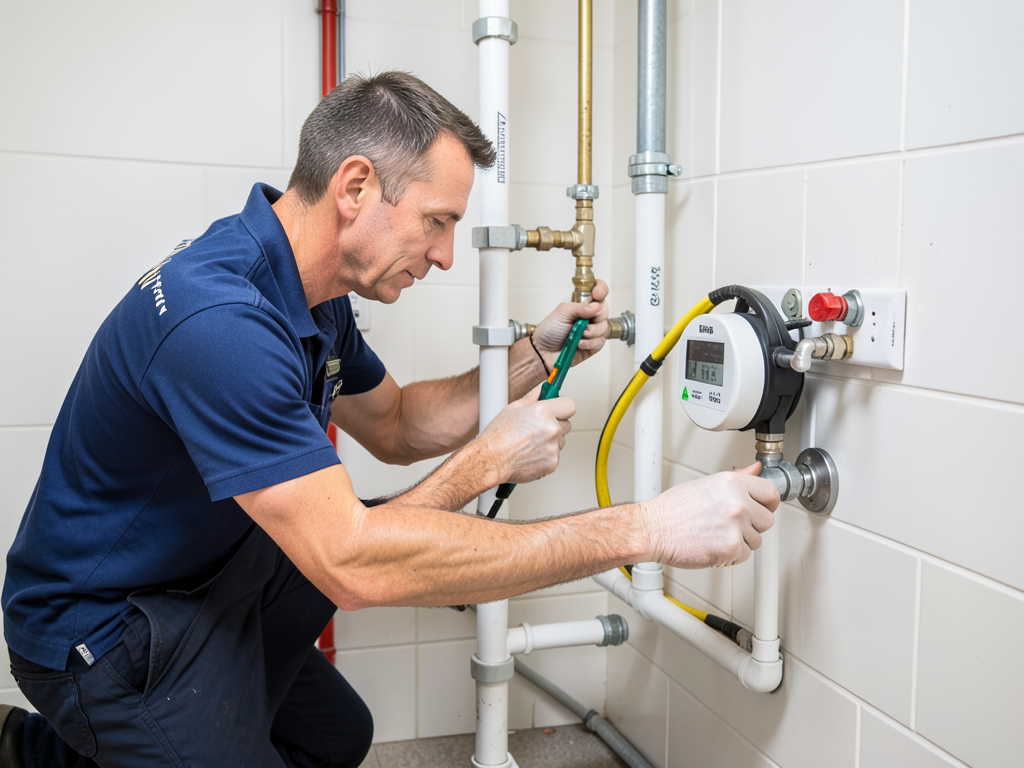
– Diagram showing proper second floor laundry room plumbing layout with standpipe dimensions, water hammer arrestors, and emergency shut-off valve placement.
Preventing Water Damage: The Hartford Standard
Water damage from upstairs laundry rooms ranks among the most expensive home insurance claims in Connecticut. The Hartford area experiences rapid freeze-thaw cycles that stress plumbing connections, and many homes have aging galvanized pipes that corrode from the inside out. You need multiple layers of protection beyond basic plumbing. Connecticut State Building Code.
Emergency drain pans with built-in overflow sensors provide the first line of defense. These pans catch leaks from the washing machine or supply lines and activate automatic shut-off valves when water is detected. Modern systems like FloodStop connect directly to your home’s water supply and can isolate the laundry room within seconds of detecting moisture.
Floor drains in laundry rooms might seem excessive until you calculate the cost of ceiling repairs from a single washing machine overflow. A typical second floor laundry leak can damage flooring, subfloor, ceiling drywall, electrical wiring, and personal belongings below. The cost often exceeds $10,000 for a single incident. EPA WaterSense.
Reinforcing floor joists becomes necessary when installing heavy front-loading washers that create significant vibration during spin cycles. Standard 16-inch on-center floor joists may need sistering or additional blocking to prevent movement that loosens plumbing connections over time. The vibration also transmits through the structure, creating noise that disturbs bedrooms below. Plumbing East Hampton.
Hartford Building Codes and Permits
Connecticut State Building Code based on the 2021 International Plumbing Code requires permits for all second floor laundry installations. The Hartford Department of Development Services mandates inspections at three stages: rough-in plumbing, final plumbing, and final building inspection. Skipping permits can result in fines up to $500 per day and complications when selling your home. Repair Your West Hartford Sewer Line Without Digging Up the Yard.
The permit process involves submitting detailed plumbing plans showing pipe routing, fixture locations, and ventilation systems. Hartford inspectors specifically check for proper P-trap installation, adequate venting to prevent sewer gas infiltration, and compliance with minimum pipe sizing requirements. They also verify that emergency shut-off valves meet current safety standards.
Older Glastonbury homes built before 1980 often have insufficient structural support for second floor laundry additions. The code requires structural engineering calculations when removing walls or creating new openings for plumbing access. This becomes especially critical in historic districts where exterior modifications need additional approvals.
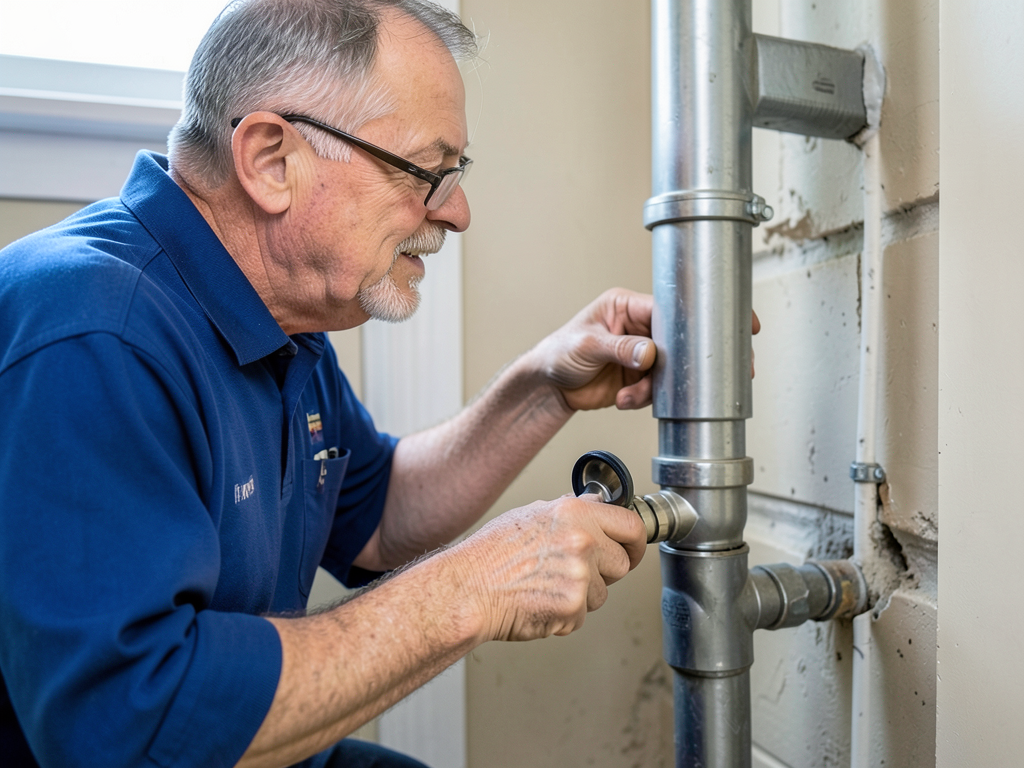
– Photo of Hartford plumbing inspector examining second floor laundry rough-in installation, showing proper P-trap configuration and vent stack connection.
Cost Factors for Second Floor Retrofitting
Second floor laundry room installations cost significantly more than basement setups due to the complexity of running new supply lines and drainage through existing walls and floors. Basic installations start around $3,500 for straightforward cases where plumbing can run through interior walls. Complex retrofits with structural modifications can exceed $8,000.
Labor costs in the Hartford area run higher than national averages due to the technical expertise required for upstairs installations. Master plumbers charge $125 to $175 per hour, and second floor work often takes 50% longer than basement installations due to accessibility challenges and the need for precision to prevent damage to finished spaces below.
Material costs include not just pipes and fittings but also specialized components like vibration isolation pads, reinforced subfloor materials, and high-quality shut-off valve systems. Premium automatic shut-off systems with moisture sensors add $300 to $500 but provide invaluable protection against catastrophic leaks.
Hidden costs often surprise homeowners. Removing and replacing wallboard to access plumbing runs can add $1,000 to $2,000 in repair costs. Electrical upgrades may be necessary if the existing circuit cannot handle the additional load from a new washing machine and dryer.
Noise and Vibration Considerations
Washer and dryer noise travels easily through wood-framed construction common in Glastonbury homes. Front-loading washers create particularly problematic vibrations that can be felt throughout the house. You need to address both airborne noise and structure-borne vibration to maintain peace in bedrooms below.
Sound-dampening materials like mass-loaded vinyl applied to walls and ceilings can reduce noise transmission by up to 50%. Anti-vibration pads under washer feet prevent floor resonance, while isolated mounting systems for dryers minimize vibration transfer to the structure. Some installations require floating floors with rubber isolation to achieve acceptable noise levels.
The location within the house matters significantly. Laundry rooms placed above kitchens or living rooms create fewer problems than those above bedrooms. If bedroom locations cannot be changed, additional soundproofing becomes essential. This includes resilient channels for ceiling installation and specialized insulation designed for sound attenuation.
Dryer Venting Requirements
Interior laundry rooms require special consideration for dryer venting since you cannot simply run a vent through an exterior wall. Venting through the roof becomes necessary, requiring proper roof flashing and termination caps to prevent water infiltration. The vent pipe must be rigid metal, not flexible duct, to prevent lint buildup that creates fire hazards.
Long vent runs reduce dryer efficiency and increase drying times. Every 90-degree bend in the vent pipe adds equivalent length, reducing airflow. Hartford building codes limit total vent length to 35 feet maximum, with reductions for each bend. Proper vent sizing ensures moisture and lint evacuate quickly, preventing mold growth in wall cavities.
Condensing dryers offer an alternative for interior rooms but cost $300 to $500 more than standard models. These units collect moisture in a tank rather than venting it outside, eliminating the need for roof penetration. However, they require regular tank emptying and may not dry clothes as quickly as vented models.
Hot and Cold Water Line Extension
Extending water supply lines to second floors requires careful planning to maintain adequate pressure. Standard residential water pressure of 40 to 60 psi drops significantly over distance and elevation. You may need to install a pressure-boosting pump if the existing system cannot maintain minimum pressure at the new fixtures.
Hot water recirculation systems prevent the long wait for hot water that frustrates many second floor laundry installations. These systems keep hot water circulating through the pipes, providing instant hot water when you start the washing machine. While they add $400 to $600 to installation costs, they eliminate water waste and improve convenience.
Pipe insulation becomes critical for second floor installations where hot water lines run through unconditioned attic spaces or exterior walls. Uninsulated pipes can lose 20% of their heat before reaching the laundry room, increasing energy costs and extending wash cycles. Hartford’s cold winters make proper insulation essential for preventing frozen pipes.
Smart Technology Integration
Modern laundry rooms benefit from smart technology that provides peace of mind for second floor installations. Wi-Fi enabled water sensors placed under washing machines send alerts to your smartphone when moisture is detected. These systems can automatically shut off water supply and notify you of potential problems before major damage occurs.
Smart washing machines with automatic load sensing and leak detection add another layer of protection. These units can detect abnormal water usage patterns and shut down before overflows occur. Some models integrate with home automation systems to provide real-time monitoring of water consumption and potential leak locations.
Water usage monitoring helps identify developing problems before they become catastrophic. A sudden increase in water usage might indicate a slow leak in the laundry room supply lines. Smart meters can detect these anomalies and alert you to investigate before significant damage occurs.
Maintenance Requirements
Second floor laundry rooms require more frequent maintenance than basement installations due to the increased risk of water damage. Annual inspections should check all supply line connections, drain fittings, and shut-off valve operation. Look for signs of corrosion, mineral buildup, or moisture staining that indicates developing problems.
Supply line replacement every five years prevents failures from aging rubber hoses that deteriorate from constant pressure and heat exposure. Stainless steel braided lines cost more initially but last significantly longer than standard rubber hoses. The investment pays off when you consider the damage potential from a burst supply line.
Drain line cleaning prevents slow draining that can cause washing machine overflows. Hair, lint, and soap scum accumulate in drain pipes over time, reducing capacity. Professional drain cleaning every two years keeps the system flowing properly and prevents emergency situations during heavy wash loads.
Insurance Considerations
Standard homeowner’s insurance policies may not cover all types of water damage from second floor laundry rooms. Some insurers require additional riders or specific safety features like automatic shut-off valves before providing full coverage. Check with your insurance provider about requirements and potential premium adjustments.
Document your installation with photos and inspection reports. This documentation proves you followed proper procedures and installed required safety features if you ever need to file a claim. Some insurance companies offer premium discounts for homes with comprehensive leak detection and automatic shut-off systems.
Consider a separate water damage rider that covers cleanup and restoration costs beyond standard policy limits. Water damage claims often exceed $10,000, and standard policies may have sub-limits for certain types of water damage. The additional premium is minimal compared to the protection it provides.
Choosing the Right Location
Within your second floor, some locations work better than others for laundry rooms. Rooms above garages or unconditioned spaces create condensation problems when warm, moist air contacts cold surfaces. You need proper insulation and vapor barriers to prevent moisture accumulation in walls and ceilings.
Proximity to existing plumbing reduces installation costs and complexity. Laundry rooms near bathrooms or kitchens can often share existing water supply and drain lines, reducing the need for new pipe runs through walls and floors. This also simplifies venting since you can tie into existing vent stacks.
Consider the room’s intended use beyond laundry. If you plan to use it as a mudroom or storage area, you need additional considerations for floor durability and moisture resistance. Ceramic tile or luxury vinyl plank flooring works better than carpet or hardwood in laundry spaces.
Energy Efficiency Considerations
Second floor laundry rooms can be more energy efficient than basement installations due to reduced heat loss from shorter hot water runs. However, you need to consider the energy required for dryer venting and potential heat gain in summer months. Proper insulation and ventilation maintain comfort while controlling energy costs.
High-efficiency washing machines use 40% less water than standard models, reducing the load on your plumbing system and water heater. These units also extract more water during the spin cycle, reducing dryer run times and energy consumption. The higher initial cost typically pays for itself within three to five years through utility savings.
Heat pump dryers offer the highest efficiency but cost $800 to $1,200 more than standard electric models. These units recycle heat rather than venting it outside, using 50% less energy than conventional dryers. They work well in interior laundry rooms where venting is challenging.
Professional vs. DIY Installation
Second floor laundry installations require professional expertise due to the complexity and risk involved. Licensed plumbers understand local codes, proper venting requirements, and structural considerations that DIY installers often overlook. The cost of professional installation pales compared to potential water damage from improper plumbing.
DIY installations risk code violations that can complicate future home sales or insurance claims. Hartford inspectors can require removal and reinstallation of non-compliant work, doubling your costs. Professional plumbers carry liability insurance that protects you if installation errors cause damage to your home or neighboring properties.
Professional installation includes warranty protection on both labor and materials. Most reputable plumbers offer one-year warranties on their work, providing recourse if problems develop after installation. This protection is unavailable with DIY installations where you bear all responsibility for failures.
Future-Proofing Your Installation
Consider future needs when planning your second floor laundry room. Will you need to add a utility sink? Do you plan to install a steam dryer that requires additional water connections? Planning for these possibilities during initial installation costs less than retrofitting later.
Install extra shut-off valves and access panels during construction. These features make future maintenance easier and allow quick isolation of problems without affecting the entire house’s water supply. Access panels also simplify leak detection and repair by providing direct access to plumbing connections.
Consider smart home integration during planning. Running low-voltage wiring for future smart devices costs little during construction but becomes expensive to add later. Planning for technology integration ensures your laundry room can adapt to future innovations in home automation and water management.
Final Considerations Before Starting
Before beginning your second floor laundry installation, get a professional assessment of your home’s plumbing system and structural capacity. A qualified plumber can identify potential problems and recommend solutions that prevent costly mistakes. This assessment typically costs $200 to $400 but can save thousands in avoided problems.
Obtain all necessary permits before starting work. Hartford building officials can provide specific requirements for your property based on its age, construction type, and location. Permit fees vary but typically range from $150 to $400 depending on project complexity.
Plan for temporary disruptions during installation. Second floor work often requires shutting off water to the entire house and may involve cutting into walls and ceilings. Professional plumbers work efficiently to minimize disruption, but you should prepare for at least one day without normal water service.
Call (860) 743-9699 today to schedule your inspection. Our master plumbers have installed hundreds of second floor laundry rooms throughout Glastonbury and understand the unique challenges of Hartford-area homes. We’ll assess your specific situation, provide detailed recommendations, and ensure your installation meets all local codes and safety standards.
Frequently Asked Questions
How much does a second floor laundry room installation cost in Glastonbury?
Second floor laundry installations typically cost between $3,500 and $8,000 depending on complexity. Basic installations with existing plumbing access start around $3,500, while complex retrofits requiring structural modifications can exceed $8,000. Professional installation includes permits, materials, and warranty protection.
Do I need a permit for a second floor laundry room in Hartford?
Yes, Connecticut State Building Code requires permits for all second floor laundry installations. The Hartford Department of Development Services mandates inspections at rough-in, final plumbing, and final building stages. Permit fees range from $150 to $400 depending on project complexity.
What happens if my second floor laundry room leaks?
Second floor laundry leaks can cause extensive damage to ceilings, walls, flooring, and personal belongings below. Water damage costs often exceed $10,000 for a single incident. Emergency drain pans with automatic shut-off valves and water sensors provide crucial protection against catastrophic leaks.
Can I install a second floor laundry room in my older Glastonbury home?
Older homes can accommodate second floor laundry rooms, but may require structural reinforcement and plumbing upgrades. Homes built before 1980 often need floor joist reinforcement and may have insufficient water pressure for second floor fixtures. A professional assessment determines specific requirements for your home.
How long does installation take?
Professional second floor laundry installations typically require 2 to 4 days depending on complexity. This includes plumbing rough-in, fixture installation, and final inspections. You should prepare for at least one day without normal water service during the installation process.
{
“@context”: “https://schema.org”,
“@type”: “BlogPosting”,
“headline”: “What to Consider Before Installing a Second Floor Laundry Room in Glastonbury”,
“description”: “Discover essential plumbing requirements, building codes, and flood prevention for second floor laundry rooms in Glastonbury homes. Learn about Hartford permits, venting systems, and structural reinforcements.”,
“wordCount”: 2844,
“datePublished”: “2026-05-05T10:32:00.000Z”,
“dateModified”: “2026-05-05T10:32:00.000Z”,
“inLanguage”: “en-US”,
“mainEntityOfPage”: {
“@type”: “WebPage”,
“@id”: “https://fivestarplumbinghartford.com”
},
“publisher”: {
“@type”: “LocalBusiness”,
“name”: “Five Star Plumbing Hartford”,
“url”: “https://fivestarplumbinghartford.com”
},
“author”: {
“@type”: “Organization”,
“name”: “Five Star Plumbing Hartford”,
“url”: “https://fivestarplumbinghartford.com”
},
“image”: {
“@type”: “ImageObject”,
“url”: “https://fivestarplumbinghartford.com/wp-content/uploads/2026/03/what-to-consider-before-installing-a-second-floor-1.png”
}
}
{
“@context”: “https://schema.org”,
“@type”: “Plumber”,
“name”: “Five Star Plumbing Hartford”,
“url”: “https://fivestarplumbinghartford.com”,
“address”: {
“@type”: “PostalAddress”,
“addressLocality”: “Hartford”
},
“areaServed”: {
“@type”: “City”,
“name”: “Hartford”
}
}
{
“@context”: “https://schema.org”,
“@type”: “FAQPage”,
“mainEntity”: [
{
“@type”: “Question”,
“name”: “How much does a second floor laundry room installation cost in Glastonbury?”,
“acceptedAnswer”: {
“@type”: “Answer”,
“text”: “Second floor laundry installations typically cost between $3,500 and $8,000 depending on complexity. Basic installations with existing plumbing access start around $3,500, while complex retrofits requiring structural modifications can exceed $8,000. Professional installation includes permits, materials, and warranty protection.”
}
},
{
“@type”: “Question”,
“name”: “Do I need a permit for a second floor laundry room in Hartford?”,
“acceptedAnswer”: {
“@type”: “Answer”,
“text”: “Yes, Connecticut State Building Code requires permits for all second floor laundry installations. The Hartford Department of Development Services mandates inspections at rough-in, final plumbing, and final building stages. Permit fees range from $150 to $400 depending on project complexity.”
}
},
{
“@type”: “Question”,
“name”: “What happens if my second floor laundry room leaks?”,
“acceptedAnswer”: {
“@type”: “Answer”,
“text”: “Second floor laundry leaks can cause extensive damage to ceilings, walls, flooring, and personal belongings below. Water damage costs often exceed $10,000 for a single incident. Emergency drain pans with automatic shut-off valves and water sensors provide crucial protection against catastrophic leaks.”
}
},
{
“@type”: “Question”,
“name”: “Can I install a second floor laundry room in my older Glastonbury home?”,
“acceptedAnswer”: {
“@type”: “Answer”,
“text”: “Older homes can accommodate second floor laundry rooms, but may require structural reinforcement and plumbing upgrades. Homes built before 1980 often need floor joist reinforcement and may have insufficient water pressure for second floor fixtures. A professional assessment determines specific requirements for your home.”
}
},
{
“@type”: “Question”,
“name”: “How long does installation take?”,
“acceptedAnswer”: {
“@type”: “Answer”,
“text”: “Professional second floor laundry installations typically require 2 to 4 days depending on complexity. This includes plumbing rough-in, fixture installation, and final inspections. You should prepare for at least one day without normal water service during the installation process.”
}
}
]
}
{
“@context”: “https://schema.org”,
“@type”: “BreadcrumbList”,
“itemListElement”: [
{
“@type”: “ListItem”,
“position”: 1,
“name”: “Home”,
“item”: “https://fivestarplumbinghartford.com”
},
{
“@type”: “ListItem”,
“position”: 2,
“name”: “Blog”,
“item”: “https://fivestarplumbinghartford.com/blog”
},
{
“@type”: “ListItem”,
“position”: 3,
“name”: “What to Consider Before Installing a Second Floor Laundry Room in Glastonbury”
}
]
}
{
“@context”: “https://schema.org”,
“@type”: “Service”,
“serviceType”: “Plumbing”,
“provider”: {
“@type”: “LocalBusiness”,
“name”: “Five Star Plumbing Hartford”,
“url”: “https://fivestarplumbinghartford.com”
},
“areaServed”: {
“@type”: “City”,
“name”: “Hartford”
},
“description”: “Discover essential plumbing requirements, building codes, and flood prevention for second floor laundry rooms in Glastonbury homes. Learn about Hartford permits, venting systems, and structural reinforcements.”
}