
Dealing with Shifting Soil and Cracked Sewer Pipes in the North Meadows
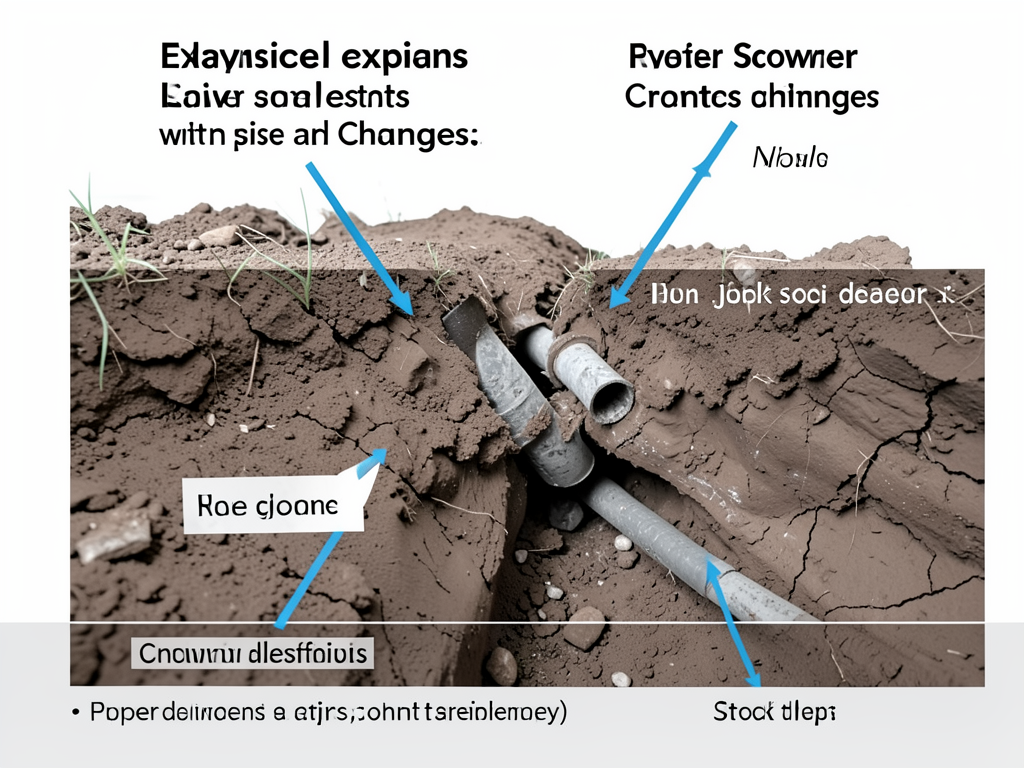
North Meadows homeowners face a hidden threat beneath their properties. The Connecticut River Valley’s expansive clay soil expands when wet and contracts when dry, creating constant movement that pushes against underground pipes. This natural process causes sewer lines to crack, separate at joints, and eventually fail. Understanding this soil behavior is the first step to protecting your home’s plumbing system. EPA information on sewer systems.
The North Meadows area sits on a foundation of glacial till and river deposits that make it particularly vulnerable to soil shifting. When winter freezes penetrate the ground and spring rains saturate the clay, the pressure on buried pipes increases dramatically. Many homes in this neighborhood were built between the 1950s and 1970s with clay or cast iron sewer lines that are now reaching the end of their lifespan. The combination of aging materials and aggressive soil conditions creates a perfect storm for pipe damage. Signs You Need Sewer Repair.
Why Hartford Soil Causes Pipe Misalignment
The Role of Connecticut Clay and Silt
Connecticut’s soil contains high percentages of expansive clay minerals that absorb water like a sponge. When these minerals get wet, they can expand up to 10% in volume. The North Meadows sits on soil classified as Windsor silt loam with clay subsoils, a composition that’s particularly problematic for underground utilities. This soil type has a plasticity index that indicates high shrink-swell potential, meaning it moves significantly with moisture changes.
The Impact of Frost Heave during CT Winters
Connecticut experiences frost depths of 30 to 42 inches, well below the typical sewer line depth of 4 to 6 feet. When water in the soil freezes, it expands by approximately 9% in volume. This expansion creates upward pressure that can lift entire sections of pipe. The freeze-thaw cycle in Hartford typically occurs 15 to 20 times per winter, each cycle adding stress to pipe joints and creating microscopic fractures that grow larger over time. Repair Your West Hartford Sewer Line Without Digging Up the Yard.
Hydrostatic Pressure and Soil Erosion
Water from heavy rains or melting snow creates hydrostatic pressure against buried pipes. The North Meadows area receives an average of 45 inches of precipitation annually, with most falling between March and June. This concentrated moisture period coincides with the spring thaw, creating maximum stress on sewer lines. Additionally, improper grading around homes can direct water toward foundation walls, accelerating soil erosion around pipes and creating voids that allow further movement.. Read more about Stop Sewer Backups for Good with a Professional Backwater Valve.
5 Warning Signs Your Pipes Have Shifted
Sudden increase in water bills
A broken sewer pipe leaking into the surrounding soil wastes thousands of gallons monthly. If your water bill jumps 20% or more without explanation, underground damage may be the cause. The Metropolitan District (MDC) water authority has reported that undetected leaks account for up to 14% of residential water usage in Hartford County.
Cracks in foundation or drywall
Soil movement doesn’t just affect pipes directly. As the ground shifts, it creates pressure against foundation walls that shows up as stair-step cracks in brick or diagonal cracks in drywall. These patterns typically appear near window corners or above doors where structural stress concentrates.. Read more about How Heavy Traffic and Road Work Can Stress the Pipes in the South End.
Slow drains and persistent sewage smells
When pipes shift, they create low spots called bellies where waste collects instead of flowing freely. You might notice toilets that don’t flush completely or sinks that drain slowly even after cleaning. The trapped waste decomposes, releasing hydrogen sulfide gas that smells like rotten eggs. This gas is not only unpleasant but can be toxic at high concentrations.
Lush green patches in the yard
Sewer line leaks act as fertilizer for grass and plants. If you notice a patch of lawn that’s significantly greener or grows faster than surrounding areas, especially during dry periods, it could indicate a broken pipe underground. The sewage provides nutrients that create these abnormal growth patterns.
Indentations in the driveway or lawn
As soil erodes around damaged pipes, the surface above can collapse slightly. You might notice a depression running in a straight line where your sewer pipe runs, or a soft spot in your lawn that feels spongy when walked on. These depressions often indicate a complete pipe collapse or severe misalignment.
The Risks of Ignoring Soil-Related Pipe Damage
Foundation instability is the most serious consequence of untreated pipe damage. As soil erodes around broken sewer lines, it creates voids beneath your home’s foundation. This can lead to differential settling where one part of your house sinks while another remains stable, causing structural damage that costs tens of thousands to repair.
Sinkholes represent another dangerous outcome. When large sections of soil wash away through damaged pipes, the surface can suddenly collapse. In Hartford’s North Meadows, several homes have experienced partial yard collapses that damaged landscaping and created safety hazards for children and pets.
Structural water damage occurs when leaking sewer lines saturate foundation walls. This moisture promotes mold growth, wood rot in floor joists, and deterioration of concrete. The Connecticut Department of Public Health reports that 60% of chronic basement moisture problems stem from exterior water intrusion through foundation cracks.
Property value depreciation is inevitable when pipe damage goes unaddressed. Home inspectors routinely check for signs of foundation movement and sewer line integrity. A history of repairs or visible damage can reduce your home’s market value by 5-10% and complicate the selling process.
Repair Solutions for Hartford Homeowners
Trenchless Pipe Lining (CIPP)
Cured-in-place pipe lining creates a new pipe within your existing damaged pipe. Technicians insert a felt tube saturated with epoxy resin into the damaged line, then inflate it. The resin cures in 3-6 hours, forming a jointless pipe within a pipe. This method works for pipes with diameters from 2 to 36 inches and can repair pipes with up to 10% missing structural integrity.
The process requires only two access points, typically at cleanouts or vent stacks. For North Meadows homes, this means minimal yard disruption since most properties have limited space between houses. The new lining has a projected lifespan of 50+ years and resists root intrusion and corrosion better than original clay or cast iron pipes.
Pipe Bursting
Pipe bursting replaces severely damaged pipes by pulling a new pipe through the old one while simultaneously fracturing the old pipe outward. A bursting head attached to a cable breaks apart the existing pipe as it’s pulled through, allowing the new pipe to take its place. This method works for complete pipe replacement when lining isn’t possible.
For Hartford’s older neighborhoods, pipe bursting typically uses high-density polyethylene (HDPE) pipe, which resists ground movement better than traditional materials. The new pipe can be upsized during replacement, improving flow capacity by 25-40% compared to original installations.
Traditional Excavation and Replacement
Complete excavation remains necessary when pipes have collapsed completely or when multiple fittings need replacement. This method involves digging a trench along the damaged pipe section, removing the old pipe, and installing new PVC or ABS pipe with proper bedding material. While more disruptive, excavation allows inspection of surrounding soil conditions and correction of grading issues.
In North Meadows, excavation costs vary based on depth and accessibility. Most residential sewer lines run 4-6 feet deep, but frost line requirements in Hartford County mandate a minimum depth of 42 inches for new installations. Excavation also provides opportunity to install cleanouts at strategic locations, making future maintenance easier. Making the Switch to Tankless Water Heaters in Glastonbury.
Preventative Measures and Maintenance
Gutter management prevents excess water from saturating soil around your foundation. Ensure downspouts extend at least 6 feet from your house and direct water away from sewer line paths. Clean gutters twice yearly, especially in autumn when Hartford’s oak and maple trees drop leaves that can clog drainage systems.
Soil moisture consistency reduces the expansion-contraction cycle that damages pipes. During dry summer months, consider using soaker hoses to maintain even soil moisture around your foundation. This prevents the extreme shrinkage that occurs when Hartford’s clay soil dries out completely, which can create gaps that fill with water during the next rain.
Annual camera inspections catch problems before they become emergencies. A video camera inspection costs $250-400 and can identify joint separations, root intrusion, or developing bellies. The Connecticut State Plumbing Code requires camera inspections for all sewer repairs over $2,000, but annual inspections for prevention are equally valuable. Who to Call for 24 Hour Emergency Plumbing Help in East Hartford.
Root barrier installation protects pipes from tree root intrusion, a common problem in North Meadows where mature trees are abundant. Chemical root barriers create a zone around pipes that inhibits root growth without harming the tree. Physical barriers made of metal or thick plastic can also be installed during repairs to prevent future intrusion.
Understanding Hartford’s Building Requirements
The Connecticut State Building Code, based on the International Plumbing Code, requires specific practices for sewer line repairs in Hartford. All excavations deeper than 42 inches must have shoring to prevent cave-ins. The code also mandates proper bedding material beneath new pipes – typically crushed stone or sand that allows drainage and prevents point loading. Plumbing East Hampton.
Hartford County requires permits for all sewer line repairs affecting the main building drain. The permit process includes submission of repair plans and inspection of completed work. Most repairs require inspections at both the midpoint and final stages to ensure compliance with local requirements.
Backflow prevention devices are mandatory for homes with basement fixtures. Hartford’s building code requires reduced pressure principle assemblies or double-check valve assemblies to prevent sewage backup during heavy rain events when municipal systems become overwhelmed. These devices must be tested annually by certified technicians.
Insurance considerations affect repair decisions. Most Hartford homeowners’ policies exclude damage from earth movement, including soil shifting that damages pipes. However, some policies offer specific endorsements for underground utility damage. Document all repairs and maintain records of maintenance to support insurance claims if needed.
Making the Right Choice for Your Home
Choosing between repair methods depends on several factors specific to your North Meadows property. Pipe material, damage extent, property layout, and budget all influence the best solution. A professional inspection using video camera technology can identify the exact nature and location of damage, allowing informed decision-making.
Consider the age of your home when planning repairs. Many North Meadows properties built before 1980 used Orangeburg pipe, a tar-paper composite that deteriorates rapidly. These pipes often require complete replacement rather than repair. Homes from the 1980s onward typically used PVC, which lasts longer but can still suffer from soil movement damage.
Environmental factors unique to Hartford should influence your repair strategy. The area’s freeze-thaw cycles, heavy spring rains, and clay soil composition all point toward solutions that accommodate ground movement. Flexible joints, proper bedding, and materials resistant to soil chemistry provide the best long-term results.
Future property plans matter when selecting repair methods. If you’re planning landscaping or additions, choose repair techniques that won’t interfere with those plans. Trenchless methods preserve existing landscapes, while traditional excavation might be better if you’re planning to regrade your yard anyway.
Frequently Asked Questions
How do I know if my sewer pipe is damaged?
Look for warning signs like slow drains, sewage odors, lush grass patches, foundation cracks, or unexpectedly high water bills. The most reliable method is a professional video camera inspection that can identify damage before it causes major problems.
How much does sewer pipe repair cost in Hartford?
Repair costs vary widely based on damage extent and repair method. Simple spot repairs might cost $1,500-3,000, while complete line replacement can range from $5,000-15,000. Trenchless methods often cost 20-30% more initially but save on landscape restoration.
Can I prevent soil from damaging my pipes?
While you can’t stop natural soil movement, you can minimize damage through proper maintenance. Keep soil moisture consistent, manage surface water runoff, avoid planting trees near sewer lines, and schedule annual camera inspections to catch problems early.
How long does sewer pipe repair take?
Simple repairs typically take 1-2 days. Trenchless lining requires 4-6 hours for the lining process plus curing time. Complete replacements might take 3-5 days including excavation, installation, and restoration. Weather conditions in Hartford can affect outdoor work schedules.
Does homeowners insurance cover pipe damage?
Most standard policies exclude damage from earth movement or wear and tear. However, some policies offer specific endorsements for underground utility damage. Check your policy details and consider additional coverage if you live in an area prone to soil shifting like North Meadows.

Take Action Before Small Problems Become Big Emergencies
Soil movement beneath your North Meadows home isn’t slowing down. Each freeze-thaw cycle, each heavy rain, each dry spell adds stress to your sewer pipes. What starts as a hairline crack can become a complete pipe failure that floods your basement or creates a yard sinkhole.
Don’t wait for sewage to back up into your home or for your foundation to crack. A simple camera inspection can identify problems while they’re still manageable. Five Star Plumbing has served Hartford homeowners for years, handling everything from minor repairs to complete sewer line replacements.
Pick up the phone and call (860) 743-9699 today to schedule your inspection. Our licensed technicians use state-of-the-art video inspection equipment to see exactly what’s happening underground. We’ll provide honest recommendations based on your specific situation, not high-pressure sales tactics.
North Meadows’ unique soil conditions require specialized knowledge and experience. Trust your home to professionals who understand Hartford’s specific challenges. Call (860) 743-9699 now before the next storm hits or the next freeze cycle causes catastrophic damage to your sewer system. For more information, visit 2021 International Plumbing Code.
{
“@context”: “https://schema.org”,
“@type”: “BlogPosting”,
“headline”: “Dealing with Shifting Soil and Cracked Sewer Pipes in the North Meadows”,
“description”: “North Meadows homeowners face unique soil challenges. Learn how Hartford’s clay-rich terrain causes pipe damage and discover expert repair solutions from Five Star Plumbing.”,
“wordCount”: 2276,
“datePublished”: “2026-05-23T10:32:00.000Z”,
“dateModified”: “2026-05-23T10:32:00.000Z”,
“inLanguage”: “en-US”,
“mainEntityOfPage”: {
“@type”: “WebPage”,
“@id”: “https://fivestarplumbinghartford.com”
},
“publisher”: {
“@type”: “LocalBusiness”,
“name”: “Five Star Plumbing Hartford”,
“url”: “https://fivestarplumbinghartford.com”
},
“author”: {
“@type”: “Organization”,
“name”: “Five Star Plumbing Hartford”,
“url”: “https://fivestarplumbinghartford.com”
},
“image”: {
“@type”: “ImageObject”,
“url”: “https://fivestarplumbinghartford.com/wp-content/uploads/2026/03/dealing-with-shifting-soil-and-cracked-sewer-pipes-1.png”
}
}
{
“@context”: “https://schema.org”,
“@type”: “Plumber”,
“name”: “Five Star Plumbing Hartford”,
“url”: “https://fivestarplumbinghartford.com”,
“address”: {
“@type”: “PostalAddress”,
“addressLocality”: “Hartford”
},
“areaServed”: {
“@type”: “City”,
“name”: “Hartford”
}
}
{
“@context”: “https://schema.org”,
“@type”: “FAQPage”,
“mainEntity”: [
{
“@type”: “Question”,
“name”: “How do I know if my sewer pipe is damaged?”,
“acceptedAnswer”: {
“@type”: “Answer”,
“text”: “Look for warning signs like slow drains, sewage odors, lush grass patches, foundation cracks, or unexpectedly high water bills. The most reliable method is a professional video camera inspection that can identify damage before it causes major problems.”
}
},
{
“@type”: “Question”,
“name”: “How much does sewer pipe repair cost in Hartford?”,
“acceptedAnswer”: {
“@type”: “Answer”,
“text”: “Repair costs vary widely based on damage extent and repair method. Simple spot repairs might cost $1,500-3,000, while complete line replacement can range from $5,000-15,000. Trenchless methods often cost 20-30% more initially but save on landscape restoration.”
}
},
{
“@type”: “Question”,
“name”: “Can I prevent soil from damaging my pipes?”,
“acceptedAnswer”: {
“@type”: “Answer”,
“text”: “While you can’t stop natural soil movement, you can minimize damage through proper maintenance. Keep soil moisture consistent, manage surface water runoff, avoid planting trees near sewer lines, and schedule annual camera inspections to catch problems early.”
}
},
{
“@type”: “Question”,
“name”: “How long does sewer pipe repair take?”,
“acceptedAnswer”: {
“@type”: “Answer”,
“text”: “Simple repairs typically take 1-2 days. Trenchless lining requires 4-6 hours for the lining process plus curing time. Complete replacements might take 3-5 days including excavation, installation, and restoration. Weather conditions in Hartford can affect outdoor work schedules.”
}
},
{
“@type”: “Question”,
“name”: “Does homeowners insurance cover pipe damage?”,
“acceptedAnswer”: {
“@type”: “Answer”,
“text”: “Most standard policies exclude damage from earth movement or wear and tear. However, some policies offer specific endorsements for underground utility damage. Check your policy details and consider additional coverage if you live in an area prone to soil shifting like North Meadows.”
}
}
]
}
{
“@context”: “https://schema.org”,
“@type”: “BreadcrumbList”,
“itemListElement”: [
{
“@type”: “ListItem”,
“position”: 1,
“name”: “Home”,
“item”: “https://fivestarplumbinghartford.com”
},
{
“@type”: “ListItem”,
“position”: 2,
“name”: “Blog”,
“item”: “https://fivestarplumbinghartford.com/blog”
},
{
“@type”: “ListItem”,
“position”: 3,
“name”: “Dealing with Shifting Soil and Cracked Sewer Pipes in the North Meadows”
}
]
}
{
“@context”: “https://schema.org”,
“@type”: “Service”,
“serviceType”: “Plumbing”,
“provider”: {
“@type”: “LocalBusiness”,
“name”: “Five Star Plumbing Hartford”,
“url”: “https://fivestarplumbinghartford.com”
},
“areaServed”: {
“@type”: “City”,
“name”: “Hartford”
},
“description”: “North Meadows homeowners face unique soil challenges. Learn how Hartford’s clay-rich terrain causes pipe damage and discover expert repair solutions from Five Star Plumbing.”
}