
Testing Your Main Water Shut-off Valve Before a Hartford Emergency Happens
Water damage from burst pipes or major leaks can destroy Hartford homes in minutes. The difference between a minor incident and catastrophic flooding often comes down to one critical factor: knowing your main water shut-off valve works when you need it most. Repair Your West Hartford Sewer Line Without Digging Up the Yard.
Many Hartford homeowners discover their shut-off valve is corroded, stuck, or completely non-functional only after a pipe bursts during a January freeze or a washing machine hose fails. By then, water is already pouring through ceilings and walls, causing thousands of dollars in damage that could have been prevented with a simple test.. Read more about The Best Smart Water Leak Sensors to Protect Your Parkville Investment Property.
This guide walks you through testing your main water shut-off valve using methods Hartford plumbers use on every service call. You will learn where to find your valve, how to test it properly, and what to do if it fails. The process takes less than 15 minutes and could save your home from devastating water damage.
Call (860) 743-9699 today to schedule your valve inspection if you find any issues during testing or want professional verification of your system’s readiness.
Why Hartford Homes Need Special Attention
Hartford’s historic housing stock creates unique plumbing challenges. Many homes in neighborhoods like the West End and Asylum Hill were built between 1900 and 1950 with original plumbing systems that have never been updated. These aging pipes and valves face extreme stress from Connecticut’s freeze-thaw cycles. Connecticut State Building Code.
The Connecticut State Building Code requires all residential properties to have a functional main shut-off valve within five feet of the water meter. However, many Hartford homes built before modern code adoption lack proper shut-off accessibility or have valves that have seized from decades of mineral buildup in the hard water common to the Connecticut River Valley. Connecticut Department of Consumer Protection.
During winter months, frozen pipes expand and create pressure that can burst at weak points. If your shut-off valve cannot close quickly, even a small burst can release hundreds of gallons before you can locate tools or call for help. The Metropolitan District’s water pressure in Hartford averages 60-80 PSI, enough force to spray water through a 1/8-inch hole at over 2,000 gallons per day.
Testing your valve now prevents discovering it is broken during your emergency.
Locating Your Main Water Shut-off Valve
Finding your main shut-off valve is the first step. In Hartford homes, the valve location depends on your home’s age and plumbing configuration. Who to Call for 24 Hour Emergency Plumbing Help in East Hartford.
Most homes built after 1970 have the main shut-off valve in the basement near the front foundation wall, typically within five feet of where the water line enters the house. Look for a round wheel handle or lever valve on a pipe coming through the foundation wall.
Older Hartford homes, particularly those in historic districts like Frog Hollow or South Green, may have the valve in less obvious locations. Some have valves in crawl spaces, while others have them buried in basement floor boxes or behind finished walls.. Read more about Installing a New Ice Maker Line for Your Behind the Rocks Kitchen.
Apartment buildings and multi-family homes in Hartford often have the main shut-off valve in a utility room or mechanical closet. If you live in a condo or apartment, you may only have access to a localized shut-off valve for your unit rather than the building’s main valve.
Pro Tip: If you cannot locate your valve, check your water meter location. The main shut-off valve is always on the house side of the water meter. If your meter is in a basement utility area, the valve should be nearby.

Diagram showing common main shut-off valve locations in Hartford homes, including basement wall, crawl space, and utility closet configurations.
Testing Your Main Water Shut-off Valve: Step-by-Step
Follow these steps to test your valve’s functionality. This process works for both gate valves with wheel handles and ball valves with lever handles.
- Prepare Your Testing Area
Locate your main shut-off valve and ensure the area is clear. Have a flashlight ready if the valve is in a dark basement or crawl space. Test during daylight hours when you can quickly get help if needed.
- Check the Valve Type
Identify whether you have a gate valve (round wheel handle) or ball valve (straight lever). Gate valves turn clockwise to close, while ball valves turn 90 degrees perpendicular to the pipe to shut off water.
- Turn Off All Faucets
Before testing, turn off all water-using appliances and faucets in your home. This prevents water hammer and makes it easier to hear if water is still flowing.. Read more about Why Your Bloomfield Faucet Still Drips After You Have Replaced the Washer.
- Close the Valve
Turn the valve handle clockwise until it stops (gate valve) or rotate the lever 90 degrees (ball valve). If the valve is stuck or very difficult to turn, stop and call a plumber. Forcing a stuck valve can break it.
- Check for Water Flow
Go to a sink on the lowest level of your home and turn on the cold water. If the valve works properly, no water should flow. If water continues to trickle or flow steadily, your valve is not fully closing.
- Open the Valve
Turn the valve counterclockwise to reopen it (gate valve) or return the lever parallel to the pipe (ball valve). Water should resume flowing normally at the test faucet.
- <nEvaluate Results
If water stopped completely when you closed the valve and resumed when you reopened it, your valve works properly. If water continued flowing or the valve was stuck, you need professional repair or replacement.
Warning: Never force a stuck valve. If your valve does not turn easily, call (860) 743-9699 for professional service. Forcing a corroded valve can cause it to snap off, creating an immediate emergency.
Common Hartford Valve Problems and Solutions
Hartford’s hard water and aging infrastructure create specific valve problems that require different solutions.
Corrosion and Mineral Buildup: Hartford’s water contains high mineral content that accumulates inside valves over decades. This creates a crusty buildup that prevents smooth operation. You might hear grinding or feel resistance when turning the valve.
Solutions: Minor corrosion can sometimes be cleaned with white vinegar and a wire brush, but severely corroded valves should be replaced. Replacement typically costs $250-400 for a standard residential valve, including parts and labor.
Stuck Valves: Valves that have not been operated in years often seize completely. This is common in homes where previous owners never tested the valve or in properties that have been vacant.
Solutions: Professional plumbers use penetrating oil and specialized tools to free stuck valves. If the valve breaks during the freeing process, replacement becomes necessary. Emergency service for a stuck valve typically starts at $350.
Gate Valve Failures: Older gate valves can fail in the partially closed position, allowing water to continue flowing even when the handle is fully turned. This creates a false sense of security during emergencies.
Solutions: Ball valves are more reliable than gate valves and are recommended for replacement. Ball valves either fully open or fully close with no middle ground, eliminating the failure mode common to aging gate valves.
Accessibility Issues: Some Hartford homes have valves located in difficult-to-reach areas like buried floor boxes or behind finished walls. This makes testing and emergency operation challenging.
Solutions: Moving the valve to a more accessible location costs $400-600 but provides peace of mind and faster emergency response capability.
Emergency Preparation for Hartford Homes
Beyond testing your main valve, several preparations can minimize damage if a plumbing emergency occurs. Plumbing East Hampton.
Know Your Water Heater Shut-off: Your water heater has its own shut-off valve on the cold water inlet pipe. In some emergencies, shutting off just the water heater is sufficient and prevents losing all water service to your home.
Locate Individual Fixture Valves: Every toilet, sink, and appliance should have its own shut-off valve. Test these quarterly by turning them off and on. A leaking toilet valve can waste 200 gallons per day.
Keep Emergency Tools Accessible: Store a flashlight, work gloves, and basic plumbing tools in an easily accessible location. During a midnight emergency, you do not want to search for tools in the dark.
Post Emergency Contact Information: Write down emergency phone numbers including your plumber, water company, and insurance agent. Post this information near your main valve and on your refrigerator.
Consider an Automatic Shut-off System: Smart water monitors can detect unusual water flow and automatically shut off your main valve. These systems cost $400-800 installed but can prevent catastrophic damage from burst pipes or failed appliances.
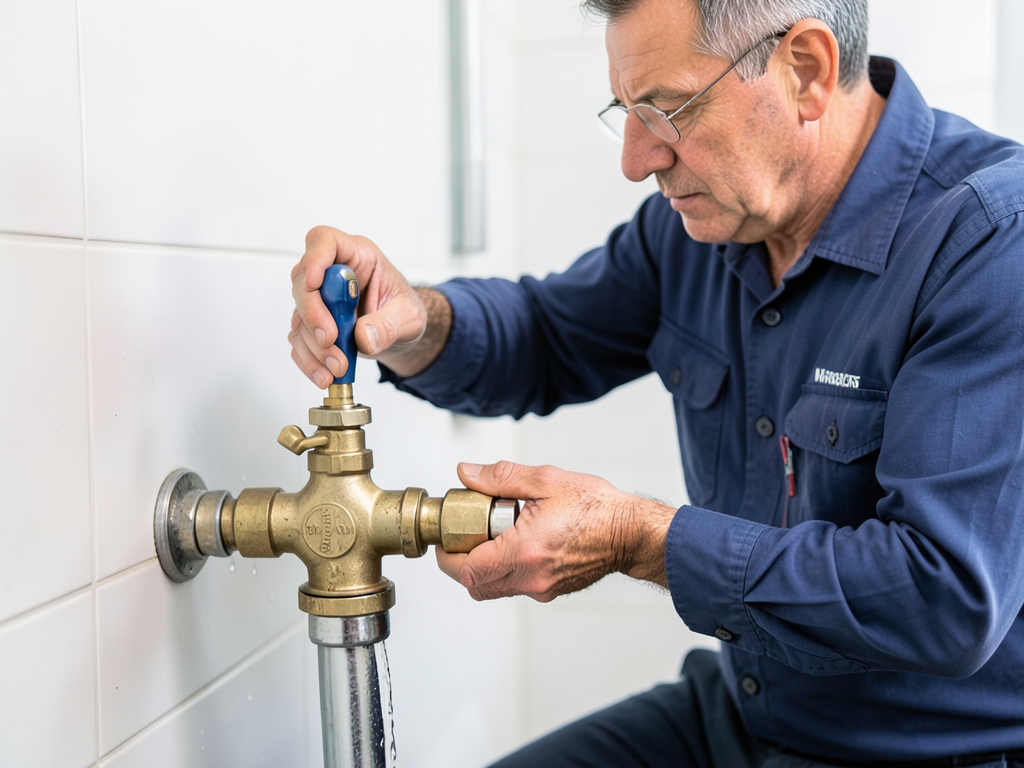
Photo showing a technician testing a main water shut-off valve in a Hartford basement, demonstrating proper technique and safety equipment.
Seasonal Considerations for Hartford Homeowners
Hartford’s climate creates seasonal plumbing challenges that affect valve performance and emergency preparedness. Plumbing Newington.
Winter Preparation: Before the first freeze, test your main valve and insulate exposed pipes in unheated areas. The Connecticut Department of Consumer Protection recommends testing valves in October before winter emergencies begin.
Spring Thaw Risks: Rapid spring thaws can cause ground shifting that stresses buried pipes and valves. Test your valve again in April when ground movement is highest.
Summer Vacation Precautions: Before leaving for extended summer vacations, test your valve and consider shutting off water entirely if you will be gone more than a week. A small leak can cause extensive damage if undetected for days.
Fall Leaf Season: Autumn leaf debris can clog outdoor drains and cause basement flooding. Ensure your sump pump works and test your valve before heavy rains begin.
Code Compliance: The Connecticut State Building Code Section 305.5 requires all residential water systems to have a functional main shut-off valve accessible to occupants. Failure to maintain this valve could violate local housing codes.
When to Call a Professional Plumber
While testing your valve is a simple DIY task, certain situations require professional intervention.
Stuck or Corroded Valves: If your valve does not turn easily or makes grinding noises, stop immediately and call a plumber. Forcing a stuck valve often causes it to break off, creating an instant emergency.
Leaking Valves: Any moisture around the valve stem or body indicates internal seal failure. A leaking valve cannot be trusted to close completely during an emergency.
Missing or Inaccessible Valves: If you cannot locate your main shut-off valve or it is buried behind walls or under floors, a plumber can help locate and make it accessible.
Upgrading to Ball Valves: If you have an old gate valve, upgrading to a modern ball valve provides more reliable operation. This typically takes 1-2 hours and costs $250-400.
Whole-House Valve Replacement: Severely corroded or damaged valves require complete replacement. This involves shutting off water at the street, which requires coordination with the water utility and typically costs $400-600.
Smart Valve Installation: Adding automatic shut-off capability to your main valve requires specialized knowledge of both plumbing and electronics. Professional installation ensures proper integration with your home’s water system.
Call (860) 743-9699 for professional valve testing and replacement services if you encounter any of these situations or want peace of mind about your home’s emergency readiness.
Cost Comparison: DIY vs Professional Service
Understanding the costs involved helps you make informed decisions about your valve maintenance.
| Service Type | DIY Cost | Professional Cost | Time Required |
|---|---|---|---|
| Basic Valve Test | $0 | $75-125 service call | 15-30 minutes |
| Valve Cleaning | $0-20 (vinegar, brush) | $150-250 | 1-2 hours |
| Ball Valve Replacement | $30-80 (parts only) | $250-400 | 1-2 hours |
| Valve Relocation | Not recommended | $400-600 | 3-4 hours |
| Smart Valve Installation | Not recommended | $500-800 | 2-3 hours |
Key Consideration: While DIY testing costs nothing, forcing a stuck valve can cause it to break, turning a $75 service call into a $400 emergency repair. Professional testing includes inspection for corrosion and proper operation verification.
Hartford Area Neighborhoods with Special Considerations
Certain Hartford neighborhoods face elevated risks due to housing age and plumbing infrastructure.. Read more about Reliable Commercial Plumbing Services for Downtown Hartford Businesses.
West End: Many West End homes were built between 1900-1930 with original lead service lines and gate valves. These valves often require replacement due to age and corrosion. The neighborhood’s mature tree canopy also creates root intrusion risks in sewer lines that can back up into homes during valve testing.
Asylum Hill: This historic district contains some of Hartford’s oldest housing stock, with many homes still using original 1890s plumbing. Valves here often have square-shaped handles rather than modern wheel designs, making them difficult to operate without proper tools.
South Green: Multi-family homes in South Green frequently have shared main valves that serve multiple units. Testing requires coordination with other tenants and often involves larger, commercial-grade valves that need professional handling.
Behind the Rocks: Homes in this area often have valves located in crawl spaces due to the neighborhood’s hilly terrain. These hard-to-reach valves are frequently neglected and may require professional inspection and possible relocation.
Blue Hills: Many Blue Hills homes were built in the 1950s-1960s with galvanized steel pipes that corrode internally. These homes often have valves that appear functional but cannot fully close due to internal pipe corrosion.
Before and after photo showing a corroded gate valve replacement with a modern ball valve in a Hartford basement, highlighting the improvement in accessibility and reliability.
Frequently Asked Questions
How often should I test my main water shut-off valve?
Test your main water shut-off valve twice yearly, in spring and fall. This aligns with Hartford’s seasonal weather changes and helps identify issues before winter freeze-thaw cycles create emergency conditions.
What if my valve is stuck and I have a plumbing emergency?
If your valve is stuck during an emergency, immediately call (860) 743-9699 for emergency service. While waiting, try to isolate the leak by shutting off individual fixture valves or the water heater valve if the leak is localized.
Can I replace my own main water shut-off valve?
Main valve replacement requires shutting off water at the street, which must be coordinated with the Metropolitan District. This work also requires permits and must meet Connecticut plumbing codes. Professional installation ensures proper function and code compliance.
How much water damage can occur if my valve fails?
A 1/8-inch hole in a pressurized pipe can release over 2,000 gallons per day. In just one hour, that equals 83 gallons – enough to fill a standard bathtub twice. During overnight hours, catastrophic damage can occur before anyone notices.
Are smart water shut-off valves worth the investment?
Smart valves that automatically shut off during unusual water flow can prevent thousands in damage from burst pipes or appliance failures. For Hartford homes with aging plumbing or when homeowners travel frequently, the $500-800 investment often pays for itself with one prevented incident.
Take Action Before Your Emergency Happens
Testing your main water shut-off valve takes less than 15 minutes but provides invaluable protection for your Hartford home. The peace of mind knowing your valve works properly during an emergency is worth far more than the minimal time investment.
Many Hartford homeowners discover their valve problems only after experiencing water damage that costs thousands to repair. By then, the damage is done and the emergency response time could have been cut in half with a properly functioning valve.
Take these simple steps today:
- Locate your main water shut-off valve immediately
- Test the valve using the step-by-step process above
- Check for any signs of corrosion, leaks, or difficulty operating
- Call (860) 743-9699 if you encounter any problems or want professional verification
Remember that Hartford’s historic homes and Connecticut’s extreme weather create unique plumbing challenges. What works in newer homes or milder climates may fail in your Hartford property without proper maintenance and testing.
Don’t wait for an emergency to discover your valve doesn’t work. Call (860) 743-9699 today to schedule your valve inspection and ensure your home is protected against water damage.
Your home’s water damage prevention starts with a simple valve test. Make that test part of your regular home maintenance routine, and you will be prepared when plumbing emergencies strike.
{
“@context”: “https://schema.org”,
“@type”: “BlogPosting”,
“headline”: “Testing Your Main Water Shut-off Valve Before a Hartford Emergency Happens”,
“description”: “Learn how to test your main water shut-off valve in Hartford homes before emergencies strike. Prevent costly water damage with these simple maintenance steps.”,
“wordCount”: 2648,
“datePublished”: “2026-03-26T13:23:00.000Z”,
“dateModified”: “2026-03-26T13:23:00.000Z”,
“inLanguage”: “en-US”,
“mainEntityOfPage”: {
“@type”: “WebPage”,
“@id”: “https://fivestarplumbinghartford.com”
},
“publisher”: {
“@type”: “LocalBusiness”,
“name”: “Five Star Plumbing Hartford”,
“url”: “https://fivestarplumbinghartford.com”
},
“author”: {
“@type”: “Organization”,
“name”: “Five Star Plumbing Hartford”,
“url”: “https://fivestarplumbinghartford.com”
},
“image”: {
“@type”: “ImageObject”,
“url”: “https://fivestarplumbinghartford.com/wp-content/uploads/2026/03/testing-your-main-water-shut-off-valve-before-a-ha-1.png”
}
}
{
“@context”: “https://schema.org”,
“@type”: “Plumber”,
“name”: “Five Star Plumbing Hartford”,
“url”: “https://fivestarplumbinghartford.com”,
“address”: {
“@type”: “PostalAddress”,
“addressLocality”: “Hartford”
},
“areaServed”: {
“@type”: “City”,
“name”: “Hartford”
}
}
{
“@context”: “https://schema.org”,
“@type”: “FAQPage”,
“mainEntity”: [
{
“@type”: “Question”,
“name”: “How often should I test my main water shut-off valve?”,
“acceptedAnswer”: {
“@type”: “Answer”,
“text”: “Test your main water shut-off valve twice yearly, in spring and fall. This aligns with Hartford’s seasonal weather changes and helps identify issues before winter freeze-thaw cycles create emergency conditions.”
}
},
{
“@type”: “Question”,
“name”: “What if my valve is stuck and I have a plumbing emergency?”,
“acceptedAnswer”: {
“@type”: “Answer”,
“text”: “If your valve is stuck during an emergency, immediately call (860) 743-9699 for emergency service. While waiting, try to isolate the leak by shutting off individual fixture valves or the water heater valve if the leak is localized.”
}
},
{
“@type”: “Question”,
“name”: “Can I replace my own main water shut-off valve?”,
“acceptedAnswer”: {
“@type”: “Answer”,
“text”: “Main valve replacement requires shutting off water at the street, which must be coordinated with the Metropolitan District. This work also requires permits and must meet Connecticut plumbing codes. Professional installation ensures proper function and code compliance.”
}
},
{
“@type”: “Question”,
“name”: “Are smart water shut-off valves worth the investment?”,
“acceptedAnswer”: {
“@type”: “Answer”,
“text”: “Smart valves that automatically shut off during unusual water flow can prevent thousands in damage from burst pipes or appliance failures. For Hartford homes with aging plumbing or when homeowners travel frequently, the $500-800 investment often pays for itself with one prevented incident.”
}
}
]
}
{
“@context”: “https://schema.org”,
“@type”: “HowTo”,
“name”: “How to Test Your Main Water Shut-off Valve”,
“step”: [
{
“@type”: “HowToStep”,
“position”: 1,
“name”: “Prepare Your Testing Area”,
“text”: “Locate your main shut-off valve and ensure the area is clear. Have a flashlight ready if the valve is in a dark basement or crawl space. Test during daylight hours when you can quickly get help if needed.”
},
{
“@type”: “HowToStep”,
“position”: 2,
“name”: “Check the Valve Type”,
“text”: “Identify whether you have a gate valve (round wheel handle) or ball valve (straight lever). Gate valves turn clockwise to close, while ball valves turn 90 degrees perpendicular to the pipe to shut off water.”
},
{
“@type”: “HowToStep”,
“position”: 3,
“name”: “Turn Off All Faucets”,
“text”: “Before testing, turn off all water-using appliances and faucets in your home. This prevents water hammer and makes it easier to hear if water is still flowing.”
},
{
“@type”: “HowToStep”,
“position”: 4,
“name”: “Close the Valve”,
“text”: “Turn the valve handle clockwise until it stops (gate valve) or rotate the lever 90 degrees (ball valve). If the valve is stuck or very difficult to turn, stop and call a plumber. Forcing a stuck valve can break it.”
},
{
“@type”: “HowToStep”,
“position”: 5,
“name”: “Check for Water Flow”,
“text”: “Go to a sink on the lowest level of your home and turn on the cold water. If the valve works properly, no water should flow. If water continues to trickle or flow steadily, your valve is not fully closing.”
},
{
“@type”: “HowToStep”,
“position”: 6,
“name”: “Open the Valve”,
“text”: “Turn the valve counterclockwise to reopen it (gate valve) or return the lever parallel to the pipe (ball valve). Water should resume flowing normally at the test faucet.”
},
{
“@type”: “HowToStep”,
“position”: 7,
“name”: “If water stopped completely when you closed the va”,
“text”: “If water stopped completely when you closed the valve and resumed when you reopened it, your valve works properly. If water continued flowing or the valve was stuck, you need professional repair or replacement.”
}
],
“image”: “https://fivestarplumbinghartford.com/wp-content/uploads/2026/03/testing-your-main-water-shut-off-valve-before-a-ha-1.png”
}
{
“@context”: “https://schema.org”,
“@type”: “BreadcrumbList”,
“itemListElement”: [
{
“@type”: “ListItem”,
“position”: 1,
“name”: “Home”,
“item”: “https://fivestarplumbinghartford.com”
},
{
“@type”: “ListItem”,
“position”: 2,
“name”: “Blog”,
“item”: “https://fivestarplumbinghartford.com/blog”
},
{
“@type”: “ListItem”,
“position”: 3,
“name”: “Testing Your Main Water Shut-off Valve Before a Hartford Emergency Happens”
}
]
}
{
“@context”: “https://schema.org”,
“@type”: “Service”,
“serviceType”: “Plumbing”,
“provider”: {
“@type”: “LocalBusiness”,
“name”: “Five Star Plumbing Hartford”,
“url”: “https://fivestarplumbinghartford.com”
},
“areaServed”: {
“@type”: “City”,
“name”: “Hartford”
},
“description”: “Learn how to test your main water shut-off valve in Hartford homes before emergencies strike. Prevent costly water damage with these simple maintenance steps.”
}