
menu

Water Heater Maintenance Tips in Hartford | Protect Your Investment from Connecticut's Hard Water and Freeze-Thaw Cycles

Learn the exact preventative water heater maintenance steps Hartford homeowners need to combat mineral buildup, temperature swings, and sediment damage that silently destroy tanks and drain wallets.

Slider Image 1
Slider Image 2
Slider Image 3
Slider Image 4
Slider Image 5
Slider Image 7
Slider Image 8
Slider Image 9
Slider Image 10
Slider Image 11

Why Hartford Water Heaters Fail Faster Than You Think

Hartford's municipal water supply carries moderate to high mineral content. Calcium and magnesium accumulate at the bottom of your tank. This sediment layer acts as insulation between the burner and the water. Your unit works harder to heat. Efficiency drops. Energy bills climb.

Connecticut's freeze-thaw cycles add another layer of stress. When temperatures swing from 15°F in January to 85°F in July, the expansion and contraction of metal components accelerate wear on the tank lining and anode rod. The protective barrier breaks down faster. Rust forms. Leaks follow.

Most Hartford homeowners ignore hot water heater upkeep until the tank fails. Cold showers are the warning sign you missed. A flooded basement is the consequence. A water heater care checklist prevents both.

Preventative water heater maintenance is not optional in Hartford. The local water chemistry and climate conditions create a perfect storm for premature failure. A tank designed to last 10 years might give you 6 or 7 without proper hot water tank maintenance. The sediment hardens into a concrete-like mass. The heating element burns out. The tank corrodes from the inside.

You need a water heater maintenance schedule that accounts for Hartford's specific conditions. Monthly visual checks. Annual flushing. Anode rod inspection every two years. These tasks extend lifespan and prevent emergency replacements in February when every plumber in the city is booked solid.

Why Hartford Water Heaters Fail Faster Than You Think
The Five Critical Maintenance Tasks Hartford Homeowners Skip

The Five Critical Maintenance Tasks Hartford Homeowners Skip

Most maintenance guides are generic. They ignore local factors. Here is what matters in Hartford.

First, drain and flush the tank annually. Hartford water deposits sediment faster than soft water regions. Open the drain valve at the bottom of the tank. Let three to five gallons flow into a bucket. Watch the color. If it runs brown or gritty, continue flushing until it runs clear. This removes the mineral layer that kills efficiency.

Second, test the temperature and pressure relief valve twice per year. This safety device prevents explosions. Lift the lever. Water should discharge through the overflow pipe. If nothing happens, the valve is stuck. Replace it immediately. A failed TPR valve is a disaster waiting to happen.

Third, inspect the anode rod every 24 months. This sacrificial metal rod attracts corrosive elements. It protects the steel tank lining. When the rod erodes to less than half an inch thick or the core wire is exposed, replace it. Skip this step and your tank rusts from the inside out.

Fourth, check the burner assembly on gas units. Dust and debris restrict airflow. The flame burns yellow instead of blue. Combustion becomes inefficient. Carbon monoxide risk increases. A vacuum and visual inspection take five minutes.

Fifth, adjust the thermostat seasonally. Set it to 120°F. Higher temperatures accelerate mineral buildup and waste energy. Lower temperatures risk bacterial growth. Hartford's water chemistry demands this precise setting.

These tasks are not difficult. They require basic tools and attention to detail. Skip them and you will replace your tank years early.

How to Build Your Hartford Water Heater Maintenance Routine

Water Heater Maintenance Tips in Hartford | Protect Your Investment from Connecticut's Hard Water and Freeze-Thaw Cycles
01

Monthly Visual Inspection

Check for water pooling around the base of the tank, rust stains on the exterior, or moisture on pipe connections. Listen for unusual sounds like popping or rumbling, which indicate sediment buildup. Verify the pilot light burns blue on gas units. Look for corrosion on the flue pipe. These signs catch problems before they become emergencies in Hartford's harsh seasonal conditions.
02

Annual Flushing Protocol

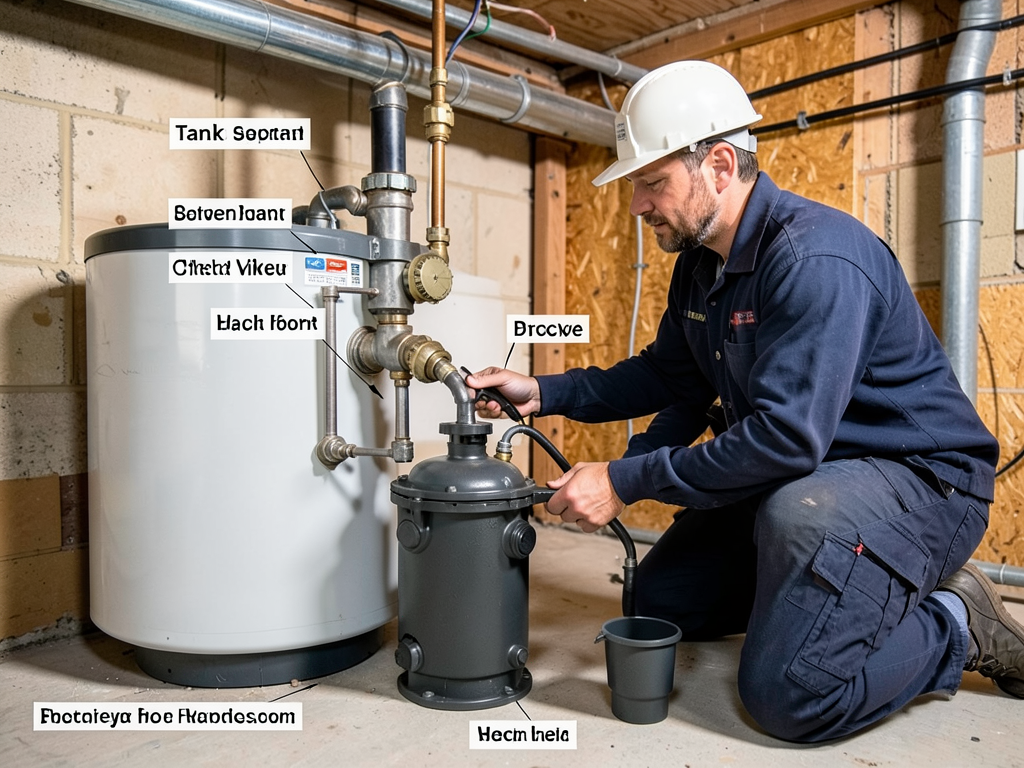
Turn off power or gas supply. Attach a garden hose to the drain valve. Open the valve and drain three to five gallons into a bucket. Hartford's mineral-heavy water creates thick sediment layers. Continue flushing until the water runs clear. Close the valve, remove the hose, restore power, and check for leaks. This single task extends tank life by years.
03

Biannual Safety Checks

Test the temperature and pressure relief valve by lifting the lever and confirming water discharge. Inspect the anode rod through the access port. Measure remaining thickness. Verify thermostat settings at 120°F. Document dates and findings. Hartford homeowners who follow this schedule avoid emergency replacements during winter cold snaps when hot water matters most and plumber availability is lowest.

Why Hartford Homeowners Trust Local Expertise for Water Heater Care

Generic advice fails in Hartford. You need expertise grounded in Connecticut building codes and local water conditions.

Five Star Plumbing Hartford understands the Capitol City's infrastructure. We know how Hartford's water treatment process affects mineral content by neighborhood. The South End sees different sediment patterns than West Hartford. Blue Hills residents deal with different pressure issues than those near Bushnell Park. This knowledge shapes our maintenance recommendations.

We see the consequences of skipped maintenance daily. Flooded basements in Victorian homes near Elizabeth Park. Failed units in multi-family buildings along Franklin Avenue. Emergency calls from businesses on Main Street when tanks rupture during cold snaps. Every failure follows the same pattern: neglected preventative care.

Hartford's housing stock includes century-old homes with outdated plumbing and new construction with modern systems. The maintenance approach differs. Older homes often have undersized units working overtime. Newer builds might have improperly installed expansion tanks. We account for these variables.

Connecticut requires licensed plumbers to pull permits for water heater installations. Many homeowners do not realize this. Unpermitted work creates liability issues and code violations. When you call Five Star Plumbing Hartford, you get compliant service that protects your investment and satisfies local building inspectors.

We also understand timing. Hartford winters are brutal. A failed water heater in January is not just inconvenient. It risks frozen pipes and property damage. Our maintenance schedules prevent winter failures. We recommend fall inspections to catch problems before heating season begins.

Local expertise means faster response and better outcomes. We stock parts for common Hartford water heater models. We know which brands hold up best in this climate. We maintain relationships with local suppliers for same-day parts access.

What to Expect from Professional Water Heater Maintenance

Service Timing and Availability

Professional maintenance appointments typically take 45 to 90 minutes depending on tank condition and access. Schedule annual service in September or October before Hartford's heating season begins. This timing catches problems before winter demand peaks. Most appointments are available within three to five business days during non-peak seasons. Emergency inspections for suspected issues receive same-day or next-day scheduling. Plan maintenance during daylight hours for optimal inspection conditions and avoid scheduling conflicts with evening hot water usage.

Comprehensive Inspection Process

A thorough water heater inspection includes temperature and pressure testing, anode rod assessment, sediment flushing, burner cleaning, vent inspection, and safety device verification. Technicians check for code compliance issues common in Hartford's older housing stock. They measure inlet and outlet water pressure, test electrical connections on electric units, and verify proper combustion air supply on gas models. You receive a written report documenting findings, remaining component life expectancy, and recommended actions. This documentation helps you budget for future replacements and proves due diligence for insurance claims.

Performance Improvements You Will Notice

Proper maintenance delivers immediate and long-term benefits. Water heats faster after sediment removal. Recovery time between showers improves. Energy consumption drops by 5 to 15 percent. Hot water temperature becomes more consistent throughout Hartford's cold winter months. Strange noises like rumbling or popping disappear. The unit runs quieter overall. You avoid emergency situations like basement flooding or mid-shower cold water shocks. Tank lifespan extends by three to five years on average. These improvements pay for maintenance costs multiple times over through avoided repairs and energy savings.

Ongoing Support and Documentation

Professional maintenance includes follow-up support. You receive a customized maintenance schedule based on your water heater age, type, and Hartford's water conditions. Technicians photograph components showing wear patterns for future reference. Many providers offer maintenance agreements with automatic annual scheduling and priority service. Keep all service records in a dedicated folder. This documentation increases home value during resale and helps future owners maintain the system properly. If issues arise between scheduled maintenance, you have an established relationship with a trusted provider who knows your system history.

Frequently Asked Questions

You Have Questions,
We Have Answers

What maintenance needs to be done on a water heater? +

Water heaters need regular flushing to remove sediment buildup from Hartford's hard water. Check the temperature and pressure relief valve annually by lifting the lever to ensure it releases water properly. Inspect the anode rod every three years to prevent tank corrosion. Test the thermostat settings to keep water between 120-140 degrees. Look for leaks around connections and the tank base. For gas units, inspect the burner flame for a steady blue color. Electric units need heating element checks. Hartford's mineral-rich water accelerates sediment accumulation, making annual flushing critical for efficiency and longevity.

What happens if you don't flush your water heater? +

Skipping water heater flushing causes sediment to harden at the tank bottom. This layer insulates water from the heating element, forcing your unit to work harder and increasing energy bills. The sediment creates hot spots that weaken the tank steel, leading to premature failure. You will hear popping or rumbling sounds as water tries to bubble through the mineral layer. Hartford's hard water contains high calcium and magnesium levels that settle quickly. Over time, sediment reduces tank capacity and clogs the drain valve, making future flushing nearly impossible. Corrosion accelerates, and you risk tank rupture or flooding.

How often should I flush a water heater? +

Flush your water heater annually in Hartford. The city's hard water contains high mineral content that settles faster than in other regions. If you have a large household or notice sediment in faucet aerators, flush every six months. Homes with well water may need quarterly flushing due to higher particulate levels. Set a calendar reminder each spring before summer demand increases. Annual flushing prevents sediment hardening, maintains efficiency, and extends tank life. Commercial properties or multi-unit buildings should flush more frequently based on usage volume. Consistent flushing is cheaper than premature replacement or emergency repairs from tank failure.

Can I do water heater maintenance myself? +

You can perform basic water heater maintenance yourself if you follow safety protocols. Turn off the power or gas supply before starting any work. Check the temperature and pressure relief valve, inspect for visible leaks, and test thermostat settings safely. However, flushing requires careful valve operation and proper drainage setup. Hartford homeowners should know that improper flushing can damage the drain valve or flood your basement. Anode rod replacement and gas burner inspection need technical knowledge and specific tools. If you are uncomfortable with any step, hire a licensed plumber. Annual professional inspections catch problems early and maintain warranty coverage.

Can I flush my hot water heater myself? +

You can flush your water heater yourself, but preparation matters. Turn off the power or gas and the cold water supply valve. Connect a garden hose to the drain valve and run it to a floor drain or outside. Open a hot water faucet upstairs to break the vacuum. Drain the tank completely, then briefly open the cold supply to stir remaining sediment. Hartford's hard water creates stubborn buildup that may clog the drain valve. If water stops flowing or drains slowly, call a plumber immediately. Forcing a stuck valve causes leaks. Annual professional flushing ensures complete sediment removal and valve integrity.

What is the average cost to flush a water heater? +

Water heater flushing costs vary based on tank condition and sediment buildup. Hartford homeowners typically see rates between service call fees and hourly labor charges. The price includes draining the tank, flushing sediment, inspecting valves, and checking the anode rod. If the drain valve is seized from years of neglect, replacement adds to the cost. Heavily neglected tanks may need multiple flushes or chemical treatments. Annual flushing prevents expensive complications, while waiting five or ten years increases difficulty and price. Factor in potential water damage costs if you skip maintenance and the tank fails. Preventive flushing is always cheaper than emergency replacement.

Should I flush a 20 year old water heater? +

Flushing a 20-year-old water heater is risky but sometimes necessary. At this age, Hartford's hard water has likely created significant sediment buildup and weakened the tank steel. The drain valve may be seized shut from mineral deposits. Attempting to flush could cause the valve to break or leak permanently. The anode rod is probably depleted, leaving the tank vulnerable to corrosion. If the unit still heats water without major issues, consider leaving it alone and planning replacement soon. Water heaters typically last 8-12 years in Hartford due to mineral content. At 20 years, invest in a new efficient model instead of risky maintenance.

How much does a plumber charge to flush it? +

Plumbers in Hartford charge based on service call minimums plus hourly rates for water heater flushing. A straightforward flush on a well-maintained tank takes 45 minutes to an hour. Neglected tanks with heavy sediment or stuck valves require more time and specialized tools. The price includes labor, valve inspection, and disposal of sediment-laden water. If the plumber discovers a faulty drain valve, leaking connections, or depleted anode rod, expect additional charges for parts and repair time. Emergency or after-hours service costs more. Annual maintenance contracts often include flushing at reduced rates. Regular flushing prevents expensive complications and keeps costs predictable.

Is flushing the same as draining? +

Flushing and draining are similar but not identical. Draining means opening the valve and emptying the tank completely, usually before repairs or replacement. Flushing adds a step where you briefly open the cold water supply valve while draining to stir up sediment and wash it out. This agitation removes more mineral buildup than simple draining. Hartford's hard water requires true flushing to break loose stubborn calcium and magnesium deposits. Draining alone leaves a sediment layer that continues damaging the tank. Proper flushing may take multiple cycles of filling and draining to remove all particulates. Always flush rather than just drain for maintenance purposes.

Do most people flush their water heaters? +

Most Hartford homeowners do not flush their water heaters regularly. National surveys show fewer than 20 percent of households perform annual flushing. Many people are unaware this maintenance exists until a plumber mentions it or the tank fails prematurely. The task seems intimidating or gets postponed indefinitely. This neglect is why water heaters rarely reach their expected lifespan in areas with hard water. Commercial properties and rental units are even less likely to maintain consistent flushing schedules. The minority who flush annually enjoy lower energy bills, fewer repairs, and longer tank life. Education and professional reminders increase compliance, but most tanks never get flushed until problems arise.

How Hartford's Water Chemistry Accelerates Tank Corrosion and Sediment Buildup

Hartford's municipal water contains dissolved minerals that deposit inside water heater tanks faster than in soft water regions. The Connecticut River watershed contributes calcium, magnesium, and iron to the local supply. These minerals precipitate out when water heats, forming a concrete-like sediment layer at the tank bottom. This insulating barrier forces the heating element or burner to work harder, burning more energy and shortening component life. Hartford homeowners who flush tanks annually remove this sediment before it hardens. Those who skip this step see efficiency drop 20 percent or more within three years.

Connecticut's building codes and Hartford's housing diversity demand local plumbing expertise. Pre-war homes in neighborhoods like Asylum Hill have galvanized supply lines that interact with modern water heater materials. Newer construction near Downtown follows updated codes requiring thermal expansion tanks and seismic strapping. Five Star Plumbing Hartford navigates these variables daily. We know which Hartford neighborhoods have higher mineral content, where water pressure runs high enough to stress tanks, and how seasonal temperature swings affect different water heater models. This knowledge prevents premature failures and ensures code-compliant service.
Plumbing Services in The Hartford Area

We are proud to serve the entire Hartford metropolitan area and surrounding communities. Use the interactive map below to view our main service radius, or contact us directly if you are just outside the highlighted zone—we often make exceptions for clients in need. We look forward to bringing our five-star plumbing service directly to your location.

Address:
Five Star Plumbing Hartford, 100 Pearl St, Hartford, CT, 06103

Additional Services We Offer

Our news updates

Latest Articles & News from The Blogs

Protecting Your Backyard Pool Plumbing During a Brutal Hartford Winter The first hard freeze in Hartford typically hits by mid-October,…

Protecting Your Backyard Pool Plumbing During a Brutal Hartford Winter

Protecting Your Backyard Pool Plumbing During a Brutal Hartford Winter The first hard freeze in Hartford typically hits by mid-October,…

Is Upgrading to a Dual-Flush Toilet Worth It for Your Hartford Home?

Is Upgrading to a Dual-Flush Toilet Worth It for Your Hartford Home? Dual-flush toilets offer two flushing options: a half…

Fixing a Sticky Kitchen Sink Sprayer Without Calling for a Full Repair

Fixing a Sticky Kitchen Sink Sprayer Without Calling for a Full Repair Your kitchen sink sprayer sticks, sprays erratically, or…

Contact Us

Do not wait for a cold shower or basement flood. Call Five Star Plumbing Hartford at (860) 743-9699 now to schedule your annual maintenance. Protect your investment, lower your energy bills, and avoid emergency replacements during Hartford's brutal winters.